Hunt Andes - News 918

HUNTING SEASONS IN ONTARIO, CANADA 2025–26: Big Game and Small Game, Licenses, and Regulations Guide

Plan your 2025–26 Ontario <strong>hunt</strong> with our province‑by

HUNTING SEASONS IN ONTARIO, CANADA 2025–26: Big Game and Small Game, Licenses, and Regulations Guide Plan your 2025–26 Ontario hunt with our province‑by‑province guide—season dates, bag limits, licenses, bow & rifle rules, and key game species: Whitetail Deer, Moose, Ducks and more. Ontario’s mix of temperate forests, Great Lakes shorelines and northern boreal zones provides premier hunting terrain. The province’s vast whitetail deer and moose populations, combined with world‑class waterfowl staging areas, attract hunters across 49 Wildlife Management Units (WMUs). Popular pursuits include archery and rifle deer seasons, moose draw tag hunts in the north, spring and fall duck excursions and black bear harvesting—under Ontario Ministry of Natural Resources and Forestry regulations and WMU‑specific rules. What Is There to Hunt in Ontario? Big Game: Whitetail deer, moose, black bear Small Game & Upland Birds: Ruffed grouse, spruce grouse, snowshoe hare, wild turkey Waterfowl & Migrato

Post: 30 July 14:08
HUNTING SEASONS IN MICHIGAN 2025: Deer Hunting, Big Game and Small Game, Licenses, and Regulations Guide

Plan your 2025–26 MI <strong>hunt</strong> with our comprehensiv

HUNTING SEASONS IN MICHIGAN 2025: Deer Hunting, Big Game and Small Game, Licenses, and Regulations Guide Plan your 2025–26 MI hunt with our comprehensive guide—season dates, bag limits, licenses, bow & rifle rules, and key game species from whitetail deer to turkey to waterfowl. Whether you’re glassing a rutting buck at dawn in northern forests, calling in spring gobblers across oak ridges, or setting decoys for migrating ducks in marsh impoundments, the Great Lakes State delivers diverse big game and small game experiences under clear state regulations. What Is There to Hunt in Michigan? Michigan’s varied habitats—upper-peninsula timberlands, central hardwoods, and southern agricultural flats—support: Big Game: Whitetail deer, black bear, wild turkey, elk (limited units, draw-only), moose (limited UP draw), moose (Zone 2), wolf (depredation hunts) Small Game & Upland Birds: Cottontail rabbit, snowshoe hare, ruffed grouse, pheasant, gray and fox squirrels Waterfowl & Migratory Bird

Post: 18 July 08:28

Hunting Seasons in Mississippi 2025–26: Big Game and Small Game, Licenses, and Regulations Guide

Plan your 2025–26 MS <strong>hunt</strong> with our state‑by‑state guide

Hunting Seasons in Mississippi 2025–26: Big Game and Small Game, Licenses, and Regulations Guide Plan your 2025–26 MS hunt with our state‑by‑state guide—season dates, bag limits, licenses, bow & rifle rules, and key game species from whitetail deer to wild turkey to ducks. Whether you’re slipping a compound bow arrow through pine savannah for a trophy buck, calling spring turkey in creek bottom hardwoods, or running decoys for mallards on flooded rice fields, Mississippi’s river bottoms, uplands, and coastal marshes offer premier big game and small game opportunities under clear regulations. What Is There to Hunt in Mississippi? Mississippi’s varied habitat supports: Big Game: Whitetail deer, wild turkey, black bear (draw hunts), feral hogs (no closed season) Small Game & Upland Birds: Cottontail rabbit, gray squirrel, bobwhite quail, mourning dove Waterfowl & Migratory Birds: Ducks (mallard, teal, gadwall), geese, coots, rails Furbearers & Predators: Coyote, raccoon, opossum, bobca

Post: 17 July 13:21

Driven <strong>Hunt</strong> Season: Sighting in Your Gun and Preparing for the Active Season

The driven <strong>hunt</strong> season is the time when hunters prepare th

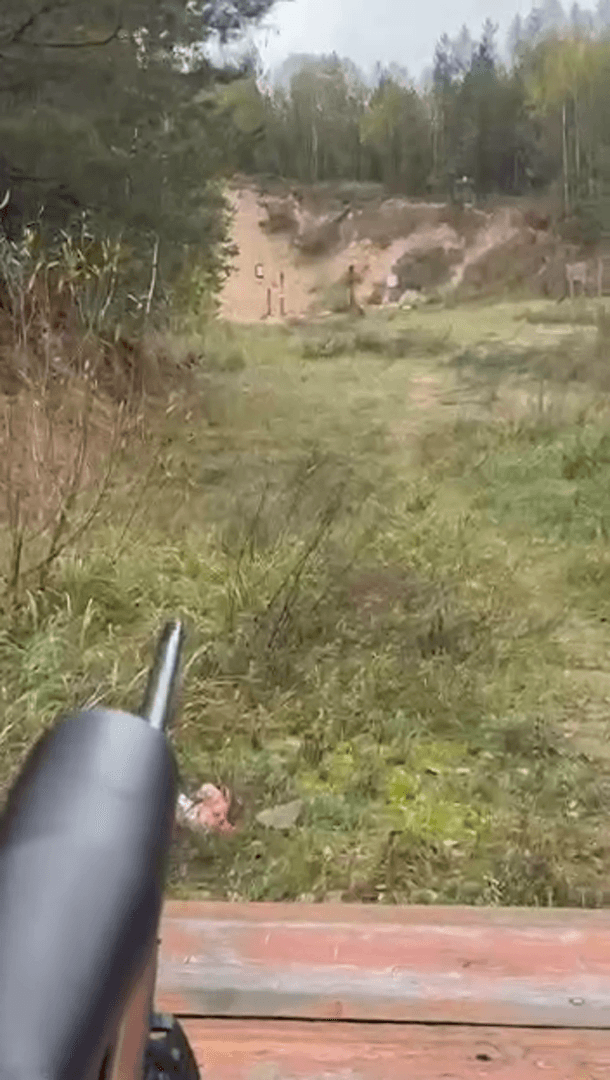
Driven Hunt Season: Sighting in Your Gun and Preparing for the Active Season The driven hunt season is the time when hunters prepare their guns and optics for a successful hunt. It is important to remember that an effective hunt begins with quality sighting in. In this article, we will tell you about the process of preparing guns and optics, which was demonstrated by our colleague Sergey Gribov from Belarus. Preparing Guns for the Driven Hunt Season Before the start of the driven hunt season, hunters should pay attention to preparing their guns. This includes checking the condition of the barrel, mechanism, and other important elements. Proper adjustment and maintenance of the gun is the key to a successful hunt. Sighting in a Gun: A Key Stage Sighting in a gun is a process that allows you to fine-tune the sight and ensure that all systems are working properly. This stage is especially important for hunting, as the accuracy of the shot can determine the success of the entire hunt. S

Post: 5 November 09:30

La Zona Austral de Chile es el último bastión para los cazadores aventureros: temporadas de caza, datos  poco conocidos y características de la caza en la región

Caracte

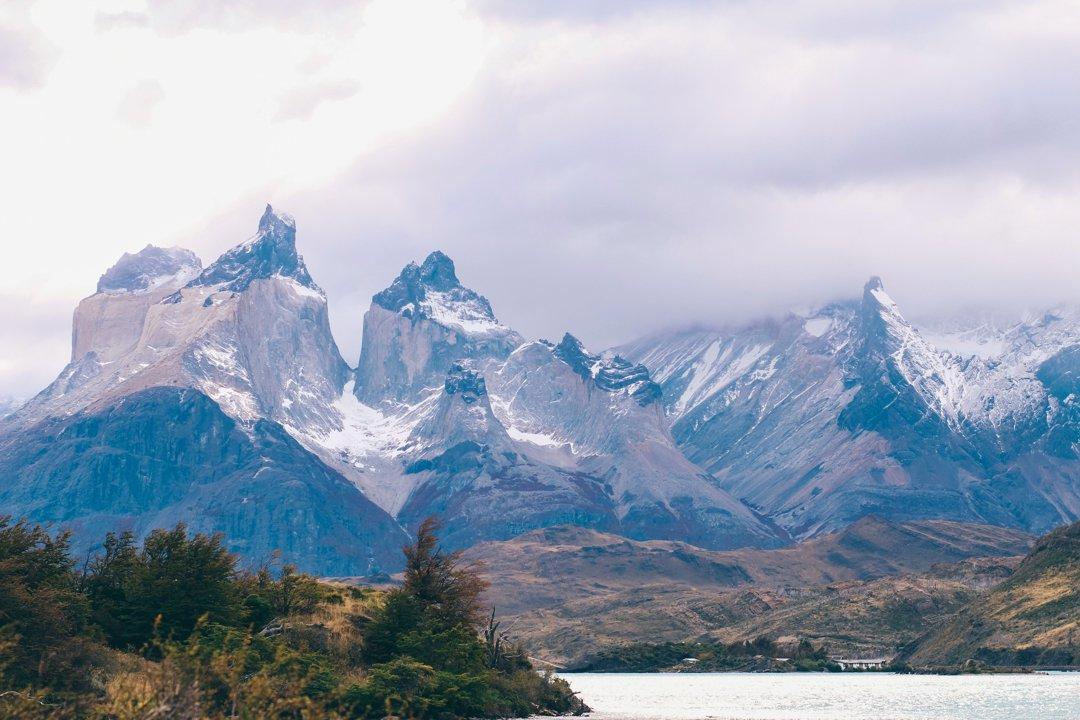
La Zona Austral de Chile es el último bastión para los cazadores aventureros: temporadas de caza, datos poco conocidos y características de la caza en la región Características geográficas y naturales de la región: espacios donde late el corazón de la caza La Zona Austral de Chile comprende las regiones de Los Lagos a Magallanes. Los Andes, con sus cumbres nevadas, glaciares y lagos, así como las estepas patagónicas y los bosques milenarios, dominan la zona. El clima oscila entre el templado marítimo del norte y el frío alpino del sur. Cazadores y demografía de la región La Zona Austral no publica el número exacto de cazadores, pero según el Ministerio de Agricultura chileno, hay unos 2.500 cazadores activos registrados en la región de Magallanes. La mayoría son lugareños mayores de 35 años que combinan la caza con oficios tradicionales. Peculiaridades y características de la caza en la región - Preparación para condiciones extremas : cambios bruscos de temperatura, fuertes viento

Post: 15 June 06:54

Caza en la Zona Central de Chile: Especies, Trofeos, Temporadas y Tradiciones Mapuches

Características geográficas y naturales: escenario salvaje de la caza 
La Zona Cen

Caza en la Zona Central de Chile: Especies, Trofeos, Temporadas y Tradiciones Mapuches Características geográficas y naturales: escenario salvaje de la caza La Zona Central de Chile se extiende desde el Océano Pacífico hasta la Cordillera de los Andes, formando zonas climáticas con marcada estacionalidad. Los inviernos húmedos y los veranos secos crean condiciones ideales para una gran variedad de flora y fauna. La topografía dificulta la caza, exigiendo a los cazadores resistencia y conocimiento del terreno. Demografía de los cazadores: cifras y tendencias No hay cifras exactas sobre el número de cazadores en la Zona Central, pero CONAF (Corporación Nacional Forestal) estima que hay alrededor de 50-70.000 cazadores con licencia en Chile. Más del 60% de ellos viven en la Zona Central debido a su proximidad a la capital, Santiago. Predominan los hombres de entre 30 y 60 años, aunque hay un interés creciente entre los jóvenes. Alrededor del 45% caza por deporte, el 35% por carne y el

Post: 12 June 06:39

Caza sostenible en la reserva Nacional Malalcahuello: geografía y naturaleza, protección y pasión, disposiciones legales

 Paisajes que afectan a la caza: geografía y nat

Caza sostenible en la reserva Nacional Malalcahuello: geografía y naturaleza, protección y pasión, disposiciones legales Paisajes que afectan a la caza: geografía y naturaleza, relieve que guarda secretos cinegéticos Situada en la cordillera de los Andes, la región es famosa por su variedad de caza, su estricta legislación y sus tradiciones ancestrales. La Reserva Malalcahuello ocupa una superficie de 236 km² en la región de la Araucanía, a los pies del volcán Llaima. El terreno montañoso con bosques de coníferas, ríos y lagos crea ecosistemas diversos. La altitud varía de 800 a 1500 metros sobre el nivel del mar, lo que forma un clima contrastado: los veranos son secos y cálidos y los inviernos nevados. Estas condiciones hacen que la caza sea difícil pero emocionante: hay que rastrear a la bestia en condiciones de diferencias de altitud y vegetación densa. Cazadores de la región: estadísticas y datos de interés No hay datos exactos sobre el número de cazadores de Malalcahuello, per

Post: 10 June 07:59

Coquimbo para Cazadores: Explora los Mejores Terrenos de Caza, Conoce la Legislación Local y Descubre la Fauna Silvestre Única del Norte Chico de Chile

Características g

Coquimbo para Cazadores: Explora los Mejores Terrenos de Caza, Conoce la Legislación Local y Descubre la Fauna Silvestre Única del Norte Chico de Chile Características geográficas y naturales de la región La región de Coquimbo está situada entre el desierto de Atacama y la parte central de Chile. Su territorio incluye la cordillera de los Andes (hasta 6000 metros), los fértiles valles de Elqui Valle y La Serena, y 400 kilómetros de costa. El clima es semidesértico: veranos secos y calurosos e inviernos suaves y húmedos. Para los cazadores, los parques nacionales y reservas como Fray Jorge y Pingüino de la Isla Magdalena son de vital importancia. En ellos habitan especies endémicas y el terreno exige una buena forma física y conocimiento de la zona. Demografía de los cazadores No hay cifras exactas sobre el número de cazadores en la región, pero el Ministerio de Agricultura chileno estima que hay alrededor de 150.000 cazadores registrados, de los cuales el 5-7% (7.500-10.500 personas)

Post: 6 June 14:13

Caza en la región de Valparaíso en Chile es una guía completa para los cazadores: clases de caza y especies destacadas, normativas de caza en la región

Génesis geográfic

Caza en la región de Valparaíso en Chile es una guía completa para los cazadores: clases de caza y especies destacadas, normativas de caza en la región Génesis geográfica y características naturales para la caza de Valparaíso La región de Valparaíso se extiende a lo largo de 160 kilómetros de costa y cubre una superficie de 13.922 km². Acantilados abruptos y playas arenosas que limitan la presencia de grandes herbívoros, aunque albergan aves marinas como gaviotas y albatros. Los Andes al oriente crean microclimas ideales para especies como el guanaco y la vizcacha. En sectores como la cordillera de la Costa, se encuentran bosques nativos con araucarias y arrayanes, hábitat de venados y jabalíes. Parques nacionales como La Campana y bosques de Tiltil ofrecen zonas reguladas para la caza sostenible. Datos relevantes y cartografía: clan de los que leen la naturaleza En la región de Valparaíso existen aproximadamente 5.200 licencias activas de caza , lo que representa el 8% del total na

Post: 5 June 14:05

Aventuras de caza en la región del Biobío: tradiciones y naturaleza, peculiaridades de la caza y datos de interés

Características geográficas y naturales de la región de

Aventuras de caza en la región del Biobío: tradiciones y naturaleza, peculiaridades de la caza y datos de interés Características geográficas y naturales de la región desde el punto de vista de la caza La región del Biobío está situada en el centro de Chile, entre los Andes y el Océano Pacífico, lo que crea ecosistemas únicos. Los bosques tropicales y subtropicales, especialmente en la parte occidental de la región, dan cobijo a la caza mayor. El clima es templado con una clara división en estaciones secas y lluviosas, lo que afecta a la actividad animal. Parques nacionales como el Parque Nacional Conguillío también ofrecen a los cazadores acceso a zonas controladas. Cazadores y demografía de la región Según los datos del Servicio Agrícola y Ganadero (SAG) correspondientes a 2022, en la región del Biobío hay registrados unos 12.500 cazadores con licencia, lo que representa alrededor del 15% del total de cazadores de Chile. Las comunidades locales, especialmente los residentes rurales

Post: 5 June 11:34

Guía Completa de Caza en Magallanes: Especies, Temporadas, Zonas Permitidas y Clubes de Cazadores

Topografía y naturaleza para la caza en Magallanes
Ubicada en el extrem

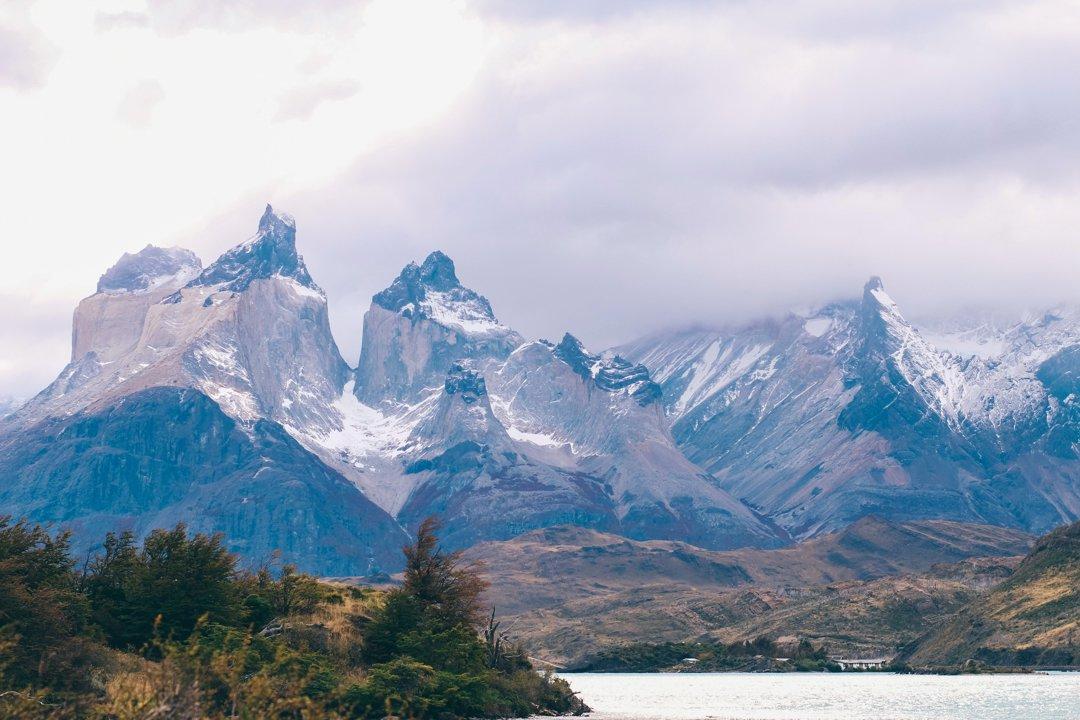
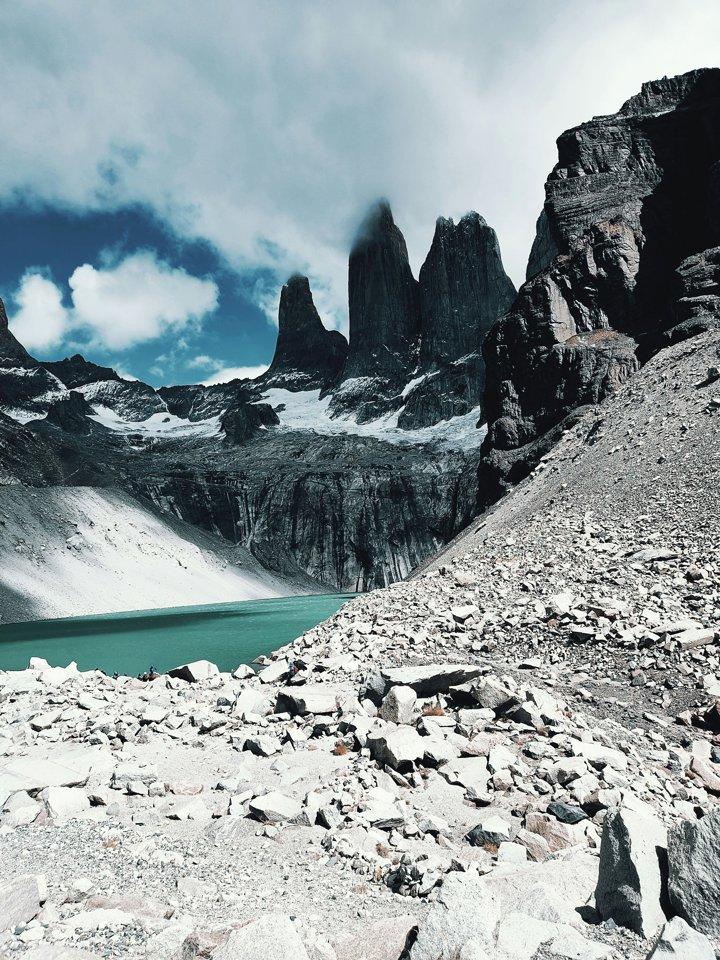
Guía Completa de Caza en Magallanes: Especies, Temporadas, Zonas Permitidas y Clubes de Cazadores Topografía y naturaleza para la caza en Magallanes Ubicada en el extremo sur de Chile, la región de Magallanes cubre 132 291 km² de un paisaje único: glaciares titánicos como el Perito Moreno , estepas patagónicas interminables, lagos glaciares como el Fagnano y el General Carrera , y la imponente Cordillera de los Andes como telón de fondo. Limitada por el Estrecho de Magallanes y el Océano Atlántico , esta zona incluye áreas protegidas como el Parque Nacional Torres del Paine y el Parque Nacional Bernardo O'Higgins , hogar de glaciares que avanzan hacia el mar. Solo el 10% del territorio está abierto a la caza , concentrado en zonas rurales y áreas no protegidas. Esta restricción extrema, regulada por permisos estrictos, protege especies vulnerables como el ciervo de las tierras altas y el pingüino de Magallanes , asegurando la integridad de un ecosistema frágil donde la naturaleza aún

Post: 30 May 14:16

Los mejores destinos para la caza, temporadas y tradiciones en la región de Los Lagos: un paraíso para los cazadores

Geografía y naturaleza para la caza en Los Lagos 
La

Los mejores destinos para la caza, temporadas y tradiciones en la región de Los Lagos: un paraíso para los cazadores Geografía y naturaleza para la caza en Los Lagos La región de Los Lagos, ubicada en el sur de Chile, es un área de 45 748 km² donde confluyen paisajes dramáticos: volcanes como el Osorno y el Calbuco, lagos glaciares como Llanquihue y Todos los Santos, y bosques de araucarias y robles andinos. Limitada por el Océano Pacífico al oeste y la Cordillera de los Andes al este, esta zona combina playas remotas, bosques húmedos y valles andinos. Parques como el Parque Nacional Vicente Pérez Rosales y el Parque Nacional Laguna San Rafael ofrecen refugios para especies únicas, aunque solo el 25% del territorio está abierto a la caza, con zonas reguladas cerca de áreas protegidas. Demografía regional y los cazadores: generación de los que escuchan la llamada Según la Federación de Caza de Chile, Los Lagos cuenta con 3 200 cazadores registrados, principalmente residentes que dep

Post: 30 May 11:19

Caza en Zona del Aconcagua: características geográficas, tipos y temporadas de caza, clubes de cazadores

Características geográficas y naturales de la región Zona del Ac

Caza en Zona del Aconcagua: características geográficas, tipos y temporadas de caza, clubes de cazadores Características geográficas y naturales de la región Zona del Aconcagua La Zona del Aconcagua se encuentra en la provincia de Mendoza, en la frontera con Chile. La región se caracteriza por una variedad de paisajes, desde picos montañosos cubiertos de nieve hasta valles fértiles y bosques densos. Esta diversidad crea condiciones ideales para el hábitat de muchas especies de animales, lo que hace que la región sea atractiva para los cazadores. El clima aquí es templado, con veranos cálidos e inviernos frescos. Debido a su Proximidad a los Andes, la región tiene muchos ríos y lagos que proporcionan agua y alimento a los animales. Esto contribuye a una alta población de caza, incluyendo guanacos, pumas, ciervos y diversas especies de aves. Aspectos demográficos de la comunidad de cazadores en Zona del Aconcagua La caza en la Zona del Aconcagua no es solo un deporte, sino tambi

Post: 27 May 12:24

Caza en Chubut: exploración de geografía, temporadas de caza, demografía de la región y cazadores, características de caza y datos interesantes

Características geográfic

Caza en Chubut: exploración de geografía, temporadas de caza, demografía de la región y cazadores, características de caza y datos interesantes Características geográficas y naturales de la región La región del Chubut, ubicada en el corazón de la Patagonia, Argentina, es una zona con un paisaje diverso que incluye montañas, estepas, bosques y la costa atlántica. En el oeste de la región se elevan los Andes, donde se encuentran densos bosques y lagos cristalinos. La parte Oriental del Chubut son las estepas áridas conocidas como el desierto Patagónico. Para los cazadores, esta región es de particular interés debido a su lejanía y escasamente poblada. Aquí se han conservado territorios intactos por el hombre, donde viven especies raras de animales. El clima en la región varía de templado en la costa a frío en las regiones montañosas, lo que hace que la caza en Chubut sea variada y emocionante. La demografía de la región y el papel de los cazadores Chubut es una de las regiones m

Post: 26 May 14:52

Caza en Santa Cruz (Patagonia sur): características geográficas, tipos y temporadas de caza, clubes de cazadores

Condiciones naturales de la región Santa Cruz

La región

Caza en Santa Cruz (Patagonia sur): características geográficas, tipos y temporadas de caza, clubes de cazadores Condiciones naturales de la región Santa Cruz La región de Santa Cruz, ubicada en el sur de la Patagonia en Argentina, es uno de los lugares de caza más emocionantes del mundo. Esta región es famosa por su naturaleza virgen, estepas infinitas, cadenas montañosas y un rico mundo animal. Al oeste, está bordeado por los Andes, dominados por densos bosques y lagos de montaña. La parte Oriental de la región son las interminables estepas (Pampas) y semidesérticos que se extienden hasta el océano Atlántico. El clima aquí es severo: inviernos fríos con fuertes vientos y veranos frescos. Para los cazadores, estas condiciones significan que la región ofrece caza de montaña y de tierras bajas. Las zonas montañosas son ideales para la caza de ciervos y pumas, mientras que las estepas son ideales para la caza de guanacos, liebres patagónicas y diversas especies de aves. Los cazado

Post: 26 May 12:11

Caza en Catamarca: características geográficas, tipos y temporadas de caza, clubes de cazadores

Factores geográficos en Catamarca

Catamarca es una región con un relieve

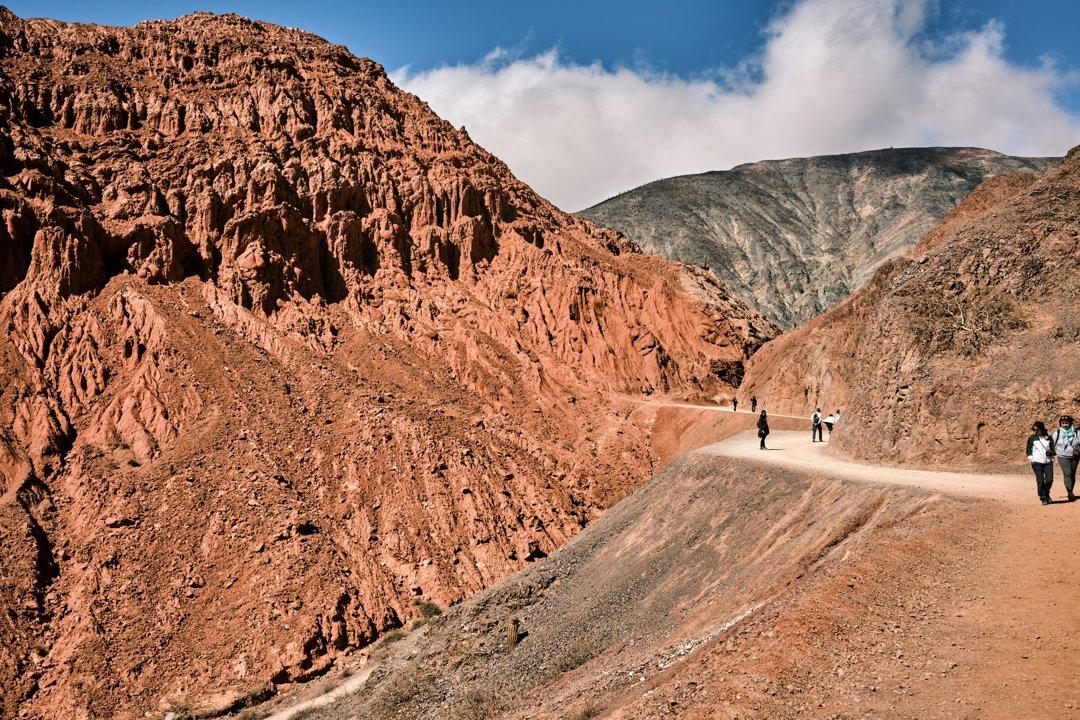
Caza en Catamarca: características geográficas, tipos y temporadas de caza, clubes de cazadores Factores geográficos en Catamarca Catamarca es una región con un relieve variado que incluye los Andes, las llanuras desérticas y los bosques subtropicales. Esta variedad lo hace atractivo para los cazadores, que pueden elegir un paisaje adecuado según sus preferencias. - Zonas montañosas: es el Hogar de especies como el guanaco, el venado andino y la cabra montés. - Llanuras y estepas: Ideales para la caza de caza menor como liebres, perdices y otras aves. - Bosques: en las zonas boscosas se pueden encontrar panaderos, jabalíes y diversas aves, incluidos loros y tucanes. El clima en la región varía de árido a templado, lo que afecta la estacionalidad de la caza y el comportamiento de los animales. Cazadores y demografía de la región Catamarca es una región con una rica tradición de caza. Según las organizaciones locales, hay alrededor de 5, 000 cazadores activos en la región

Post: 23 May 11:15

Caza en Tucumán: Selvas, Yungas y Biodiversidad Tropical para Amantes de la Caza Menor y Observación de Fauna Silvestre

La situación geográfica de Tucumán y sus ventajas

Caza en Tucumán: Selvas, Yungas y Biodiversidad Tropical para Amantes de la Caza Menor y Observación de Fauna Silvestre La situación geográfica de Tucumán y sus ventajas de caza Tucumán, conocido como el "Jardín de la República", se caracteriza por una variedad de paisajes. Aquí se pueden encontrar densos bosques subtropicales, cordilleras andinas, ríos y valles. Esta diversidad hace que la región sea un lugar ideal para la caza. - Bosques y montañas: en las estribaciones de los Andes se encuentran densos bosques que albergan especies como ciervos, jabalíes y diversas especies de aves. - Ríos y cuerpos de agua: los Humedales atraen aves acuáticas como patos y gansos. - Clima: el clima templado con veranos cálidos e inviernos suaves crea condiciones cómodas para la caza casi todo el año. Cazadores y demografía de la región Tucumán No hay datos precisos sobre el número de cazadores en Tucumán, pero la caza es una actividad popular entre los lugareños y turistas. Alrededo

Post: 15 May 13:29

Caza en la Patagonia Argentina: Fauna Silvestre, Estancias de Caza y Aventura en la Naturaleza Indómita del Sur del Continente
 
Características geográficas y naturales d

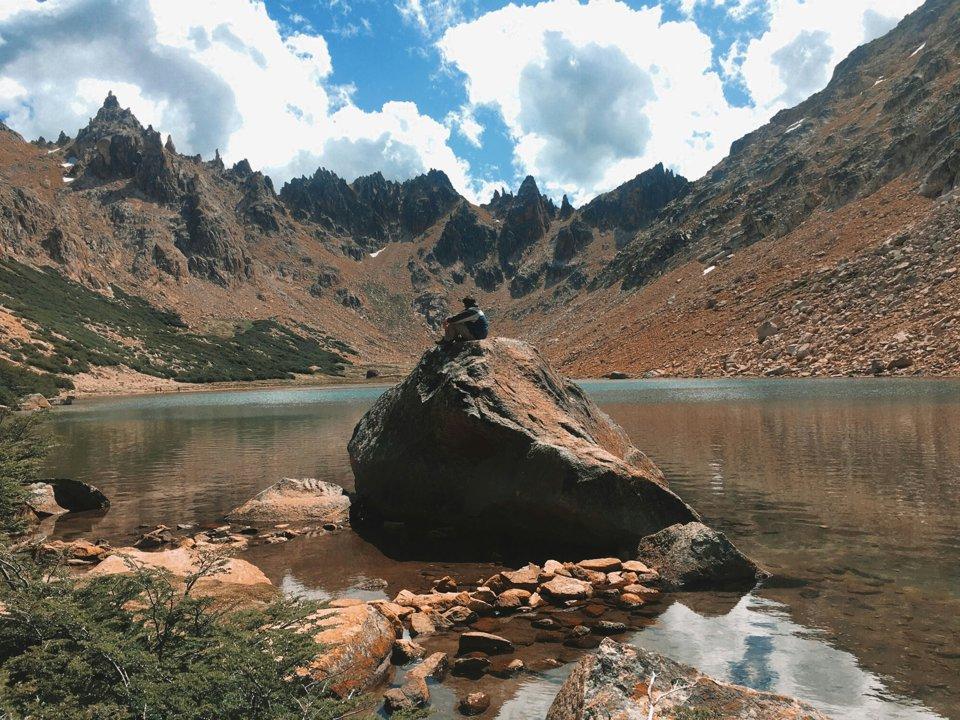
Caza en la Patagonia Argentina: Fauna Silvestre, Estancias de Caza y Aventura en la Naturaleza Indómita del Sur del Continente Características geográficas y naturales de la Patagonia 1. La Patagonia se caracteriza por su relieve variado, que incluye la Cordillera de los Andes al oeste, con bosques templados y lagos, y las áridas mesetas patagónicas al este. El clima es frío y ventoso, con inviernos rigurosos y veranos suaves. 2. La región alberga una gran diversidad de ecosistemas, desde bosques subantárticos hasta estepas semiáridas, lo que favorece la presencia de una fauna variada. 3. La Patagonia es hogar de especies emblemáticas como el ciervo colorado, el puma, el guanaco, el jabalí europeo (introducido) y diversas aves, como patos y perdices. La Patagonia es una región escasamente poblada, con una densidad demográfica muy baja. La población se concentra en ciudades como Bariloche, Neuquén, Comodoro Rivadavia y Ushuaia. Tipos de caza: - Caza mayor: el ciervo colorado, el

Post: 8 May 13:01

A new species of snake was named in honor of Harrison Ford. Ants and spiders have already been named after the artist.    

One of Harrison Ford's most famous roles is th

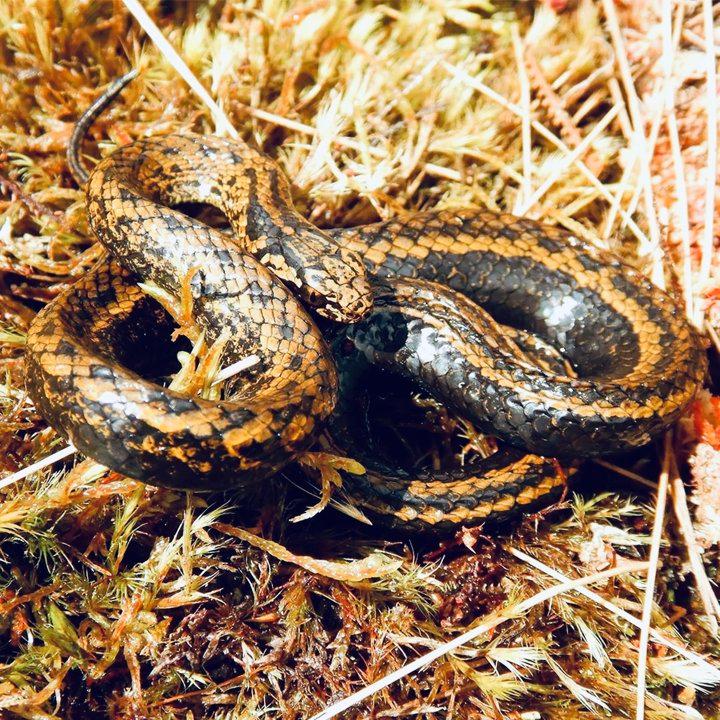
A new species of snake was named in honor of Harrison Ford. Ants and spiders have already been named after the artist. One of Harrison Ford's most famous roles is the archaeologist Indiana Jones in the famous franchise. The character is characterized by intelligence, dexterity and bravery. But at the same time, he is very afraid of snakes. Despite this, Harrison Ford's name was borrowed for a new species of snake found in the Peruvian Andes. Tachymenoides harrisonfordi does not pose a danger to humans. The length of the reptile is 16 feet (0.4 m). There are stripes on her body, and yellow, brown and copper shades are present in her color. Ants (Pheidole harrisonfordi) and spiders (Calponia harrisonfordi) were previously named after Ford. Harrison Ford is not the only celebrity after whom previously unknown organisms and substances have been named. "These scientists continue to give my name to animals that children are so afraid of. I just can't figure it out. In my free time,

Post: 21 August 21:15

HUNTING SEASONS IN FLORIDA 2025–26: Deer Hunting Big Game and Small Game, Licenses, and Regulations Guide

Plan your 2025–26 FL <strong>hunt</strong> with our state‑by‑st

HUNTING SEASONS IN FLORIDA 2025–26: Deer Hunting Big Game and Small Game, Licenses, and Regulations Guide Plan your 2025–26 FL hunt with our state‑by‑state guide—season dates, bag limits, licenses, bow & rifle rules, and key game species from whitetail deer to wild turkey to ducks. Whether you’re drawing a compound bow at first light in the Panhandle, slipping decoys for teal in Everglades marshes, or pursuing feral hogs year‑round on ranchland, Florida’s pine flatwoods, hardwood hammocks, and coastal wetlands offer premier big game and small game opportunities under clear regulations. What Is There to Hunt in Florida? Florida supports a variety of game: Big Game: Whitetail deer, wild turkey, black bear (quota hunts), feral hogs (no closed season) Small Game & Upland Birds: Cottontail rabbit, gray squirrel, bobwhite quail (WMAs), woodcock Waterfowl & Migratory Birds: Ducks (mallard, teal, mottled), geese (light & dark), coots, rails, snipe, mourning dove Furbearers & Predators: Coy

Post: 23 July 13:51

HUNTING SEASONS IN TENNESSEE 2025–26: Deer Hunting, Big Game and Small Game, Licenses, and Regulations Guide

Plan your 2025–26 TN <strong>hunt</strong> with our state‑by

HUNTING SEASONS IN TENNESSEE 2025–26: Deer Hunting, Big Game and Small Game, Licenses, and Regulations Guide Plan your 2025–26 TN hunt with our state‑by‑state guide—season dates, bag limits, licenses, bow & rifle rules, and key game species from white‑tailed deer to wild turkey to waterfowl. Whether you’re glassing a rutting buck at dawn in the Highland Rim, slipping decoys for mallards on the Mississippi River bottoms, or pursuing coyote year‑round on private land, Tennessee’s mountains, river valleys, and wetlands deliver premier big game and small game opportunities under clear regulations. What Is There to Hunt in Tennessee? Tennessee’s varied habitats support: Big Game: White‑tailed deer, wild turkey, black bear (draw hunts), invasive feral hogs (no closed season) Small Game & Upland Birds: Cottontail rabbit, gray squirrel, bobwhite quail, mourning dove Waterfowl & Migratory Birds: Ducks (mallard, teal, wood duck), Canada geese, coots, rails Furbearers & Predators: Coyote, fox

Post: 23 July 12:43

HUNTING SEASONS IN OKLAHOMA 2025–26: Deer Hunting, Big Game and Small Game, Licenses, and Regulations Guide

Plan your 2025–26 OK <strong>hunt</strong> with our state‑by‑

HUNTING SEASONS IN OKLAHOMA 2025–26: Deer Hunting, Big Game and Small Game, Licenses, and Regulations Guide Plan your 2025–26 OK hunt with our state‑by‑state guide—season dates, bag limits, licenses, bow & rifle rules, and key game species from whitetail deer to pronghorn to ducks. Whether you’re glassing a rutting buck on a cedar‑lined ridge, slipping decoys for teal over a flooded playa, or honing your predator‑control skills on coyote, the Sooner State’s prairies, woodlands, and wetlands deliver world‑class big game and small game hunts under clear regulations. What Is There to Hunt in Oklahoma? Oklahoma supports a broad array of species: Big Game: Whitetail deer, pronghorn antelope, elk, Rocky Mountain bighorn sheep, desert bighorn sheep, black bear, mountain lion Small Game & Upland Birds: Cottontail rabbit, swamp rabbit, fox & gray squirrels, bobwhite quail, scaled quail, ring‑necked pheasant (select WMAs), ruffed grouse, woodcock Waterfowl & Migratory Birds: Ducks (mallard,

Post: 22 July 09:54

HUNTING SEASONS IN NEW MEXICO 2025–26: Deer Hunting, Big Game and Small Game, Licenses, and Regulations Guide

Plan your 2025–26 NM <strong>hunt</strong> with our state‑b

HUNTING SEASONS IN NEW MEXICO 2025–26: Deer Hunting, Big Game and Small Game, Licenses, and Regulations Guide Plan your 2025–26 NM hunt with our state‑by‑state guide—season dates, bag limits, licenses, bow & rifle rules, and key game species from mule deer to elk to pronghorn and ducks. Whether you’re glassing a rutting buck at sunrise in high‑desert basins, slipping into pinyon‑juniper for a bull elk, or running decoys for teal over flooded bosque, New Mexico’s mountains, mesas, and wetlands deliver world‑class big game and small game hunts under clear regulations. What Is There to Hunt in New Mexico? New Mexico supports a diverse array of game: Big Game: Mule deer, elk, pronghorn antelope, Rocky Mountain bighorn sheep, desert bighorn sheep, black bear, mountain lion Upland & Small Game: Cottontail rabbit, jackrabbit, Gambel’s quail, scaled quail, Merriam’s turkey Waterfowl & Migratory Birds: Ducks (mallard, teal, pintail), Canada geese, coots, rails, mourning dove Predators & Fur

Post: 22 July 06:45

HUNTING SEASON IN NEVADA 2025–26: Deer Hunting, Big Game and Small Game, Licenses, and Regulations Guide

Plan your 2025–26 Nevada <strong>hunt</strong> with our state‑by

HUNTING SEASON IN NEVADA 2025–26: Deer Hunting, Big Game and Small Game, Licenses, and Regulations Guide Plan your 2025–26 Nevada hunt with our state‑by‑state guide—season dates, bag limits, licenses, bow & rifle rules, and key game species from mule deer and antelope to elk, turkey, waterfowl, and predators. Whether you’re glassing a desert buck at dawn, slipping through aspen groves for bull elk, or running decoys for ducks over flooded playa, Nevada’s sagebrush flats, pinyon‑juniper ridges, and wetland refuges deliver premier big game and small game hunts under clear regulations. What Is There to Hunt in Nevada? The Silver State supports a broad array of species: Big Game: Mule deer, pronghorn antelope, elk, bighorn sheep, mountain goat, moose (limited draw), black bear, mountain lion Upland & Small Game: Cottontail rabbit, jackrabbit, gray squirrel, Gambel’s quail, chukar, wild turkey Waterfowl & Migratory Birds: Ducks (mallard, teal, wigeon), geese, coots, rails, mourning dove

Post: 21 July 06:53

HUNTING SEASON IN MARYLAND 2025–26: Deer Hunting, Big Game and Small Game, Licenses, and Regulations Guide

Plan your 2025–26 MD <strong>hunt</strong> with our state‑by‑s

HUNTING SEASON IN MARYLAND 2025–26: Deer Hunting, Big Game and Small Game, Licenses, and Regulations Guide Plan your 2025–26 MD hunt with our state‑by‑state guide—season dates, bag limits, licenses, bow & rifle rules, and key game species from whitetail deer to wild turkey to ducks. Whether you’re drawing a compound bow in western oak ridges for a trophy buck, setting a rifle on the Eastern Shore for migrating geese, or tracking coyote year‑round on private land, Maryland’s mountains, piedmont, and tidal marshes deliver premier big game and small game opportunities under clear regulations. What Is There to Hunt in Maryland? Maryland’s varied landscapes support: Big Game: Whitetail deer, wild turkey, black bear (draw hunts), moose (rare permit), invasive feral hogs (no closed season) Small Game & Upland Birds: Cottontail rabbit, gray squirrel, bobwhite quail, ruffed grouse Waterfowl & Migratory Birds: Ducks (mallard, teal, wood duck), Canada geese, coots, rails, mourning dove Furbea

Post: 18 July 14:43

Hunting Seasons in Missouri 2025–26: Big Game and Small Game, Licenses, and Regulations Guide

Plan your 2025–26 MO <strong>hunt</strong> with our state‑by‑state guide—se

Hunting Seasons in Missouri 2025–26: Big Game and Small Game, Licenses, and Regulations Guide Plan your 2025–26 MO hunt with our state‑by‑state guide—season dates, bag limits, licenses, bow & rifle rules, and key game species from whitetail deer to wild turkey to ducks. Whether you’re archery hunting mature bucks in Ozark oak ridges, setting a shotgun for early teal in flooded timber, or trailing coyote in winter fields, Missouri’s forests, glades, and wetlands deliver premier big game and small game opportunities under clear regulations. What Is There to Hunt in Missouri? Missouri supports a diverse array of game: Big Game: Whitetail deer, wild turkey, black bear (limited draw), elk (Zone 1 reintroduction hunts), feral hogs (no closed season) Small Game & Upland Birds: Rabbit, gray squirrel, bobwhite and scaled quail, ruffed grouse Waterfowl & Migratory Birds: Ducks (mallard, teal, wood duck), geese, coots, rails, American woodcock Furbearers & Predators: Coyote, raccoon, opossum,

Post: 17 July 13:38

Hunting Seasons in Indiana 2025: Big Game and Small Game, Licenses, and Regulations Guide

Plan your 2025–26 IN <strong>hunt</strong> with our state‑by‑state guide—season

Hunting Seasons in Indiana 2025: Big Game and Small Game, Licenses, and Regulations Guide Plan your 2025–26 IN hunt with our state‑by‑state guide—season dates, bag limits, licenses, bow & rifle rules, and key game species from whitetail deer to wild turkey to ducks. Whether you’re drawing a compound bow in oak‑lined woodlots for mature bucks or setting a shotgun for early‑season teal over flooded timber, Indiana offers diverse seasons and clear regulations to ensure safe, ethical harvests. What Is There to Hunt in Indiana? Indiana’s landscape of hardwood forests, agricultural fields, and riverine wetlands supports a variety of game. Hunters can target whitetail deer across DMU zones, call in wild turkeys in spring’s blossoming forests, or pursue black bears under limited‑entry hunts. Small game like rabbits, squirrels, ring‑necked pheasants, and ruffed grouse thrive in coverts, while wetlands and lakes draw migrating ducks, geese, and rails for waterfowlers deploying decoys at dawn.

Post: 15 July 13:36

Hunting Seasons in Wyoming 2025: Big Game and Small Game, Licenses, and Regulations Guide

Plan your 2025–26 Wyoming <strong>hunt</strong> with our comprehensive guide—se

Hunting Seasons in Wyoming 2025: Big Game and Small Game, Licenses, and Regulations Guide Plan your 2025–26 Wyoming hunt with our comprehensive guide—season dates, bag limits, license info, tag draws, and key species from mule deer and elk to waterfowl and furbearers. Wyoming’s sprawling high plains, rugged mountain ranges, and river bottoms make it a premier destination for hunters chasing trophy mule deer, massive elk herds, and elusive bighorn sheep. Whether you’re glassing antelope on sage‑brush flats at dawn or slipping into timber for black bear, the Cowboy State delivers diverse seasons, clear bag limits, and robust license systems. Here’s your all‑in‑one guide to Wyoming’s 2025–26 hunting calendar, from archery openings through late‑winter waterfowl hunts. What Is There to Hunt in Wyoming? Wyoming supports an incredible lineup of game: Big Game: Mule deer, white‑tailed deer, elk, pronghorn antelope, moose, bighorn sheep, mountain goat, black bear, grizzly bear, bison, gray

Post: 12 July 12:57

Alabama Hunting Season 2025: Big Game and Small Game, Licenses, and Regulations Guide

Plan your 2025 AL hunting with our complete guide to big and small game seasons, in

Alabama Hunting Season 2025: Big Game and Small Game, Licenses, and Regulations Guide Plan your 2025 AL hunting with our complete guide to big and small game seasons, including whitetail deer, rabbits, ducks, alligator, and more. Learn about hunting licenses, bow and rifle rules, bag limits, and Iowa‐specific regulations. What Is There to Hunt in Alabama? From the sun‑bleached marshes along Mobile Bay to the rolling hardwood ridges inland, Alabama supports a wealth of species. You can stalk a wary whitetail deer beneath towering pines or whisper through the cane for a wild turkey at dawn. In the thick swamps, waterfowl—from teal to wood ducks—fill the skies, while open fields hold bobwhite quail and cottontail rabbits. Feral swine root through the underbrush year‑round, and trappers pursue raccoon, fox, and mink on private lands. Even alligator—the Old South’s trophy—can be taken under strict permit. What Animals Can You Hunt Year‑Round in Alabama? Not all Alabama hunts are dictat

Post: 11 July 15:17

Photo report on fox hunting in the Astrakhan steppe

Recent predator <strong>hunts</strong> in the Astrakhan steppe have given us many bright moments and impressive troph

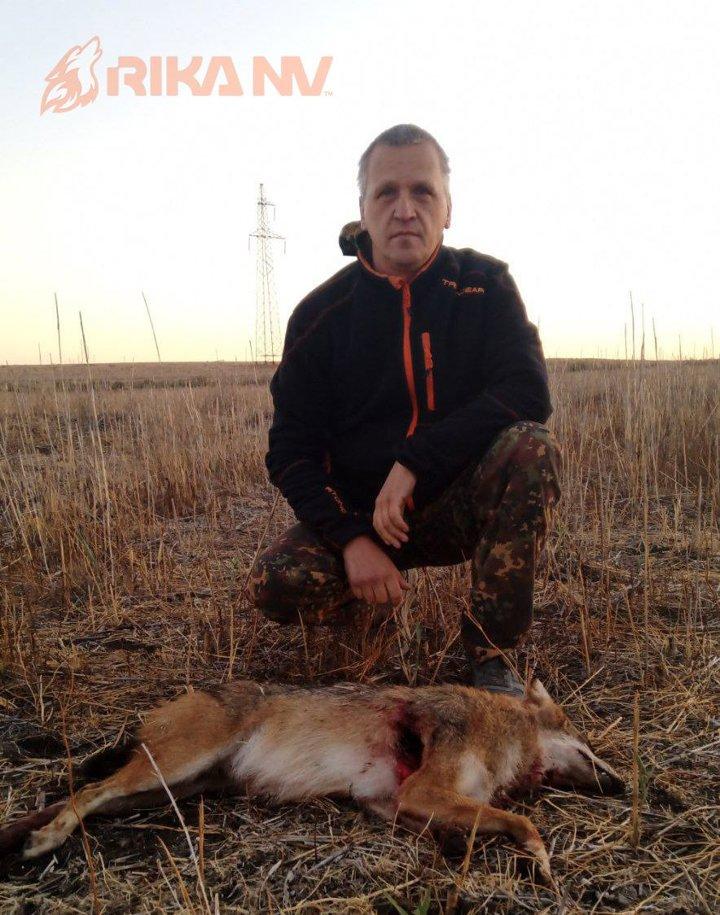
Photo report on fox hunting in the Astrakhan steppe Recent predator hunts in the Astrakhan steppe have given us many bright moments and impressive trophies. Dmitry Popov shares with us his photo report, where foxes and other predators became the main characters. In this report, you will learn about the best moments of the hunt, as well as about the high-quality optics that helped to achieve success. The Astrakhan steppe is famous for its diversity of wildlife and excellent conditions for fox hunting. Hunting these cunning predators requires not only skill, but also high-quality equipment. In this context, it is worth noting the use of the **RikaNV HRS LRF 640** device, which has become an indispensable assistant in finding and tracking foxes. Each hunt is a unique experience, and Dmitry Popov is no exception. His trophies are impressive not only for their size, but also for their beauty. Foxes caught on camera demonstrate all the charm and grace of these animals. Hunting for predato

Post: 25 November 09:36

EUROPEAN <strong>HUNT</strong>
The European <strong>Hunt</strong> is the perfect fit for those looking for a unique and challenging pheasant hunting experience. It also p

EUROPEAN HUNT The European Hunt is the perfect fit for those looking for a unique and challenging pheasant hunting experience. It also provides an alternative for those not able to field hunt. The course is set near the top of small hill in the midst of a pasture. The hunt is comprised of 16 shooters positioned at eight blinds. The blinds are ~60 yards apart and encircle a concealed tower from which pheasants are released. There are two shooters at each blind, safely separated by hay bales. Cub Creek Hunting guides and guide dogs are positioned behind the blinds, ready to retrieve each harvested bird. Large evergreens dominate the landscape, making each shot unpredictable and unique. Hunters rotate through each station twice, ensuring an abundance of shooting from all directions. A beverage break during the middle of the hunt allows hunters to trade stories and prepare for the final round. A hearty meal is served at noon prior to the hunt. Enjoy desserts and beverages afterwards whi

Post: 22 March 14:32

Travis “T-Bone” Turner — how the archery legend and star of Bone Collector lives and <strong>hunts</strong>

Travis Turner, widely known by his nickname T-Bone, is a lege

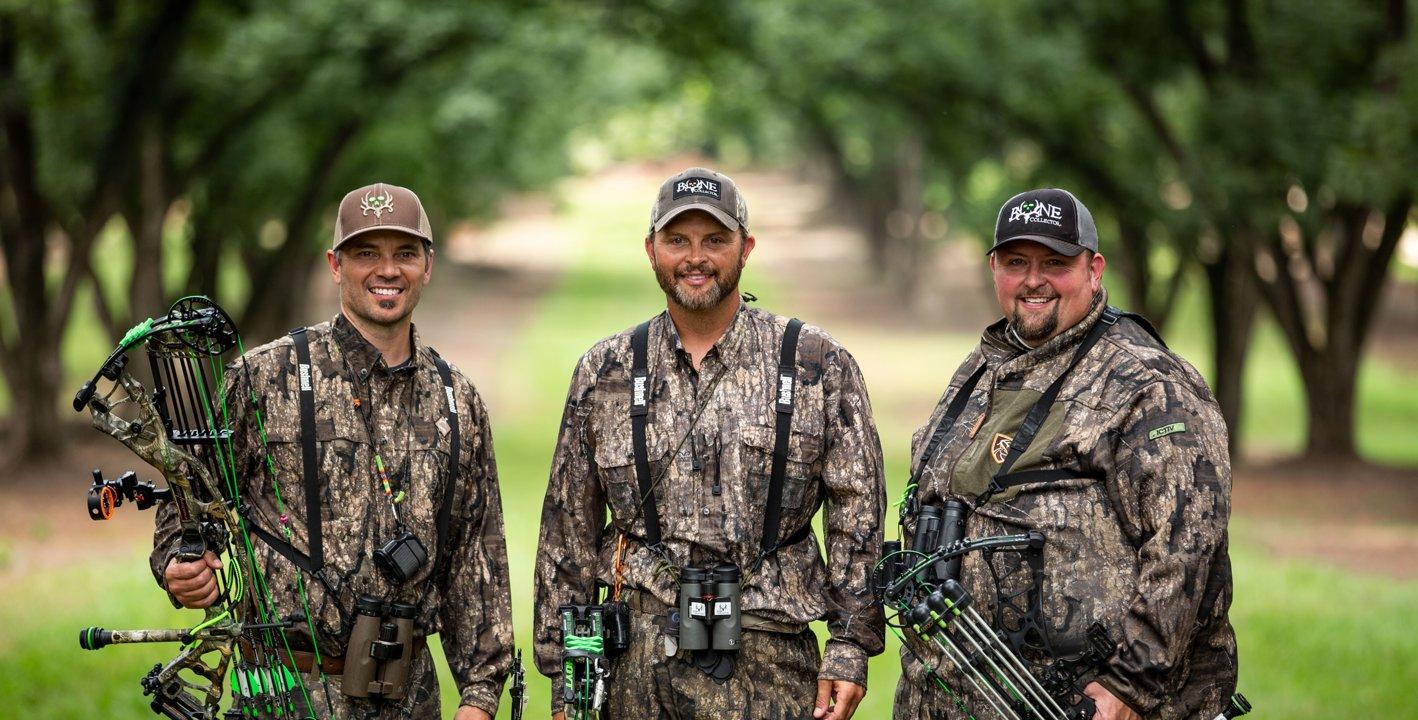
Travis “T-Bone” Turner — how the archery legend and star of Bone Collector lives and hunts Travis Turner, widely known by his nickname T-Bone, is a legend in the world of bow hunting and one of the most popular hunting bloggers in the United States. He is a professional archer with the title of ASA World Champion, a media personality, TV presenter, entrepreneur, and mentor to thousands of hunters around the world. Bow hunting is T-Bone's calling card Travis Turner became famous for his outstanding archery skills. His preference is bow hunting for white-tailed deer, where he uses subtle strategies and precise distance calculations. He prefers to hunt at a distance of 50–60 yards, using Hoyt bows, carefully assembled arrows (up to 500 grains), and specialized sights. His passion for archery makes him an expert in the intricacies of bow equipment setup. Where does T-Bone Turner hunt? Travis Turner's main hunting base is in Trup County, Georgia, where he owns a 27-acre plot of land. T

Post: 23 June 09:52

Lynx gracefull hunter

Lynx swims well and is not afraid of water like domestic cats. There is documentary evidence that one lynx swam 3.2 km across the Yukon River. Also

Lynx gracefull hunter Lynx swims well and is not afraid of water like domestic cats. There is documentary evidence that one lynx swam 3.2 km across the Yukon River. Also, the lynx is good at climbing and hiding in trees, escaping from opponents high in the trees. It is considered that lynxes hunt exclusively on the ground. But as you can see from this video, a mountain river is also a suitable place. Lynx (bobcat ) eats 0.6—1.2 kg per day. Mainly hunts the American white hair, which takes up tu 97% of it the total diet. The percentage depends on the season and the number of hares. When there are not enough hares, lynxes begin to hunt ducks, grouse, partridges, squirrels, voles thereby causing serious damage to some of these bird species. Young ungulates (for example, Dall sheep, black-tailed deer, northern forest caribou) can also be a prey. In summer and autumn, the lynx often adds small mammals to its diet, in addition to the hare. Before giving birth to offspring, the lynx prepar

Post: 28 January 00:57

PRIME ELK MANAGEMENT ZONE BULL ELK ARCHERY RUT <strong>HUNTS</strong> NOW AVAILABLE FOR 2024!!! FULLY GUIDED WITH HORSE PACKOUT AND TROPHY PREP SERVICE!!! UNIT 36 ALTO NE

PRIME ELK MANAGEMENT ZONE BULL ELK ARCHERY RUT HUNTS NOW AVAILABLE FOR 2024!!! FULLY GUIDED WITH HORSE PACKOUT AND TROPHY PREP SERVICE!!! UNIT 36 ALTO NEW MEXICO!!! GUARANTEED LANDOWNER TAGS!!! NO DRAW REQUIRED!!! ZERO TROPHY FEES!!! 100% SHOT OPPORTUNITY!!! NO ORANGE ARMY! NO DOUBLE BOOKING! You will be the only party on the ranch GUARANTEED! FREE TRANSPORTATION WHILE ON THE RANCH!!! Save your ⛽️! $10,000 plus tax compared to 14-20k for other local outfitters! Also I’ll give you a cougar tag for the price it costs from the state and if you see one while we’re hunting you can kill it for free! 3-5k for a cougar hunt with outfitters, with me, you can kill one for free! WE ALSO PROVIDE A SPOTTER that keeps in contact with me during the entirety of the hunt via 2 way radio that glasses the other areas of the property we aren’t able to see! You are not going to find that anywhere else. Period. PRIVATE RANCH bordering the famed LINCOLN NATIONAL FOREST and very near the MESCALERO APACHE RESE

Post: 19 October 17:56

The Mid-Gun-Season Blues: When Times Get Tough
Morning <strong>Hunts</strong>
I believe your chances are best during this period when you <strong>hunt</strong> a morning

The Mid-Gun-Season Blues: When Times Get Tough Morning Hunts I believe your chances are best during this period when you hunt a morning stand back in the timber. When the pressure is on, an old deer feels most comfortable cruising around or pushing a doe on a hardwood ridge or in a cedar draw or creek bottom. By that time, he should have gone completely nocturnal, but deep woods give him a false sense of security. A buck believes he’s hidden in the trees, but he’s not if you’re posted there. Set up early, and look for a good deer ghosting around at dawn. Then keep hanging tough. Each day into midseason, you’ll hear fewer gunshots and see fewer hunters stomping around the woods. Most of the die-hards who, like you, haven’t tagged out will hunt a couple of hours in morning and afternoon. At midday, things will settle down, and some deer will get up and move. You might still nail a good buck between 9 a.m. and noon.

Post: 14 December 18:45

Hunting With Dogs: Training & Safety Tips

Hunting with your dog is an exhilarating way to experience outdoor life with your furred friend. Dogs have been hunting with hu

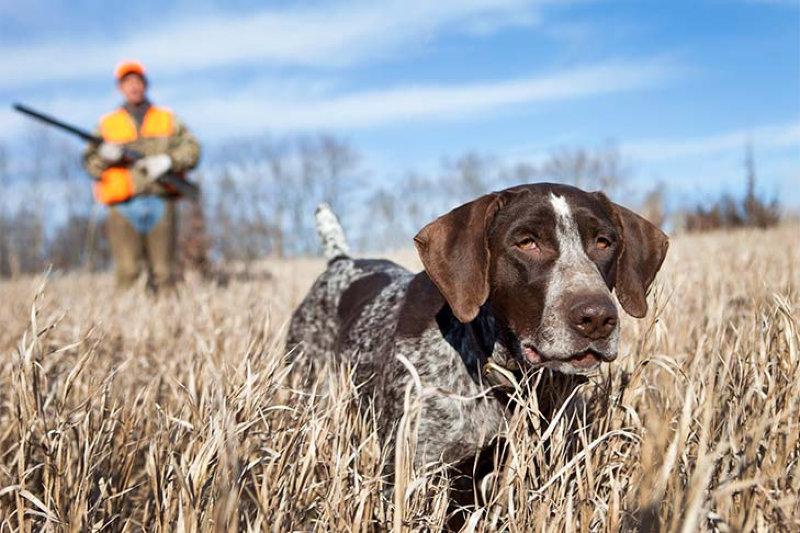
Hunting With Dogs: Training & Safety Tips Hunting with your dog is an exhilarating way to experience outdoor life with your furred friend. Dogs have been hunting with humans for millennia. Many hunting breeds were actually developed specifically to find, flush out, or retrieve game. But that doesn’t mean that your dog will automatically know what to do on a hunt. Before you head out in search of game with your canine companion, you’ll need to train your dog. Aside from helping you find and retrieve the quarry you’re after, dogs also must become used to loud sounds like gunshots. You’ll also need to bring along the proper hunting gear necessary to keep your dog safe and satisfied in the field. Get Your Dog Used To Gunshots Gunshots are loud and can spook your dog into running off in the middle of a hunt. That’s why gun training is so important. Cara Harper is an expert in the field who regularly hunts with her Labrador Retrievers, Nita and Rou. Harper and her husband trained their pu

Post: 24 November 17:47

The 3 Most Expensive <strong>Hunts</strong> in North America
If you’re saving up money for a once-in-a-lifetime dream adventure, why not shoot for the moon?
If you had al

The 3 Most Expensive Hunts in North America If you’re saving up money for a once-in-a-lifetime dream adventure, why not shoot for the moon? If you had all the money in the world, what would you buy first? Most of us think for a few moments before answering. Some might go for a sports car. Others might tour Europe. How about a beachfront mansion with an elevator, movie theatre, pool, and private chef? But others might spend the money on hunting. Where would you go and what would you hunt for if cost were no obstacle? African elephant? New Zealand red stag? Spanish Ibex? Or, would you stick to North America, where we have more than two dozen big-game hunting opportunities? Some are very affordable and DIY friendly, but others require hunting with a guide and could cost tens of thousands of dollars. Yes, you read that correctly. Since we’re dreaming here, let’s look at the details. Miranda's Take I’ve been fortunate enough to hunt several different species across 16 states, but none

Post: 1 September 11:05

Early Season Hunting Conditions

Depending on where you <strong>hunt</strong> and exactly when you’re in the field, early-season hunting can be brutal. For example, sitti

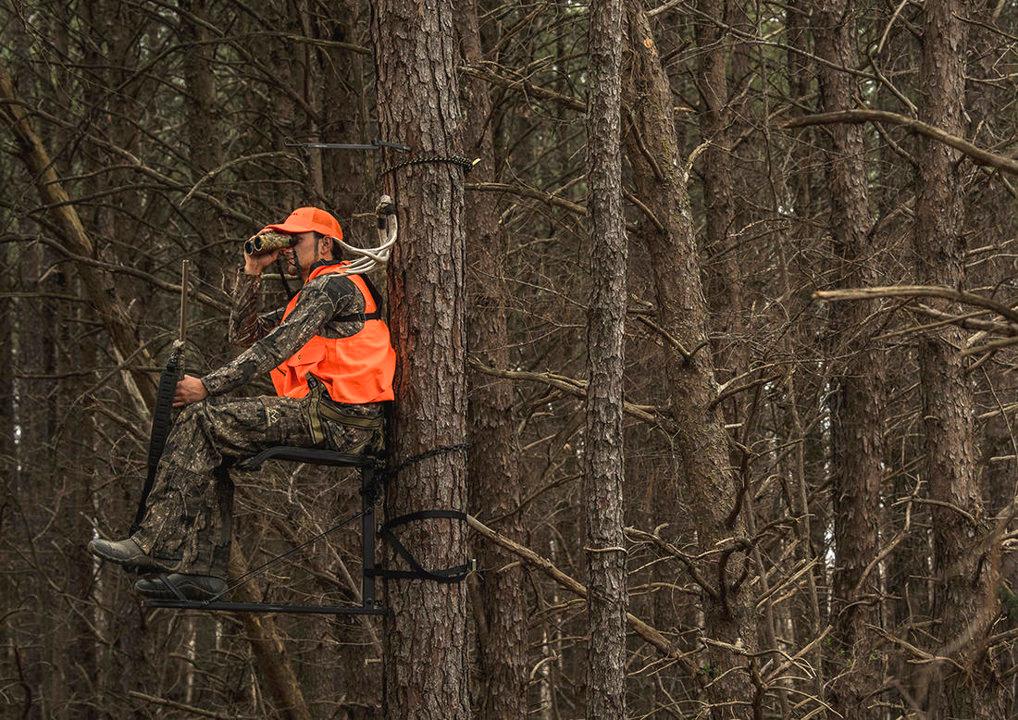
Early Season Hunting Conditions Depending on where you hunt and exactly when you’re in the field, early-season hunting can be brutal. For example, sitting in a ground blind near an antelope watering hole or putting the stalk on a Western muley can cause you to sweat like you were trying to earn a spot in the NFL combine. You’d think that sitting perched in a tree would offer some relief due to the wind, but that’s not always true either. Hot and humid conditions without any breeze can be just as tough 15 feet up. Traditional cotton shirts or blue jeans don’t work well in these situations because they don’t breathe well or wick your sweat away. As a result, your clothes just stay wet and eventually start to stink. Not ideal for hunting, especially if you’re on a multi-day trip out west. At the same time, some southern or western hunts may take you through some challenging terrain, where briars, thorns, and other vegetation tears at your hunting clothes. That means your lightweight hunt

Post: 30 June 16:09

Hardest Deer to <strong>Hunt</strong>
Every hunter loves to boast about their stories on how hard hunting their buck was. But are those really that difficult? Today we wi

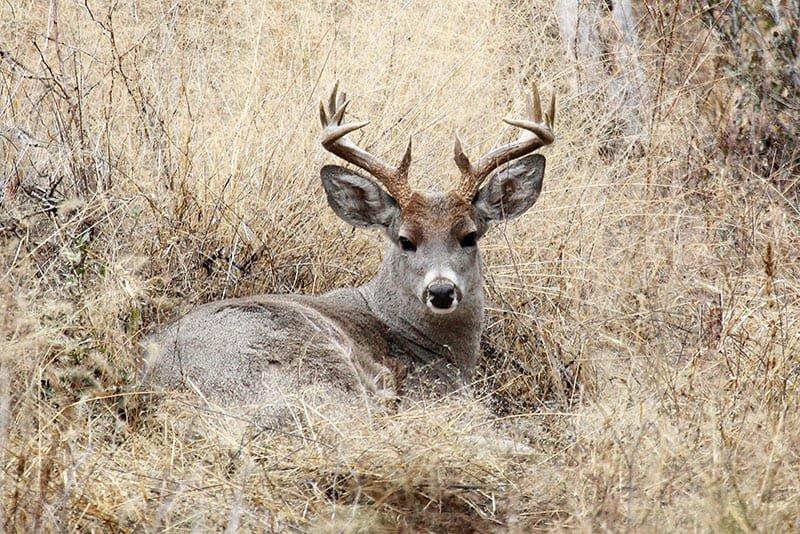
Hardest Deer to Hunt Every hunter loves to boast about their stories on how hard hunting their buck was. But are those really that difficult? Today we will be talking about the hardest deer to hunt out there in the wilderness. When it comes to hunting, it is not just about finding the animal. This journey involves a lot of other challenges like facing bitter mountain winds, climbing over boulders. Such hunts are enough for reducing even those with reasonable fitness to a broken-hearted, weak-kneed puddle if the hunter is not aware of the challenges that come when hunting the hardest animals. Coues Deer The big deal for hunting Coues deer is to pursue them in the rough region where they thrive. These slight gray whitetail bucks rarely grow more than 130 in of antler, however, they are adept at disappearing into the cover. They use cactus vegetation and a scant thorn in the desert to stay hidden. Another challenging part about hunting this deer is they don’t offer large targets and al

Post: 23 May 14:49

Related to request “Hunt Andes”

UH.app — social media network and application for hunters.

© 2025 Uhapp LLC. All rights reserved.