andes condor hunting - News 2485

Caza en la Cordillera de los <strong>Andes</strong>: Fauna, Temporadas, Tradiciones y Experiencias en Altura para Cazadores en Chile

Geografía y naturaleza: el paisaje p

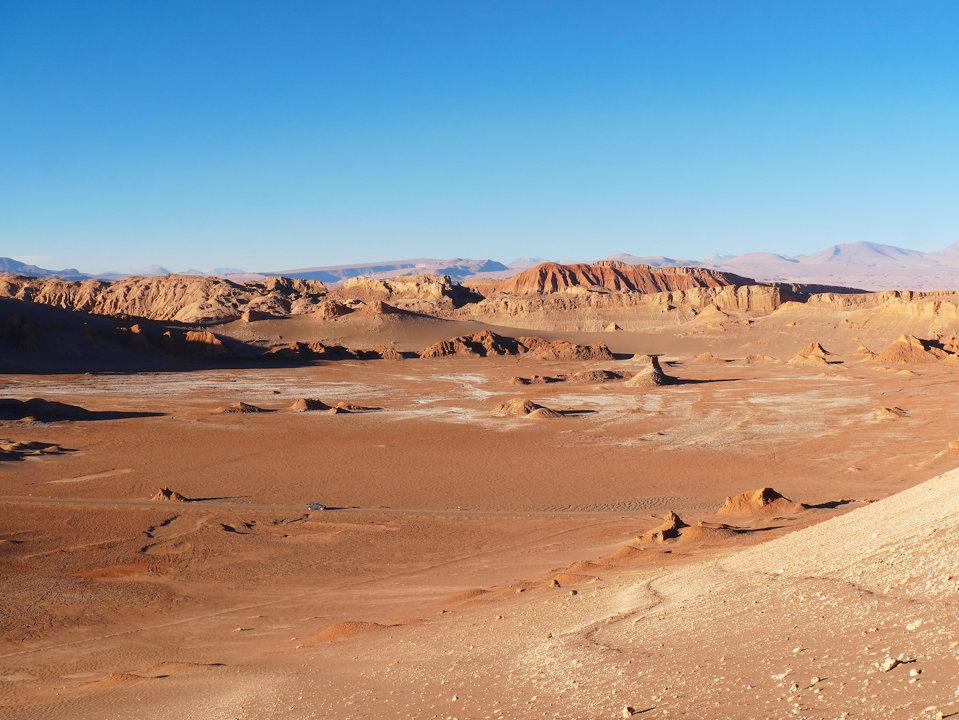
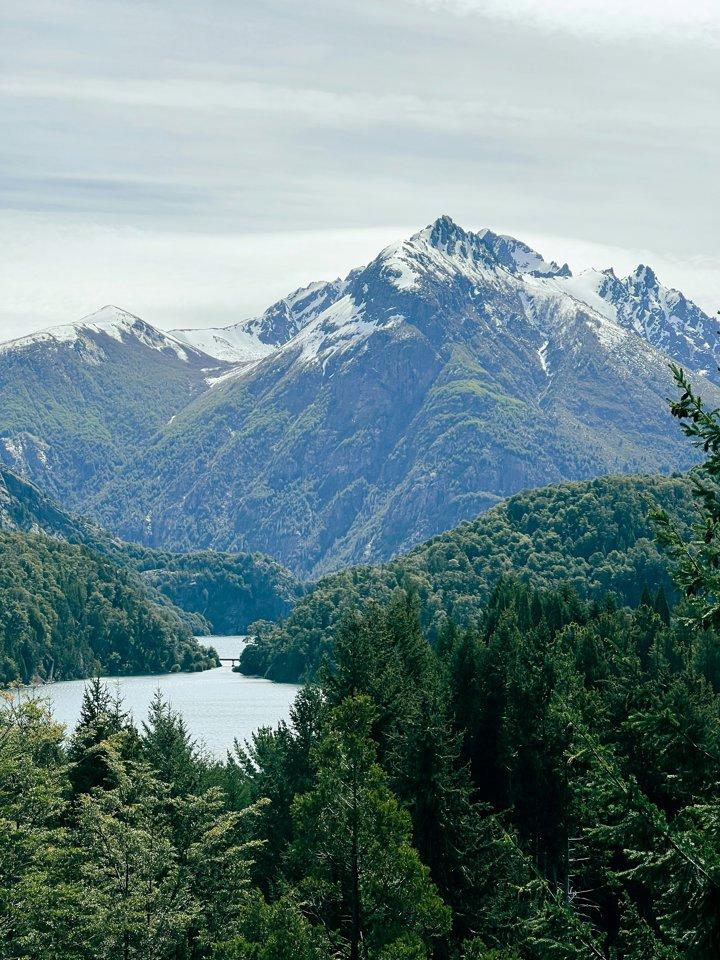
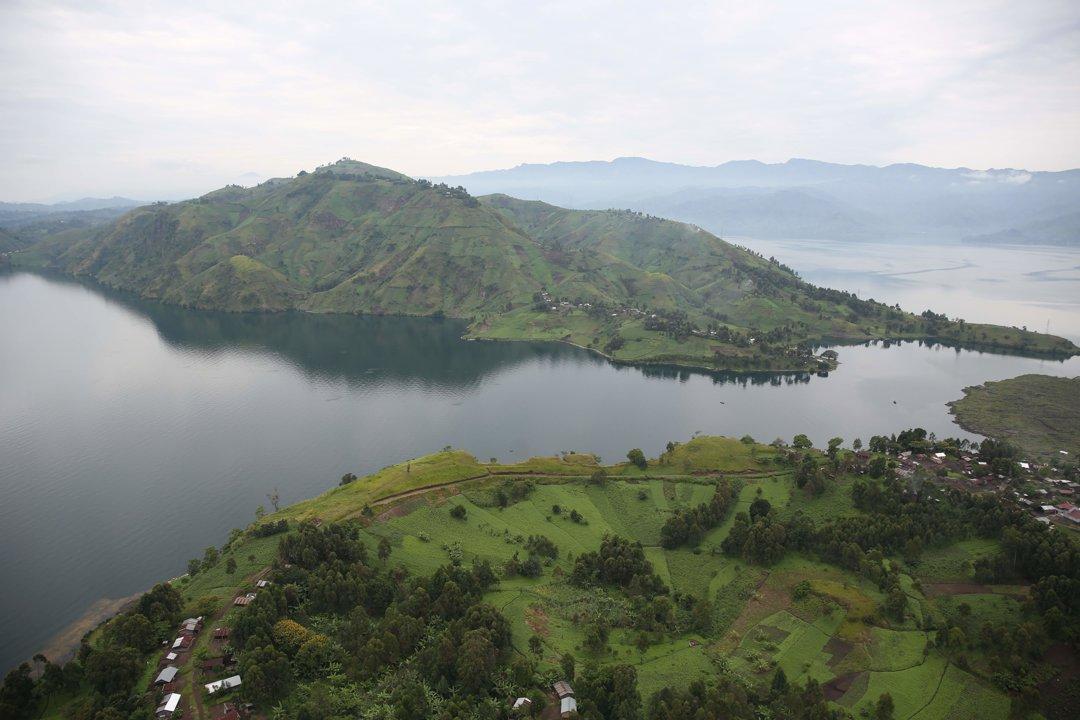
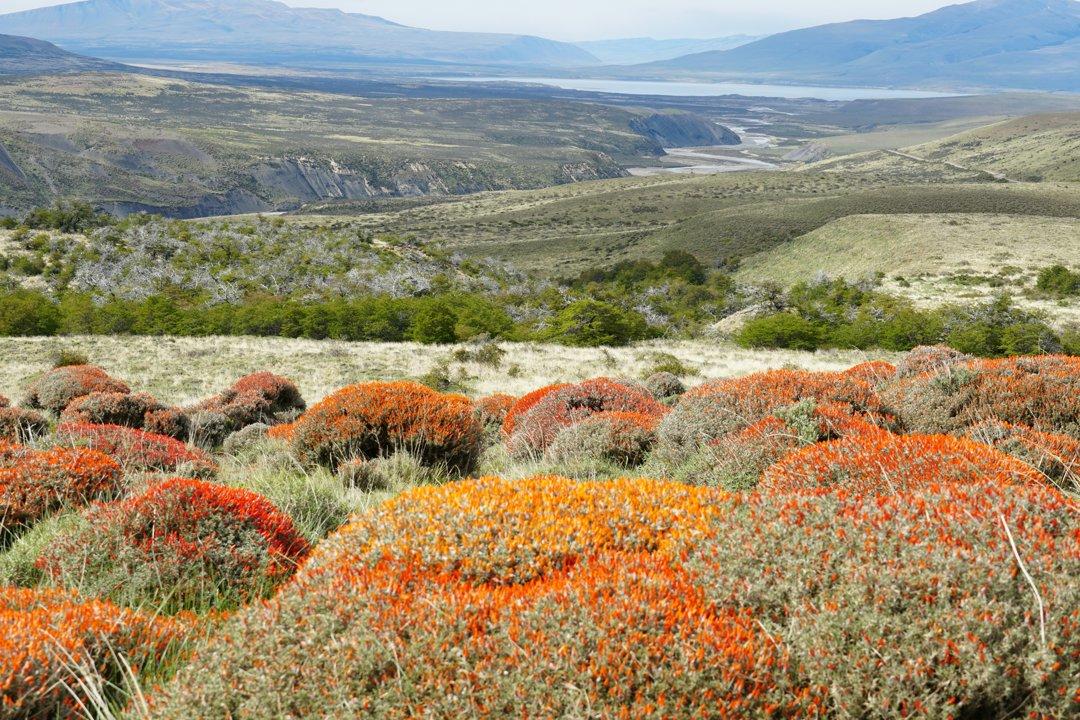
Caza en la Cordillera de los Andes: Fauna, Temporadas, Tradiciones y Experiencias en Altura para Cazadores en Chile Geografía y naturaleza: el paisaje perfecto para la caza y los cazadores La Cordillera de los Andes no es sólo una cadena montañosa, sino todo un mundo para los cazadores. La parte chilena de los Andes, que se extiende 7.000 kilómetros a lo largo de la costa oeste de Sudamérica, es un paisaje sorprendentemente diverso: desde cumbres nevadas (hasta 6.961 metros de altura en el volcán Ojos del Salado) hasta las mesetas desérticas de Atacama y los densos bosques de Valdivia. Los ecosistemas de páramo, puna y bosque siempreverde se entrelazan aquí, creando un entorno cinegético único. El clima varía de alpino en el norte a marítimo templado en el sur, lo que afecta a la migración de los animales y al calendario de las temporadas de caza. Demografía de los cazadores que viven en armonía con la presa No existen datos exactos sobre el número de cazadores de la región, ya que l

Post: 10 June 06:16
Caza en Mendoza: geografía, tipos de caza, asociaciones de cazadores, legislación de caza y tradiciones

Condiciones naturales en Mendoza
Mendoza se encuentra a los pies

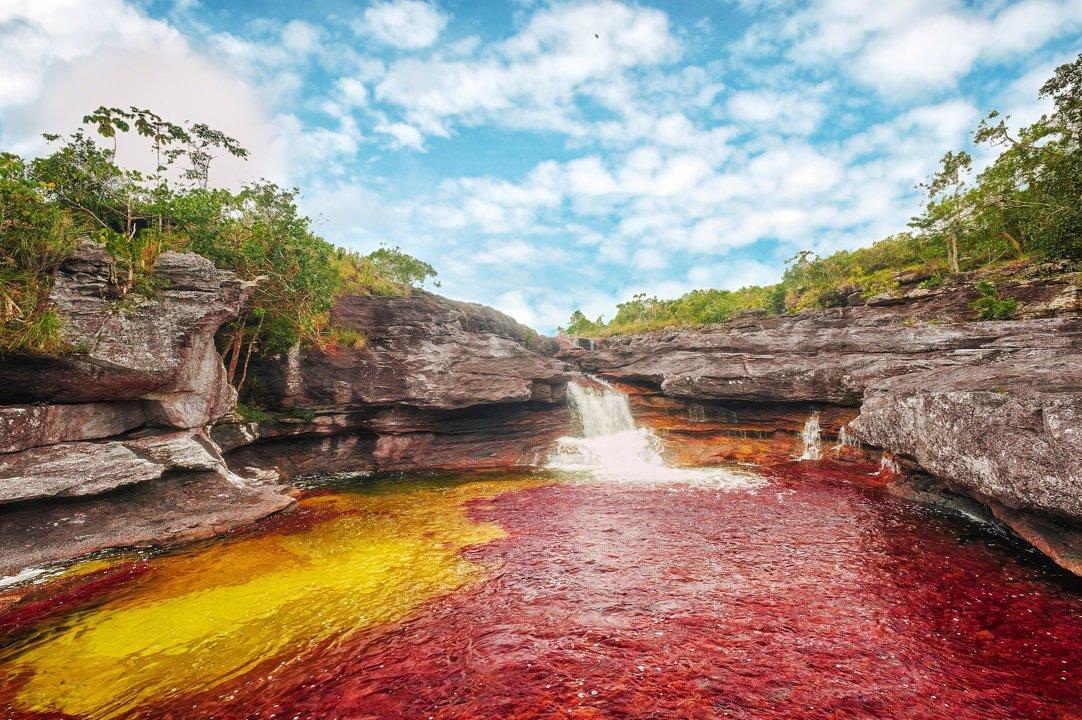
Caza en Mendoza: geografía, tipos de caza, asociaciones de cazadores, legislación de caza y tradiciones Condiciones naturales en Mendoza Mendoza se encuentra a los pies de los Andes, lo que lo convierte en un lugar único para la caza. La región es famosa por su variedad de paisajes, desde cordilleras y estribaciones hasta llanuras y bosques. Aquí se pueden encontrar zonas áridas y valles fértiles. Para los cazadores, las estribaciones de los Andes son especialmente interesantes, donde viven varias especies de caza. Debido a su clima único y sus condiciones naturales, Mendoza es el hogar de una gran cantidad de animales, por lo que es un destino atractivo para los amantes de la caza. Cazadores en el contexto de los procesos demográficos en la región de Mendoza No hay datos precisos sobre el número de cazadores en Mendoza, pero se sabe que la caza es una actividad popular entre los lugareños y los turistas. Muchos argentinos y extranjeros vienen a la región para disfrutar de la ca

Post: 14 May 12:32

<strong>Hunting</strong> in Mongala: Environmental Riches, Community-Based <strong>Hunting</strong>, and Wildlife Variety

Geography and Natural Features in Mongala

Mong

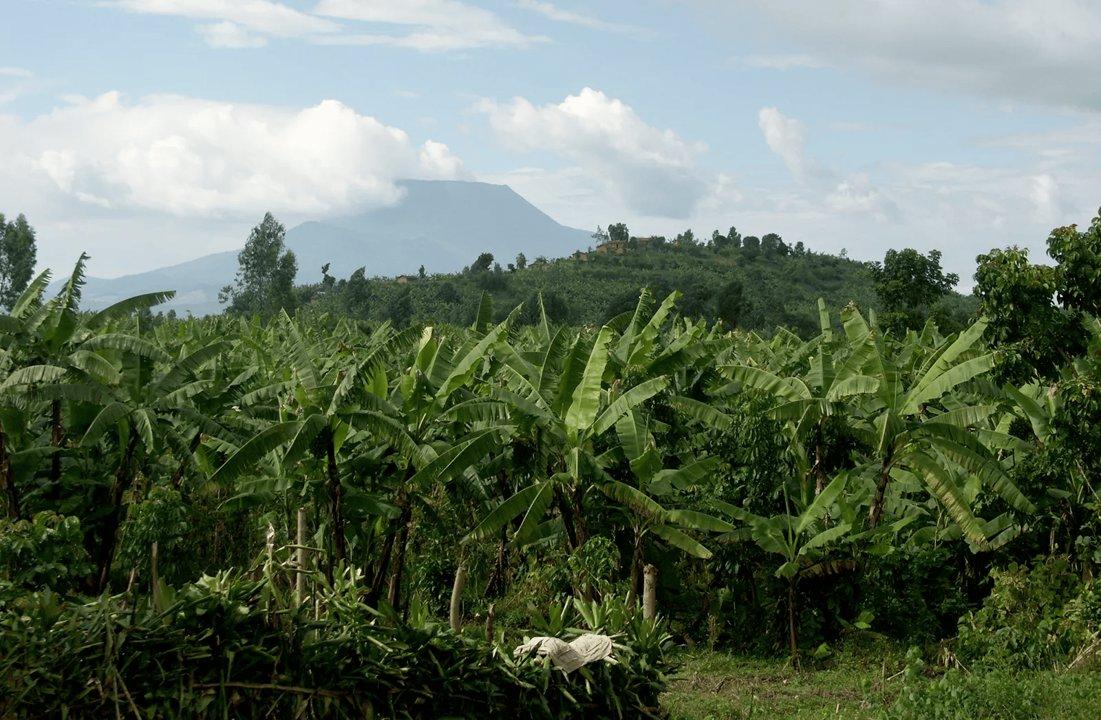
Hunting in Mongala: Environmental Riches, Community-Based Hunting, and Wildlife Variety Geography and Natural Features in Mongala Mongala Province lies in the northwestern section of the Democratic Republic of the Congo, bordering the Congo River and covered by expansive lowland tropical rainforests. Its terrain includes swampy valleys, dense forest canopies, and river networks that flow into the Ubangi and Congo Rivers. These fertile and water-rich environments support a vast array of plant and animal life, creating exceptional natural conditions for both traditional and subsistence hunting practices. Demographics and Hunting Participation The population of Mongala is largely rural and dependent on the land and forest. Indigenous communities such as the Ngbandi, Ngbaka, and Mbudja are well represented in the region and are known for their deep connection to the forest. Hunting is a daily activity in many villages, often performed to provide meat, support family needs, and maintain

Post: 5 August 17:30

<strong>Hunting</strong> in Tshopo: Rainforest Ecosystems, Indigenous Knowledge, and Abundant Game Species

Geography and Natural Features in Tshopo

Tshopo, one of the l

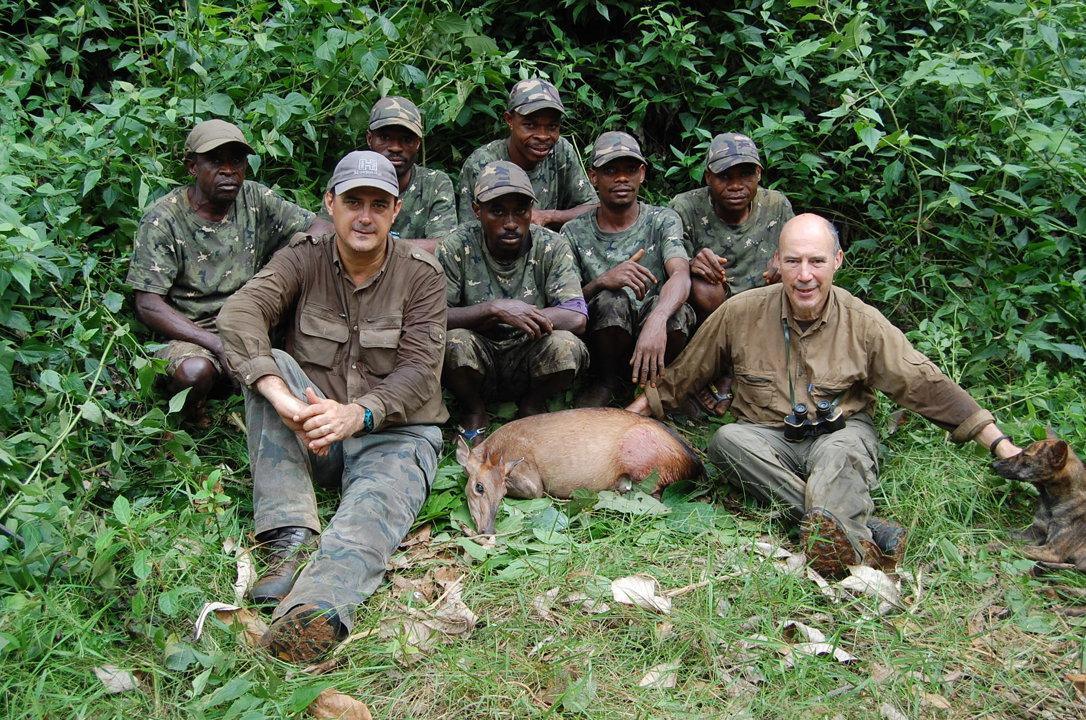
Hunting in Tshopo: Rainforest Ecosystems, Indigenous Knowledge, and Abundant Game Species Geography and Natural Features in Tshopo Tshopo, one of the largest provinces in the Democratic Republic of the Congo, is dominated by tropical rainforest and dissected by rivers, including the mighty Congo River and its tributaries such as the Tshopo and Lindi Rivers. The province's terrain is a mix of dense forest, swampy lowlands, and elevated plateaus. These richly biodiverse ecosystems form a crucial part of the Congo Basin—the second-largest rainforest in the world—and provide ideal habitats for numerous game animals. Demographic Profile and Hunting Participation The province is home to a variety of ethnic groups, including the Turumbu, Lokele, and Mbole peoples, many of whom maintain traditional forest-based lifestyles. In these communities, hunting is essential both as a food source and as a cultural rite. With limited access to modern agriculture or formal employment, hunting often pr

Post: 6 August 19:03

<strong>Hunting</strong> in Équateur: Natural Landscapes, <strong>Hunting</strong> Communities, and Abundant Wildlife Species


The Landscapes and Natural Environment of

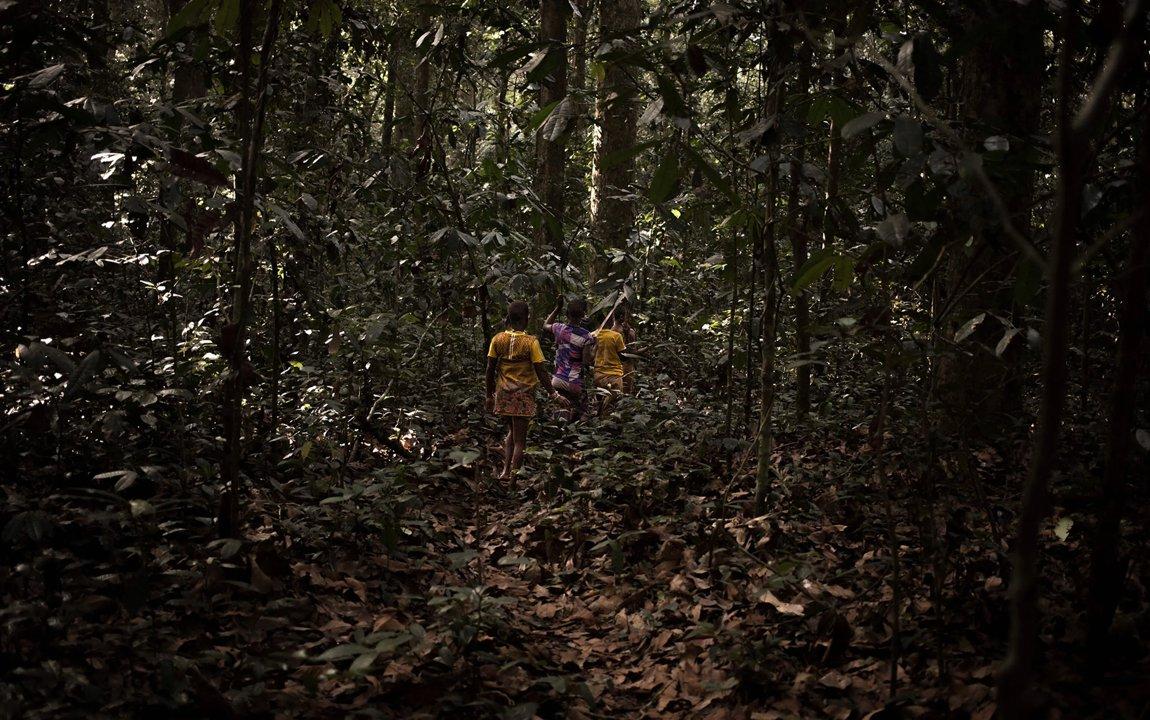
Hunting in Équateur: Natural Landscapes, Hunting Communities, and Abundant Wildlife Species The Landscapes and Natural Environment of Équateur Situated in the northwestern heart of the Democratic Republic of the Congo, Équateur is dominated by vast equatorial rainforests, swamps, and rivers, including parts of the mighty Congo River. The dense vegetation and humid climate support one of Africa’s richest ecosystems, making the region a hotspot for biodiversity. From flooded forests to seasonal savannas, the varied geography provides exceptional habitat for both large and small game, and offers unique challenges for hunters venturing into this wild terrain. Local Hunting Population and Regional Dynamics Équateur is largely rural, with small communities relying on traditional hunting as a means of subsistence and cultural continuity. The majority of hunting activity is performed by indigenous groups who have lived in harmony with the forest for generations. While recreational hunting

Post: 31 July 16:43

<strong>Hunting</strong> in Cuvette: River Systems and Wetlands, Local <strong>Hunting</strong> Communities, and Wildlife Diversity

<strong>Hunting</strong> in Cuvette r

Hunting in Cuvette: River Systems and Wetlands, Local Hunting Communities, and Wildlife Diversity Hunting in Cuvette region offers a deep connection to Central African wilderness, making it a vital destination for both traditional and regulated hunting. The region, rich in biodiversity and shaped by natural river systems, supports a variety of game species and a hunting culture still very much alive among local communities. Hunting in Cuvette region is defined by its remote terrain, seasonal dynamics, and the continuation of indigenous knowledge passed down through generations. Geographic and Environmental Features Cuvette, located in the central-northern part of the Republic of the Congo, is dominated by tropical rainforests, swampy basins, and lowland floodplains, particularly those surrounding the Congo and Likouala rivers. This hydrographic system creates unique wetland ecosystems rich in biodiversity. The area experiences an equatorial climate, with high rainfall and humidity,

Post: 23 July 15:57

<strong>Hunting</strong> in Brazzaville: Urban Fringe Landscapes, <strong>Hunting</strong> Participation, and Available Game

<strong>Hunting</strong> in Brazzaville regi

Hunting in Brazzaville: Urban Fringe Landscapes, Hunting Participation, and Available Game Hunting in Brazzaville region, despite being centered around the capital city of the Republic of the Congo, holds its own unique appeal. While Brazzaville is urbanized, the surrounding areas present a surprisingly rich environment for regulated and traditional hunting. Hunting in Brazzaville region draws attention for its accessibility, seasonal opportunities, and close connection to historical and cultural hunting traditions in Central Africa. Geography and Natural Environment The geography around Brazzaville includes riverine forests, gallery woodlands, savannah patches, and dense thickets near the Congo River and its tributaries. The southern edges of the region gradually blend into more rural and forested zones. The area's subtropical climate, with defined wet (October to May) and dry (June to September) seasons, plays a crucial role in wildlife movement. During the dry season, water sourc

Post: 22 July 13:44

<strong>Hunting</strong> in Luapula Province and Statistics and Characteristics of the Local <strong>Hunting</strong>: A Unique African Experience in Zambia's Wilderness

Hunting in Luapula Province and Statistics and Characteristics of the Local Hunting: A Unique African Experience in Zambia's Wilderness Hunting in the Luapula Province of Zambia attracts adventure enthusiasts from around the world. This picturesque corner of Africa, located in the northern part of the country, offers unforgettable hunting experiences in the pristine nature of Luapula Province. The region's rich flora and fauna create ideal conditions for those seeking to experience authentic African hunting. Natural Riches of Luapula Province: What Makes the Region a Hunter's Paradise The region spans approximately 50,000 square kilometers, bordering the Democratic Republic of Congo. The main water artery is the Luapula River, which is part of the Upper Congo system. Dense tropical forests, marshy areas, and numerous lakes form diverse ecosystems. Particularly interesting hunting areas include: Coastal territories of Lake Bangweulu (2,250 sq. km) Mopane thickets in the southern part

Post: 18 June 09:22

<strong>Hunting</strong> in Tshuapa: River Systems, Forest Ecosystems, and Indigenous <strong>Hunting</strong> Techniques

Geography and Ecological Features of Tshuapa

T

Hunting in Tshuapa: River Systems, Forest Ecosystems, and Indigenous Hunting Techniques Geography and Ecological Features of Tshuapa Tshuapa is located in the central region of the Democratic Republic of the Congo, encompassing dense tropical rainforests and meandering river systems, including the Tshuapa River. This province is part of the Congo Basin, which is home to one of the world’s largest contiguous tropical rainforests. The landscape is characterized by lush forests, wetlands, and seasonal floodplains, creating an environment rich in biodiversity, perfect for sustaining a variety of game species. Population and Hunting Practices Tshuapa is inhabited by various ethnic groups, including the Mbuti pygmies, who are renowned for their profound knowledge of the forest and its wildlife. In these communities, hunting is a way of life and a primary source of food and income. The people here rely on traditional hunting methods passed down through generations, including the use of ne

Post: 7 August 14:35

<strong>Hunting</strong> in Lualaba: Environmental Terrain, <strong>Hunting</strong> Populations, and Species Variety in the Region
Geography and Natural Features in the

Hunting in Lualaba: Environmental Terrain, Hunting Populations, and Species Variety in the Region Geography and Natural Features in the Lualaba Lualaba Province, located in the southern reaches of the Democratic Republic of the Congo, features a diverse terrain that includes riverine valleys, miombo woodlands, open savannas, and mineral-rich uplands. The Lualaba River, which forms the headwaters of the Congo River, shapes much of the province’s ecological rhythm. This mosaic of landscapes supports a wide variety of wildlife, particularly in more remote and less disturbed areas. Demographics and Hunting Involvement Lualaba is home to a mix of urban centers and rural communities, with many of the latter still deeply connected to traditional subsistence practices. Ethnic groups such as the Lunda and Chokwe have historically relied on hunting, alongside farming and fishing. Hunting remains particularly important in remote villages, where it provides essential protein and plays a role in ce

Post: 4 August 20:49

<strong>Hunting</strong> in Kinshasa: Urban Outskirts, Cultural <strong>Hunting</strong> Heritage, and Ecological Contrasts

The Ecological Mosaic of Kinshasa and Its Sur

Hunting in Kinshasa: Urban Outskirts, Cultural Hunting Heritage, and Ecological Contrasts The Ecological Mosaic of Kinshasa and Its Surroundings Although Kinshasa is best known as the bustling capital of the Democratic Republic of the Congo, its periphery is marked by a contrasting landscape of savannah patches, lowland forests, wetlands, and rivers. These transitional zones between dense urbanization and the natural world provide habitat for small game species and support limited traditional hunting. The areas along the Ndjili and Congo Rivers, as well as nearby forest fragments, represent the last vestiges of wild space in this growing metropolis. Demography In Kinshasa itself, hunting is largely absent due to urban sprawl. However, in peri-urban and rural zones on the outskirts—such as Maluku, Kimwenza, and areas toward Kwilu—hunting remains a subsistence activity. It is practiced by small-scale farmers, fishermen, and migrant families who retain ties to traditional village life

Post: 1 August 18:59

<strong>Hunting</strong> in Haut-Katanga: Natural Features, Hunter Participation, and Population 


Terrain and Natural Features in Haut-Katanga

Haut-Katanga, located in

Hunting in Haut-Katanga: Natural Features, Hunter Participation, and Population Terrain and Natural Features in Haut-Katanga Haut-Katanga, located in the southeastern reaches of the Democratic Republic of the Congo, features a mosaic of miombo woodlands, grassy plateaus, and river valleys. The region borders Zambia and includes parts of the upper Congo River basin, making it ecologically diverse. With elevations ranging between 1,000 and 1,500 meters, the climate is more temperate than in the equatorial provinces, and the landscape supports both savanna and forest-adapted wildlife species. Seasonal rivers and wetlands play a crucial role in the movement patterns of game across the province. Population and Hunting Involvement Hunting in Haut-Katanga has both subsistence and commercial aspects. Local villagers engage in traditional hunting to supplement their diets, while limited sport hunting is present, particularly near private reserves and community-managed lands. The province'

Post: 31 July 19:08

<strong>Hunting</strong> in Sangha: Dense Rainforests, Indigenous <strong>Hunting</strong> Communities, and Rare Game Species

<strong>Hunting</strong> in Sangha region,

Hunting in Sangha: Dense Rainforests, Indigenous Hunting Communities, and Rare Game Species Hunting in Sangha region, situated in the far northwestern corner of the Republic of the Congo, represents the most remote, biodiverse, and game-rich terrain in the entire country. Bordering Cameroon and the Central African Republic, Sangha is a vital part of the Congo Basin’s intact forest system. Hunting in Sangha region appeals to serious bush hunters due to its remoteness, abundance of large and rare species, and proximity to vast protected areas such as the Nouabalé-Ndoki National Park. Geography and Hunting Environment Sangha is dominated by lowland rainforest, swamps, and secondary forest corridors. The Sangha River and its network of tributaries cut through dense terrain, providing both natural boundaries and wildlife routes. Elevation is generally low, and rainfall is high year-round, with slightly drier conditions from December to February. These thick equatorial forests make for di

Post: 25 July 20:00

<strong>Hunting</strong> in Likouala: Swamp Forest Habitats, Tribal <strong>Hunting</strong> Traditions, and Abundant Wildlife

<strong>Hunting</strong> in Likouala regio

Hunting in Likouala: Swamp Forest Habitats, Tribal Hunting Traditions, and Abundant Wildlife Hunting in Likouala region, located in the northeastern part of the Republic of the Congo, offers one of the most authentic and remote bush experiences in Central Africa. Covered largely by tropical rainforest and flooded swamps, the region is a stronghold for traditional forest hunting. Hunting in Likouala region is defined by its pristine ecosystems, complex wildlife corridors, and a long-standing reliance on bushmeat by local populations. Its remoteness and biodiversity make it a focal point for both subsistence hunters and conservationists. Geography and Natural Environment The Likouala region spans vast tracts of rainforest interspersed with rivers, wetlands, and swamp basins. It includes sections of the Congo River basin and major tributaries such as the Ubangi and Likouala-aux-Herbes rivers. The landscape is predominantly flat but heavily forested, with seasonal and permanent swamp ar

Post: 24 July 21:07

<strong>Hunting</strong> in Bouenza: Forested Terrain, Rural <strong>Hunting</strong> Demographics, and Species Variety

Bouenza, a department in the Republic of the <str

Hunting in Bouenza: Forested Terrain, Rural Hunting Demographics, and Species Variety Bouenza, a department in the Republic of the Congo, offers a unique hunting experience due to its diverse geography and rich wildlife. Hunting in Bouenza is not only rooted in cultural traditions but also shaped by natural and legal factors, making it an intriguing destination for seasoned hunters and conservation-focused enthusiasts alike. Geography and Natural Features of Bouenza Bouenza's landscape features a mix of dense tropical forests, savannahs, plateaus, and river systems. These geographic features create a range of habitats for various game species. Located in the southern part of the Republic of the Congo, Bouenza is characterized by an equatorial climate, with two rainy seasons (March to May and September to November) and two dry seasons. These seasonal patterns significantly affect hunting conditions, as animal movement and visibility vary throughout the year. The dry seasons, with les

Post: 22 July 13:40

<strong>Hunting</strong> in Maniema: Regional Landscapes, Traditional <strong>Hunting</strong> Roles, and Wildlife Abundance

Geography and Natural Features in Maniema

M

Hunting in Maniema: Regional Landscapes, Traditional Hunting Roles, and Wildlife Abundance Geography and Natural Features in Maniema Maniema is located in the heart of the Democratic Republic of the Congo and is characterized by dense equatorial rainforests, winding rivers, and elevated plateaus. The province is largely covered by the central Congo Basin forest, with significant biodiversity and a humid tropical climate that supports rich flora and fauna. Rivers like the Lualaba and Elila shape both the ecology and the way of life, making Maniema one of the most forested and biologically productive provinces in the country. Human Presence and Hunting Activity The province is home to various ethnic communities, including the Lega, Kusu, and Songola, many of whom rely on the forest for subsistence. Hunting remains a vital activity, not only as a food source but also as part of cultural identity. While some hunting supports local markets in bushmeat, most of it is non-commercial and f

Post: 5 August 15:22

<strong>Hunting</strong> in Sankuru: Dense Rainforests, Indigenous Knowledge, and Diverse Wildlife Species

Geography and Ecological Landscape of Sankuru

Sankuru lies in

Hunting in Sankuru: Dense Rainforests, Indigenous Knowledge, and Diverse Wildlife Species Geography and Ecological Landscape of Sankuru Sankuru lies in the central part of the Democratic Republic of the Congo and is dominated by vast stretches of lowland tropical rainforest, interspersed with rivers, swamps, and savanna patches. The region forms part of the Congo Basin’s heartland, one of the world’s largest and most biologically rich tropical forest ecosystems. This natural environment provides ideal conditions for supporting a wide array of wildlife and makes Sankuru a prime location for forest-based hunting activities. Local Populations and Hunting Dependence The province is inhabited by various ethnic groups including the Tetela, Kusu, and Luba peoples. In rural villages, hunting is a fundamental aspect of survival and cultural identity. It provides bushmeat for daily consumption, raw materials like hides and bones, and serves as a traditional rite of passage for many young men

Post: 6 August 13:20

<strong>Hunting</strong> in Kongo-Central: Geographical Features, Biodiversity, and Seasonal Considerations

Geographical Features and Natural Environments of Kongo-Centr

Hunting in Kongo-Central: Geographical Features, Biodiversity, and Seasonal Considerations Geographical Features and Natural Environments of Kongo-Central Kongo-Central, the Democratic Republic of the Congo’s only coastal province, spans a diverse range of ecosystems. From the coastal plains near Muanda to the rolling savannahs and thick forests of the Mayombe region, the province is shaped by the Congo River and its network of tributaries. These varied landscapes create rich game habitats, particularly in the lower valleys and forested highlands bordering Angola and the Republic of the Congo. The Mayombe Forest, in particular, holds significant biodiversity, including endemic and elusive species rarely seen elsewhere in the country. Local Participation and Hunting Community Profile The hunting tradition in Kongo-Central is both cultural and practical, sustained primarily by rural communities and riverine populations. The Bakongo people, who form the dominant ethnic group, are know

Post: 4 August 14:09

<strong>Hunting</strong> in Sangha-Mbaéré: Exploring Demographics, Navigating Types of Game, and Discovering Local Traditions

Sangha-Mbaéré, located in the southwestern

Hunting in Sangha-Mbaéré: Exploring Demographics, Navigating Types of Game, and Discovering Local Traditions Sangha-Mbaéré, located in the southwestern corner of the Central African Republic, is a richly forested region bordered by Cameroon and the Republic of the Congo. It is part of the Congo Basin, one of the most important ecological zones in Africa. In this lush and remote prefecture, hunting has long been a traditional way of life, deeply connected to indigenous knowledge, subsistence needs, and the preservation of cultural identity. Geography and Natural Features of Sangha-Mbaéré for Hunting The geography of Sangha-Mbaéré is dominated by dense tropical rainforests, rivers, and seasonal swamps. The Sangha River, which gives the region part of its name, supports an ecosystem that is home to elephants, antelopes, gorillas, and a vast array of bird and reptile species. This forested environment provides ample resources for hunting, but it also demands great skill and local knowle

Post: 30 July 20:37

Montana man convicted of poaching four bucks

A Montana man recently lost his <strong>hunting</strong> privileges for the next 16 years after poaching four mule deer buck

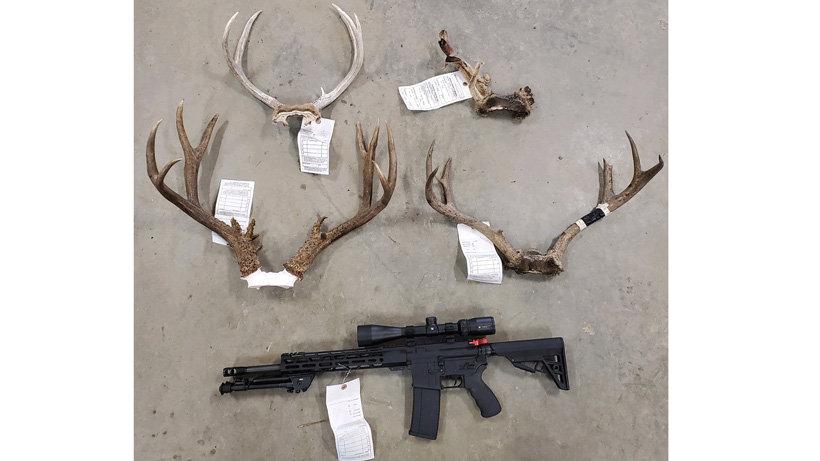
Montana man convicted of poaching four bucks A Montana man recently lost his hunting privileges for the next 16 years after poaching four mule deer bucks last October. Brayden Reed was convicting of spotlighting and shooting two bucks on Oct. 2 and a third buck on private property on Oct. 8 before taking them to BLM’s Ah-Nei Recreation Area where he removed the antlers and backstraps, according to a press release. Reed did not have a valid hunting license at the time nor tags for any of the deer. All of the incidents occurred before the start of general deer season on Oct. 23. The bonus? During the investigation, Montana Fish, Wildlife and Parks game warden Connor Langel also discovered a fourth illegally killed mule deer. Reed pleaded guilty to four counts of unlawful possession of deer, two counts of wasting game, three counts of hunting during a closed season, two counts of unlawful use of equipment, two counts of hunting without a license and one count of killing more than a l

Post: 14 July 10:36

<strong>Hunting</strong> in Tanganyika: Geographic Landscape, Terrain-Specific <strong>Hunting</strong> Conditions, and Diverse Game Opportunities

Geographic Landscape a

Hunting in Tanganyika: Geographic Landscape, Terrain-Specific Hunting Conditions, and Diverse Game Opportunities Geographic Landscape and Environmental Diversity in Tanganyika Tanganyika province, in southeastern Democratic Republic of the Congo, is a land defined by its connection to Lake Tanganyika—the second-deepest freshwater lake in the world. The province features dramatic escarpments, woodlands, lake shorelines, and miombo forests. This varied topography supports numerous habitats, from dense thickets to grassy plains, creating favorable conditions for a wide array of wildlife species and traditional hunting grounds. Human Presence and Hunting Engagement The region is primarily inhabited by ethnic groups such as the Tabwa, Luba, and Bemba, many of whom still practice subsistence hunting. In remote areas, hunting remains an integral part of daily life, deeply entwined with spiritual beliefs and social customs. For many, hunting is not only a means of sustenance but a generati

Post: 6 August 16:40

Men jeg har oplevet mere underholdende ting. Engang havde jeg været på jagt hele dagen, og om aftenen kom jeg til en stor sø i en dyb skov, som vrimlede med vildænder. Je

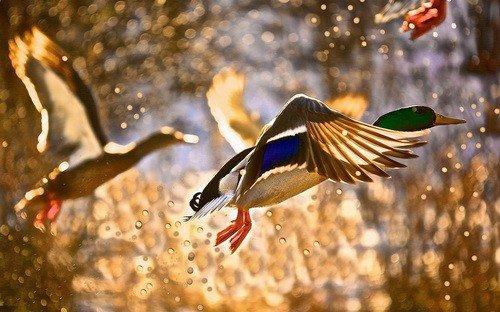
Men jeg har oplevet mere underholdende ting. Engang havde jeg været på jagt hele dagen, og om aftenen kom jeg til en stor sø i en dyb skov, som vrimlede med vildænder. Jeg havde aldrig set så mange ænder i mit liv! Desværre havde jeg ikke en eneste kugle tilbage. Jeg ventede et stort selskab af venner denne aften, og jeg ville gerne byde dem på noget vildt. Jeg er en gæstfri og generøs mand. Mine frokoster og middage var berømte over hele Sankt Petersborg. Hvordan skulle jeg kunne vende hjem uden ænder? I lang tid stod jeg i ubeslutsomhed, og pludselig kom jeg i tanke om, at jeg havde et stykke spæk i min jagttaske. Jubii! Dette spæk vil være den perfekte lokkedue. Jeg tog det op af tasken, bandt det hurtigt fast til en lang og tynd snor og kastede det ud i vandet. Da ænderne ser maden, svømmer de straks op til spækket. En af dem sluger det grådigt. Men fedtet er glat, og da det hurtigt passerer gennem anden, dukker det op bag den! På den måde ender anden på mit reb.

Post: 12 July 16:29

<strong>Hunting</strong> in Kouilou: Coastal Plains, Traditional <strong>Hunting</strong> Demographics, and Game Species Richness

<strong>Hunting</strong> in Kouilou reg

Hunting in Kouilou: Coastal Plains, Traditional Hunting Demographics, and Game Species Richness Hunting in Kouilou region, situated in the southwestern corner of the Republic of the Congo, offers a rare blend of coastal plains, mangrove forests, inland savannahs, and tropical lowland jungle. With its proximity to the Atlantic Ocean and a relatively sparse population density outside of Pointe-Noire, the region supports traditional and subsistence hunting practices shaped by diverse ecological zones. Hunting in Kouilou region presents an uncommon opportunity to track game through saltwater wetlands, inland valleys, and forest corridors, combining terrain diversity with historical hunting culture. Geographic and Environmental Characteristics Kouilou's geography is uniquely varied: the western coastline features mangrove estuaries and tidal flats, while the interior is made up of forested zones, rolling hills, and patches of grassland. The Kouilou River and Lake Nanga provide year-round

Post: 24 July 11:10

Trophy <strong>hunting</strong>: Import ban

While the tourist season is in full swing, animal welfare NGOs around the globe call for a ban on <strong>hunting</strong> tr

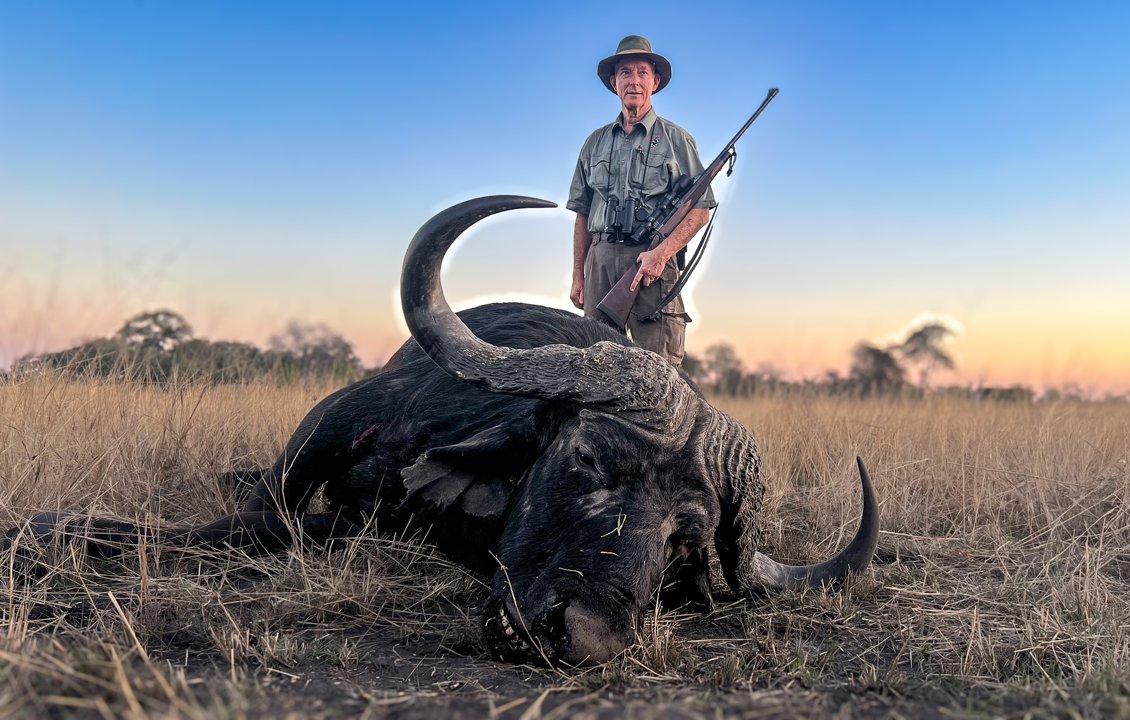
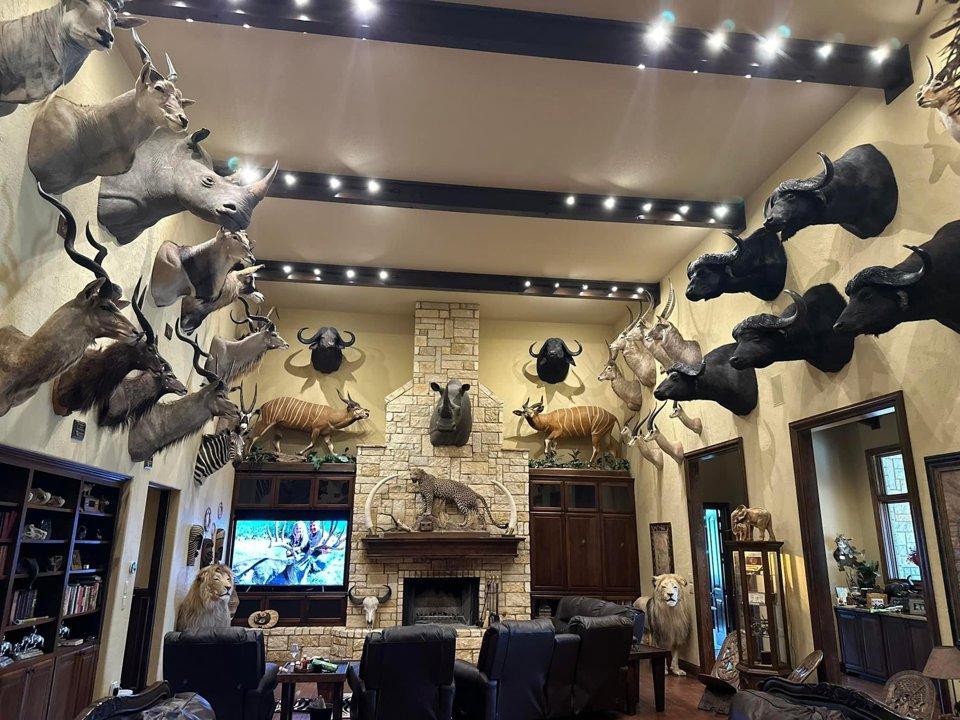
Trophy hunting: Import ban While the tourist season is in full swing, animal welfare NGOs around the globe call for a ban on hunting trophy imports. Special attention is given to the U.S. and EU travellers, who are the major clients of modern taxidermists. In a joint position manifesto 137 conservation and animal protection organisations from all around the world, including 45 NGOs from the African continent, took a stand against trophy hunting and urged lawmakers to ban imports. “Trophy hunting stands out among the worst forms of wildlife exploitation and is neither ethical nor sustainable. In the face of the man-made global biodiversity crisis, it is unacceptable that exploitation of wildlife simply for acquiring a hunting trophy is still permitted and that trophies can still be legally imported. It is high time that governments end this detrimental practice” Mona Schweizer, Ph.D., from Pro Wildlife said. The statistics point to a huge ongoing crisis in the field of animal conser

Post: 18 July 11:17

<strong>Hunting</strong> in Kasaï-Oriental: Riverine Forests, Traditional Knowledge, and Local Game Diversity

Natural Terrain and Ecological Conditions of Kasaï-Oriental

Hunting in Kasaï-Oriental: Riverine Forests, Traditional Knowledge, and Local Game Diversity Natural Terrain and Ecological Conditions of Kasaï-Oriental Kasaï-Oriental, located in the south-central Democratic Republic of the Congo, is a province dominated by broad savannah landscapes, riparian forests, and pockets of miombo woodlands. The Sankuru River and its tributaries cut through the region, forming lush, game-rich corridors that sustain both wildlife and agricultural communities. These ecological zones provide a rich foundation for traditional hunting practices and seasonal bushmeat gathering. Community Presence and Hunting Demographics Hunting in Kasaï-Oriental is deeply rooted in local customs. It is practiced mainly by rural villagers, particularly among the Tetela and Luba ethnic groups. These communities hunt primarily for subsistence, passing down skills and conservation wisdom through oral tradition. The region does not host organized safari operations, but its hunting

Post: 1 August 17:53

Agder <strong>Hunting</strong> Regions in Norway: Guide for Hunters. Geographic and Natural Features for <strong>Hunting</strong>, Hunter Demographics and Characteristics

Agder Hunting Regions in Norway: Guide for Hunters. Geographic and Natural Features for Hunting, Hunter Demographics and Characteristics of Hunting Geographic and Natural Features for Hunting: Diverse Landscapes and Habitats of Agder The Agder region, located in southern Norway, spans two counties—Vest-Agder and Aust-Agder—and offers a diverse hunting landscape shaped by its geography and climate. Key features include: Forests : Dense spruce and pine forests dominate the inland areas, providing excellent cover for moose (Alces alces ) and roe deer (Capreolus capreolus ). Mountains : The Setesdal Valley and Sognefjell foothills create rugged terrain ideal for stalking large game. Lakes and Rivers : Notable water bodies like Lake Byglandsfjorden and the Otra River attract waterfowl such as mallards (Anas platyrhynchos ) and teal (Anas crecca). Coastal Areas : Fjords and islands along the Skagerrak coast harbor seabirds and occasional migratory geese. Climate : Mild coastal weather contr

Post: 10 June 09:00

<strong>Hunting</strong> in Lomami: Geography and Natural Features, <strong>Hunting</strong> Demographics, and Game Species Diversity

Landscape and Environmental Feature

Hunting in Lomami: Geography and Natural Features, Hunting Demographics, and Game Species Diversity Landscape and Environmental Features of Lomami Located in central Democratic Republic of the Congo, Lomami Province is defined by a blend of tropical rainforests, grassy clearings, and marshlands sustained by the Lomami River and its network of tributaries. This province lies within a transitional ecological zone between the Congolese rainforest and savanna grasslands, offering an ideal mix of habitats for a wide variety of animal species. Population and Hunting Engagement Lomami is primarily rural, inhabited by ethnic groups such as the Songye and Luba, whose traditional livelihoods are closely tied to the natural world. Hunting remains a major subsistence practice, used to supplement farming and fishing. Most hunting is community-based and non-commercial, reflecting strong cultural ties to wildlife and ancestral land. Hunting Practices in the Lomami Region Due to the dense forest

Post: 4 August 20:26

<strong>Hunting</strong> in Ituri: Rainforest Terrain, Indigenous <strong>Hunting</strong> Traditions, and Wildlife Richness

Ecosystems and Terrain of Ituri

The Ituri p

Hunting in Ituri: Rainforest Terrain, Indigenous Hunting Traditions, and Wildlife Richness Ecosystems and Terrain of Ituri The Ituri province in northeastern DRC is home to one of Africa’s most important tropical rainforests—the Ituri Forest. This dense and ancient jungle is part of the greater Congo Basin, featuring a humid climate, thick canopy layers, river systems like the Epulu and Nepoko, and patches of swampy lowlands. The forest's dense vegetation, coupled with a high diversity of microhabitats, nurtures an exceptional range of wildlife. Ituri's ecological complexity makes it both a challenging and fascinating destination for bushcraft and hunting. Community Engagement and Hunting Populations In Ituri, hunting remains an integral part of life for indigenous groups such as the Mbuti and Efe pygmies, who possess generations of accumulated environmental knowledge. These hunter-gatherer communities rely on sustainable hunting for both nutrition and cultural preservation. While

Post: 1 August 12:24

<strong>Hunting</strong> in Haut-Uélé: Forest-Savanna Ecology, Traditional <strong>Hunting</strong> Practices, and Game Species Diversity


Natural Environment and Landsc

Hunting in Haut-Uélé: Forest-Savanna Ecology, Traditional Hunting Practices, and Game Species Diversity Natural Environment and Landscape of Haut-Uélé Located in the northeastern part of the Democratic Republic of the Congo, Haut-Uélé is a region defined by a mix of dense tropical forests, rolling savannas, and winding rivers such as the Uélé River. This geographic variety supports a rich tapestry of flora and fauna and provides hunters with a range of habitats—from thick undergrowth to open grassy plains. Elevation changes, seasonal watercourses, and forest clearings create corridors for wildlife movement and diverse hunting opportunities throughout the year. Hunting Communities and Regional Engagement The majority of hunting in Haut-Uélé is carried out by local subsistence hunters who rely on traditional methods passed down through generations. The region remains largely untouched by international hunting tourism, due in part to its remoteness and historical insecurity. However,

Post: 31 July 20:32

<strong>Hunting</strong> in the Zaire Region of Angola: Game Species, Types of <strong>Hunting</strong>, Landscapes, Seasons, Clubs and Local Laws

The Zaire Province of

Hunting in the Zaire Region of Angola: Game Species, Types of Hunting, Landscapes, Seasons, Clubs and Local Laws The Zaire Province of Angola offers a unique and challenging hunting experience, blending vast wilderness with diverse game. Located in the northwest, this region is characterized by dense forests, rolling savannas, and riverine ecosystems, making it an ideal destination for hunters seeking both adventure and variety. While not as heavily commercialized as other African hunting destinations, Zaire provides an authentic experience for those willing to explore its untamed landscapes. Geography and Natural Features for Hunting Zaire’s terrain is a mix of tropical rainforests, open woodlands, and floodplains, creating a rich habitat for wildlife. The Congo Basin’s influence brings high humidity and seasonal rains, which sustain lush vegetation and water sources crucial for game. The region’s remoteness ensures low hunting pressure, allowing animal populations to thrive. K

Post: 29 July 14:26

<strong>Hunting</strong> in Plateaux: Elevated Grasslands, Rural Populations, and Antelope Species Diversity

<strong>Hunting</strong> in Plateaux region, located in the

Hunting in Plateaux: Elevated Grasslands, Rural Populations, and Antelope Species Diversity Hunting in Plateaux region, located in the central part of the Republic of the Congo, provides a rewarding mix of elevated forest plateaus, rolling savannahs, and water-rich lowlands. Known for its expansive wilderness and relatively low population density, the region presents ideal conditions for traditional hunting. Hunting in Plateaux region is distinguished by the terrain diversity, access to prime habitats, and deeply rooted customs among rural communities. Geography and Natural Hunting Terrain The region is dominated by high forest plateaus intersected by river valleys, including the Alima and Lefini rivers. These varied habitats create ecotones ideal for species diversity. Open grasslands along the ridges and thick forests along the river basins offer contrasting but complementary hunting grounds. The climate follows a dry season from June to September and a wet season from October to

Post: 25 July 10:54

<strong>Hunting</strong> in South Cameroon: Primeval Rainforests, Endangered Species, and Deep Cultural Ties in the Country’s Wildest and Most Biodiverse Region

Immense

Hunting in South Cameroon: Primeval Rainforests, Endangered Species, and Deep Cultural Ties in the Country’s Wildest and Most Biodiverse Region Immense forest blocks, secretive wildlife, and ecological treasure troves The South Region of Cameroon is a haven for tropical biodiversity, cloaked in vast expanses of evergreen rainforest, interspersed with rivers, swamps, and sacred groves. Bordering Equatorial Guinea, Gabon, and the Republic of the Congo, this region forms part of the great Congo Basin — the second largest rainforest on Earth. Towering hardwood trees, dense understory, and constant humidity create an environment that’s both breathtakingly beautiful and difficult to navigate. The Dja Faunal Reserve, Campo Ma’an National Park, and the Nyong River basin are just a few of the natural landmarks that define the South’s untamed character. It is a region where nature still speaks louder than man. Forest heritage and the lifeblood of indigenous communities In the deep forests of

Post: 29 July 16:18

<strong>Hunting</strong> in Sud-Ubangi: Riverine Landscapes, Cultural <strong>Hunting</strong> Practices, and Wildlife Diversity

Natural Terrain and Geographic Features

Hunting in Sud-Ubangi: Riverine Landscapes, Cultural Hunting Practices, and Wildlife Diversity Natural Terrain and Geographic Features of Sud-Ubangi Located in the northwestern part of the Democratic Republic of the Congo, Sud-Ubangi shares a long border with the Central African Republic. The province’s terrain is shaped by the Ubangi River and its tributaries, forming a network of floodplains, wooded savannas, and gallery forests. This riverine environment supports a rich mosaic of ecosystems, ideal for sustaining numerous game species and facilitating both water-based and land-based hunting traditions. Population and Hunting Involvement Sud-Ubangi is inhabited by ethnic groups such as the Ngbandi, Ngbaka, and Zande, who maintain a strong connection to their ancestral lands. In many villages, hunting remains essential for both food and identity. Bushmeat serves as a dietary staple, and hunting provides one of the few available forms of livelihood in remote areas. Skills such as an

Post: 6 August 14:56

<strong>Hunting</strong> in Niari: Savannah and Forest Mix, Local <strong>Hunting</strong> Culture, and Diverse Game Species

<strong>Hunting</strong> in Niari region, si

Hunting in Niari: Savannah and Forest Mix, Local Hunting Culture, and Diverse Game Species Hunting in Niari region, situated in the southwestern part of the Republic of the Congo, presents a dynamic mix of open savannahs, forest patches, and hilly terrain ideal for tracking diverse game. With towns like Dolisie and Mossendjo serving as hubs, the region is more accessible than many other departments, yet still holds a wealth of hunting grounds. Hunting in Niari region is characterized by its ecological contrasts, strong rural hunting culture, and increasing interest from conservation and rural development organizations. Geographic and Environmental Overview Niari's landscape is composed of rolling hills, plateaus, and transitional zones between dense forest and open savannah. Major rivers such as the Niari and Louesse cut through the terrain, supporting green corridors of wildlife movement. The region experiences a dry season from May to September and a rainy season from October to A

Post: 24 July 21:10

<strong>Hunting</strong> in Sud-Kivu: Highland Terrains, Traditional Practices, and Species Richness

Geographical Overview and Environmental Features of Sud-Kivu

Sud-Ki

Hunting in Sud-Kivu: Highland Terrains, Traditional Practices, and Species Richness Geographical Overview and Environmental Features of Sud-Kivu Sud-Kivu is a province in the eastern Democratic Republic of the Congo, nestled along the western shores of Lake Tanganyika and bordering Rwanda, Burundi, and Tanzania. Its landscape is dominated by lush highlands, dense montane forests, volcanic slopes, and expansive valleys. The region’s rugged terrain and diverse microclimates contribute to a thriving biodiversity and make it a unique setting for both forest and savanna hunting activities. Local Populations and Hunting Involvement Sud-Kivu is home to numerous ethnic communities, including the Bembe, Fuliiru, and Shi peoples, who have historically relied on hunting for both sustenance and socio-cultural rites. While the practice of hunting has declined in urban centers like Bukavu, it remains a vital aspect of rural livelihoods, especially in mountainous and forest-edge communities. Hunt

Post: 6 August 14:16
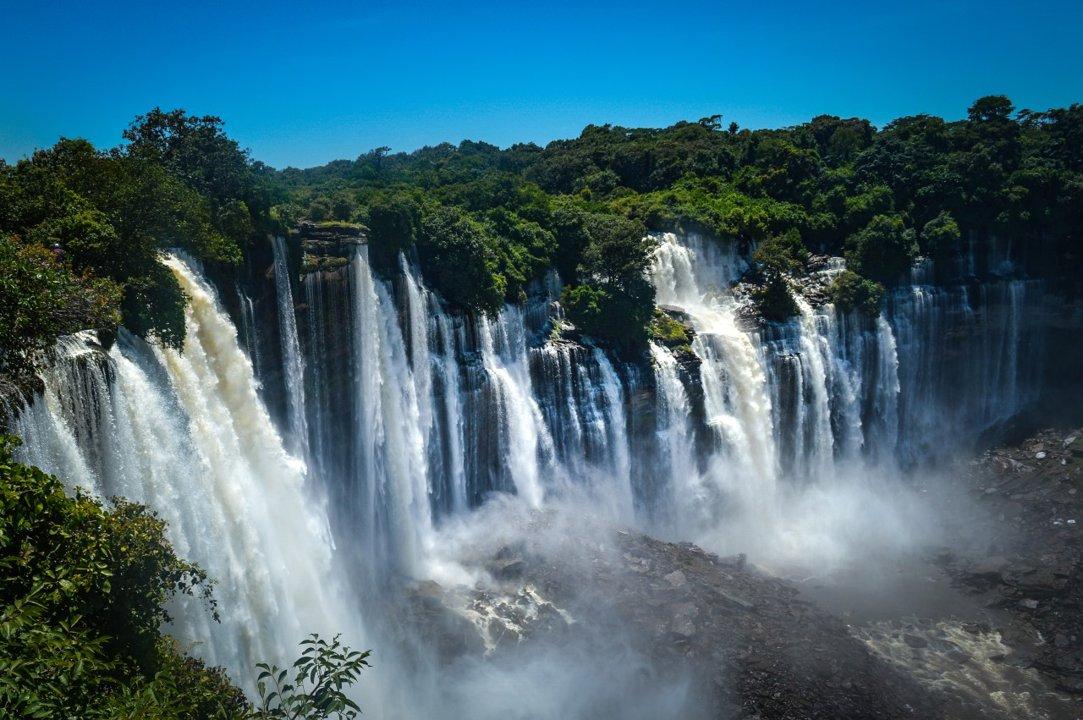
<strong>Hunting</strong> in Nord-Kivu: Mountain Forest Terrain, Local <strong>Hunting</strong> Cultures, and Species Diversity

Geography and Natural Environment of Nord-

Hunting in Nord-Kivu: Mountain Forest Terrain, Local Hunting Cultures, and Species Diversity Geography and Natural Environment of Nord-Kivu Nord-Kivu is a province located in the eastern region of the Democratic Republic of the Congo, defined by its dramatic topography and ecological richness. The area includes volcanic mountains, tropical forests, crater lakes, and savanna mosaics. Key geographical landmarks include the Virunga Mountains and Lake Edward, both of which form part of the Virunga National Park—one of Africa’s most biologically diverse protected areas. These varied landscapes provide ideal habitats for both forest and savanna wildlife. Hunting Communities and Population Trends The province is home to a wide mix of ethnic groups including the Nande, Hutu, Hunde, and Tutsi. In rural areas, especially in buffer zones surrounding protected areas, hunting remains a vital activity for subsistence and cultural purposes. The mountainous and forested terrain means that hunting

Post: 5 August 18:32

<strong>Hunting</strong> in Lobaye: Exploring Specifics, Navigating <strong>Hunting</strong> Seasons, and Discovering Interesting Facts

Lobaye, located in the southweste

Hunting in Lobaye: Exploring Specifics, Navigating Hunting Seasons, and Discovering Interesting Facts Lobaye, located in the southwestern part of the Central African Republic, is a region characterized by lush tropical forests, fertile river valleys, and vibrant cultural heritage. Bordered by the Republic of the Congo to the south, it is a territory where hunting has long played a vital role in the lives of rural communities. In Lobaye, hunting serves as both a livelihood and a cultural cornerstone, intertwined with the rhythms of nature and traditional customs. Geography and Natural Features of Lobaye for Hunting The landscapes of Lobaye are dominated by dense rainforest, interspersed with savanna patches and swamps. The Lobaye River and its tributaries provide essential water sources and rich ecological zones. This biodiversity hotspot is home to a wide array of wildlife species, including antelopes, wild pigs, primates, birds, and reptiles. The thick vegetation offers both habita

Post: 29 July 10:17

Wildlife and <strong>Hunting</strong> in Cabinda, Angola: Key Facts, Game Species, <strong>Hunting</strong> Methods, Seasons, Traditions and Clubs 

Nestled in the northe

Wildlife and Hunting in Cabinda, Angola: Key Facts, Game Species, Hunting Methods, Seasons, Traditions and Clubs Nestled in the northernmost part of Angola, the Cabinda region offers a unique and thrilling hunting experience. With its dense rainforests, vast savannas, and rich biodiversity, this enclave is a hidden gem for hunters seeking both challenge and adventure. Whether pursuing big game or engaging in traditional hunting practices, Cabinda provides a distinctive environment shaped by its geography, culture, and wildlife. Geography and Natural Features for Hunting Cabinda’s terrain is a mix of lush tropical forests and open grasslands, creating ideal habitats for a variety of game species. The Mayombe Forest, stretching across the region, is particularly notable for its dense vegetation and abundant wildlife. Rivers and wetlands further enhance the ecosystem, supporting species such as forest buffalo, sitatunga, and various duikers. The region’s proximity to the Congo Bas

Post: 28 July 09:02

<strong>Hunting</strong> in the Pool Region: River Valleys and Hills, Community Hunters, and Regional Wildlife

<strong>Hunting</strong> in Pool region, located just sout

Hunting in the Pool Region: River Valleys and Hills, Community Hunters, and Regional Wildlife Hunting in Pool region, located just south of Brazzaville in the Republic of the Congo, offers a rare fusion of deep-rooted tradition, dense bushveld, and transitional savannah landscapes. Despite its proximity to the capital, Pool maintains an authentic hunting identity, shaped by the terrain and the legacy of the Teke and Kongo peoples. Hunting in Pool region stands out for its quiet tracking techniques, small game focus, and the survival of generational bushcraft. Natural Features and Hunting Terrain Pool features rolling hills, semi-deciduous forests, and river valleys fed by the Djoué and Niari rivers. The region borders both savannah and forest zones, creating ecotonal habitats rich in biodiversity. Dry season (June–September) conditions expose trails and force animals to water points, improving hunter efficiency. The rainy season (October–May) brings denser foliage, slower tracking,

Post: 25 July 19:57

<strong>Hunting</strong> in Pointe-Noire: Coastal Ecosystems, Urban-Rural <strong>Hunting</strong> Demographics, and Game Access

<strong>Hunting</strong> in Pointe-Noire

Hunting in Pointe-Noire: Coastal Ecosystems, Urban-Rural Hunting Demographics, and Game Access Hunting in Pointe-Noire region, located along the Atlantic coast of the Republic of the Congo, combines coastal biodiversity with the challenges of an expanding urban zone. Though better known as the country's economic capital, Pointe-Noire's surrounding districts, such as Tchissanga, Loango, and Hinda, retain patches of huntable terrain. Hunting in Pointe-Noire region blends suburban edge tracking, relic forest systems, and traditional knowledge with a strong undercurrent of regulatory oversight due to proximity to commercial activity. Natural Environment and Terrain for Hunting The area is defined by its coastal plain, mangrove fringes, secondary forests, and savannah patches inland. The Kouilou River basin plays a key ecological role in the movement of game and serves as a lifeline during the dry season (May to September). The rainy season (October to April) increases vegetation density

Post: 25 July 10:55

<strong>Hunting</strong> in Western Equatoria: Terrain Features, <strong>Hunting</strong> Communities, and Species Variety

Natural Terrain and Ecological Profile of West

Hunting in Western Equatoria: Terrain Features, Hunting Communities, and Species Variety Natural Terrain and Ecological Profile of Western Equatoria Western Equatoria is a richly forested region lying along the southern border of South Sudan, sharing frontiers with the Democratic Republic of the Congo and the Central African Republic. The landscape is dominated by dense woodlands, seasonal rivers, and fertile agricultural zones, interspersed with patches of savanna and swamp. This lush and diverse environment supports an impressive array of wildlife and makes the region highly attractive for subsistence and potential safari-style hunting. Its dense vegetation offers ample cover for elusive species and creates an immersive wilderness experience for those skilled in forest stalking. Who Hunts in the Region The region is inhabited by several ethnic groups, including the Azande and Balanda, who have a deep-rooted hunting culture. In these communities, hunting plays a vital role in both

Post: 23 July 16:02

<strong>Hunting</strong> in Nord-Ubangi: Riverine Landscapes, Rural <strong>Hunting</strong> Practices, and Faunal Abundance

Geography and Natural Features of Nord-Ubang

Hunting in Nord-Ubangi: Riverine Landscapes, Rural Hunting Practices, and Faunal Abundance Geography and Natural Features of Nord-Ubangi Located in the northwestern part of the Democratic Republic of the Congo, Nord-Ubangi shares a long border with the Central African Republic and is defined by its lowland rainforests, gallery woodlands, and winding river systems—including the Ubangi and Mbomou Rivers. The province’s topography features flat to gently undulating terrain, fertile floodplains, and dense vegetation, creating optimal habitats for a broad range of wildlife and traditional hunting activities. Demographics and Hunter Engagement Nord-Ubangi’s population is primarily rural, consisting of ethnic groups such as the Ngbandi, Yakoma, and Ngbaka. Hunting remains an important livelihood and cultural activity across most communities, with bushmeat forming a vital part of the local diet. The knowledge of game movement, seasonal animal behaviors, and traditional trapping methods is

Post: 5 August 19:51

Related to request “andes condor hunting”

UH.app — social media network and application for hunters.

© 2025 Uhapp LLC. All rights reserved.