gazelle - News 39

Desert <strong>Gazelle</strong> Hunting Advisors: Ethics and Legality of Hunting in Arid Regions. Guide to Responsible Hunting of Desert <strong>Gazelles</strong>: Popula

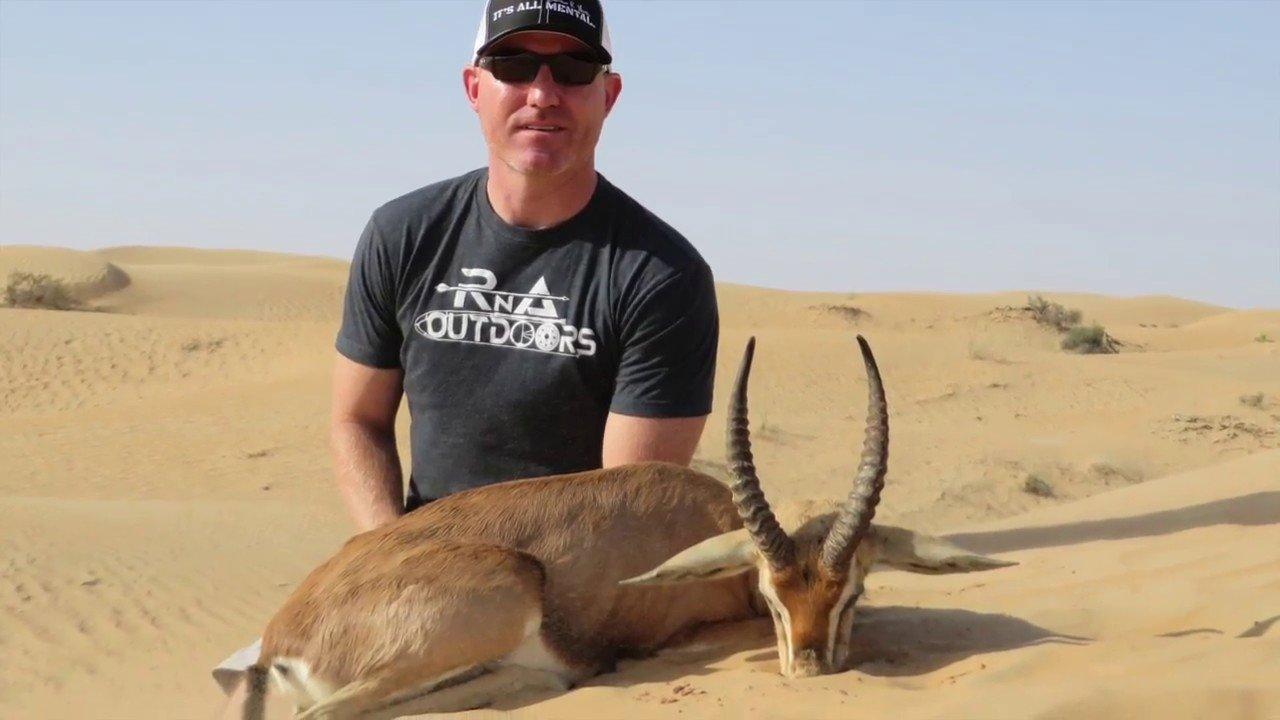
Desert Gazelle Hunting Advisors: Ethics and Legality of Hunting in Arid Regions. Guide to Responsible Hunting of Desert Gazelles: Population Conservation and Law Enforcement This article focuses on important aspects of hunting desert gazelles (including Gazella dorcas and other species found in arid regions), with an emphasis on ethical standards, environmental requirements, and compliance with legislation. Important! Gazelle hunting is restricted or prohibited in many regions due to population decline. Before planning a hunt, make sure that it is legal and follow all the rules. Geographical and Natural Features of the Region in Terms of Hunting: Desert gazelles inhabit the arid regions of Africa and Asia, characterized by: - Deserts and semi-deserts: Rocky and sandy plains with sparse vegetation. - Extreme climate: High temperatures, low rainfall and limited water resources. - Migrations: Gazelles make seasonal migrations in search of water and food. Hunters and Demographics of the

Post: 5 July 12:04
Discover Dornod Province: geography and nature of Eastern Mongolia, impact of hunting tourism, demographics, associations and clubs, laws

Dornod Province, located in the

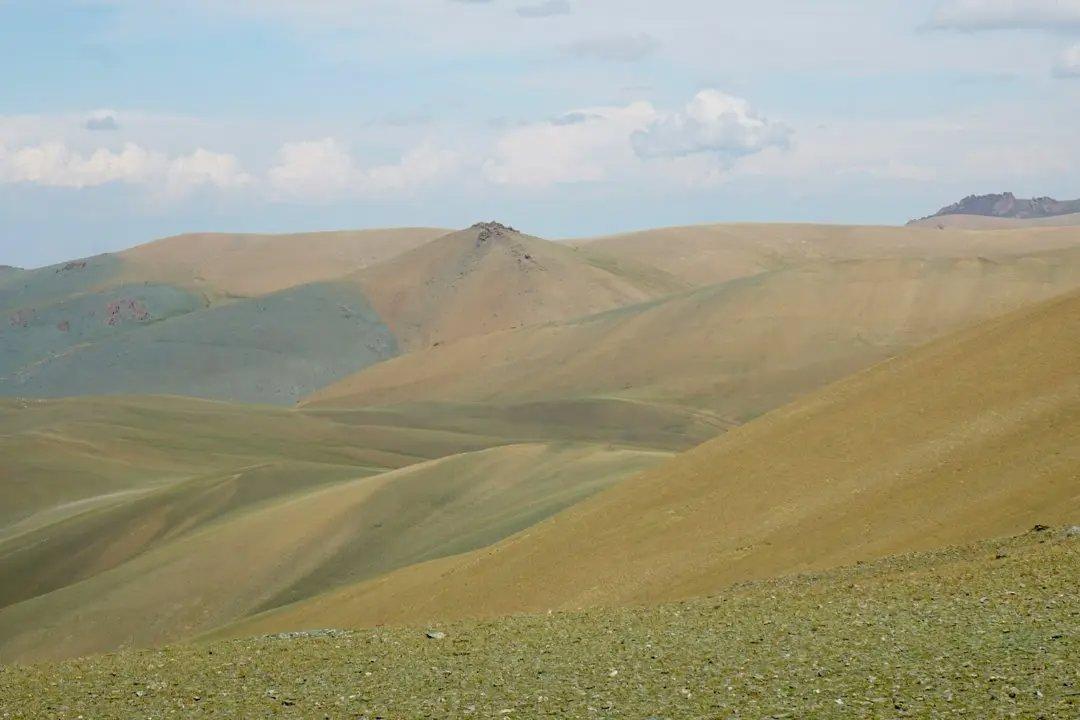
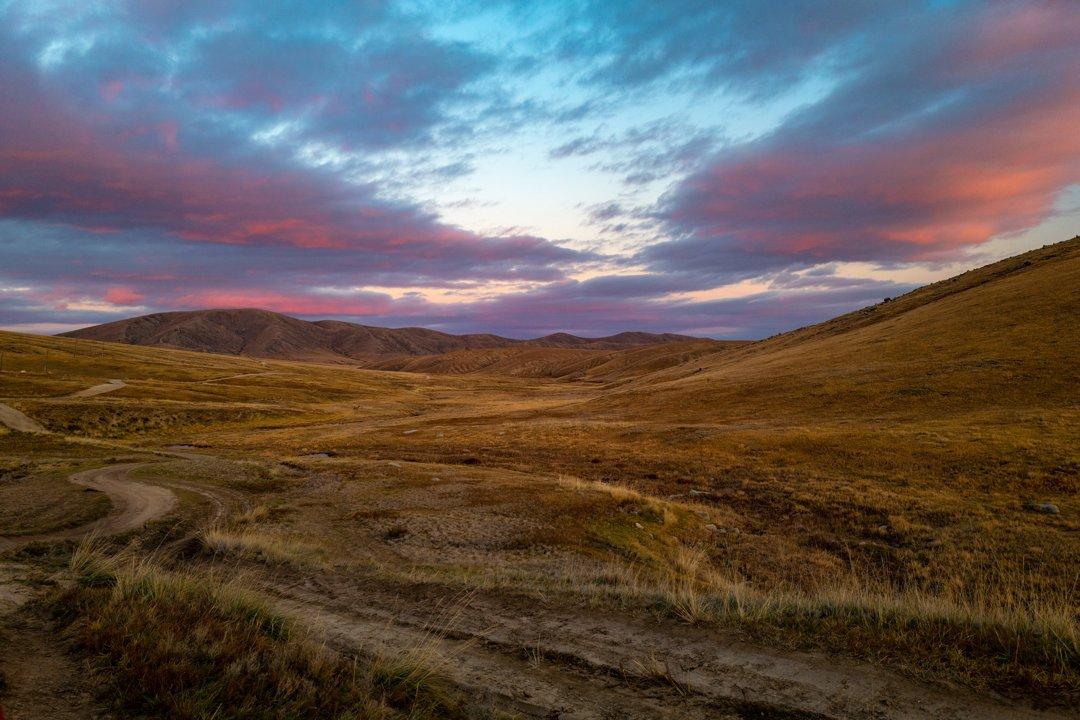
Discover Dornod Province: geography and nature of Eastern Mongolia, impact of hunting tourism, demographics, associations and clubs, laws Dornod Province, located in the far eastern corner of Mongolia, is a hidden gem for hunters seeking a unique and remote experience. Known for its vast steppes, pristine lakes, and rich biodiversity, Dornod offers a hunting experience unlike any other in Mongolia. Dornod Province is home to a variety of game species, many of which are highly sought after by hunters. The region’s unique ecosystem, which includes grasslands, wetlands, and forests, supports a diverse range of wildlife. Here are the primary species hunted in Dornod: The Mongolian gazelle, also known as the white-tailed gazelle, is one of the most iconic animals of the eastern steppes. These gazelles are known for their speed and agility, making them a challenging and rewarding target for hunters. Gazelle hunting is typically conducted during the autumn months (August to November) when t

Post: 30 May 11:49

Dornogovi Province: Demographics, Associations and Clubs, Laws and Hunting Seasons, Legislation

Dornogovi Province, located in southeastern Mongolia, offers unique hunti

Dornogovi Province: Demographics, Associations and Clubs, Laws and Hunting Seasons, Legislation Dornogovi Province, located in southeastern Mongolia, offers unique hunting experiences amidst its vast deserts and rugged terrains. For hunters seeking adventure, understanding the local wildlife, hunting regulations, and the impact of hunting tourism on the region is essential. Big Game Hunting in Dornogovi: Mongolian Gazelle and Gray Wolves In Dornogovi, hunters can pursue several notable species: Gray Wolf: Known for their resilience, wolves are prevalent in Mongolia. Hunting them is permitted year-round without a specific hunting ticket or permit, as they are often hunted to manage their population and protect livestock. Mongolian Gazelle (Dzeren): These swift animals roam the plains of Dornogovi. The hunting season for gazelles typically runs from August 1 to March 1. Corsac Fox: This small fox species is native to the steppes of Mongolia. While specific hunting seasons may vary, it

Post: 6 June 11:46

Orkhon Province: Demographics, Communities, Associations and Clubs, Laws and Hunting Seasons

Nestled in the heart of Mongolia, Orkhon Province is a region that seamlessl

Orkhon Province: Demographics, Communities, Associations and Clubs, Laws and Hunting Seasons Nestled in the heart of Mongolia, Orkhon Province is a region that seamlessly blends history, culture, and untamed wilderness. While it may not be the first destination that comes to mind for international hunters, this province offers a unique and rewarding hunting experience. With its diverse landscapes, rich biodiversity, and proximity to Mongolia’s historical landmarks, Orkhon has quietly become a hidden gem for those seeking adventure off the beaten path. Mongolian Gazelle Hunting: A Challenging Pursuit on the Steppes Orkhon’s varied ecosystems—ranging from rolling steppes and river valleys to forested hills—support a wide array of wildlife. Hunters in this province focus on several key species, each offering its own allure: The Mongolian gazelle, or "dzeren," is one of the most iconic species in the region. These graceful antelopes roam the vast steppes, relying on their speed and agil

Post: 11 June 14:33

Explore the challenges and ethics of desert <strong>gazelle</strong> hunting in the Dakhla region, Morocco. Understand the unique environment and responsible pursuit of t

Explore the challenges and ethics of desert gazelle hunting in the Dakhla region, Morocco. Understand the unique environment and responsible pursuit of this elusive game. Hunting the desert gazelle (Gazella dorcas) in the Dakhla region of Morocco presents a unique challenge, demanding respect for a fragile ecosystem and a commitment to ethical hunting practices. This article explores the specific features of Dakhla relevant to pursuing this iconic desert animal. Geographical and Natural Features for Hunting: Dakhla's environment is defined by: Extreme Aridity: The hyper-arid Sahara Desert dominates the landscape. Rainfall is exceptionally rare, creating a harsh and unforgiving environment. Rocky Plateaus (Hamada): Vast, flat expanses of rock and gravel characterize much of the region. This sparse terrain offers little cover for either hunter or prey. Sand Dunes (Erg): Patches of sand dunes exist, providing localized microhabitats with slightly more vegetation. Coastal Influence: The

Post: 3 July 09:40

Sahara Desert & Coastal Bird Hunting in Morocco 2025: Game, Regions, Strategy

Morocco’s hunting potential goes far beyond the Atlas Mountains. The Sahara Desert and coas

Sahara Desert & Coastal Bird Hunting in Morocco 2025: Game, Regions, Strategy Morocco’s hunting potential goes far beyond the Atlas Mountains. The Sahara Desert and coastal wetlands offer distinct opportunities for hunters targeting desert-adapted game and migratory birds. If you’re looking for rare trophies and diverse terrain, these zones deliver. --- 📍 Sahara Desert Hunting: Barbary Gazelle & Desert Fox The Moroccan Sahara — especially near Merzouga and the Draa-Tafilalet region — is home to elusive desert species: • Barbary Gazelle: Fast, alert, and adapted to harsh terrain. Spot-and-stalk hunting across rocky outcrops and dunes. • Desert Fox: Nocturnal predator, hunted with thermal optics or bait setups. • Sand Hare & Desert Birds: Secondary targets during multi-day hunts. Terrain: Sand dunes, dry wadis, rocky plateaus. Climate: Daytime heat (30–40°C), nighttime cold (5–10°C). Gear: Lightweight boots, hydration packs, sun protection, long-range optics. Access: Fly into Erra

Post: 22 October 23:53

Selenge Province: Demographics, Associations and Clubs, Laws and Hunting Seasons, Hunter Community

Selenge Province, located in northern Mongolia,is a dream destination

Selenge Province: Demographics, Associations and Clubs, Laws and Hunting Seasons, Hunter Community Selenge Province, located in northern Mongolia,is a dream destination for hunters looking for diverse game and breathtaking landscapes. It is definitely for hunters seeking diverse game species amidst stunning natural landscapes. This region offers unique hunting experiences that attract enthusiasts from around the world. The Advantages of Hunting in Selenge: Diverse Landscapes and Abundant Game Hunters in Selenge Province can pursue a variety of game, including: Gray Partridge: Similar to its European counterpart but more robust, this bird thrives in the region's plains and hills. The optimal period is from late August to mid-October, coinciding with favorable weather conditions and animal activity. Black-Billed Capercaillie: Found in forested areas, these birds are known for their elusive nature and are considered prized game. Mongolian Gazelle (Dzeren): These graceful animals gather

Post: 5 June 17:38

Explore Louga’s Hunting Scene: Laws and Legislation, Demographics. Antelopes, Deserts, and Traditions

The Louga Department in Senegal offers a unique hunting experience,

Explore Louga’s Hunting Scene: Laws and Legislation, Demographics. Antelopes, Deserts, and Traditions The Louga Department in Senegal offers a unique hunting experience, blending the stark beauty of the Sahelian landscape with rich wildlife and well-regulated hunting practices. Located in the northern part of the country, Louga is known for its semi-arid plains, desert ecosystems, and seasonal wetlands, creating a unique habitat for wildlife adapted to harsh conditions. The region is part of the Sahel, a transitional zone between the Sahara Desert and the savannas of sub-Saharan Africa. This environment supports a variety of species, particularly those that thrive in dry climates. Ferlo North Wildlife Reserve: A Sanctuary for Wildlife The Ferlo North Wildlife Reserve is a highlight of the region, offering a sanctuary for antelopes, gazelles, and other desert-adapted animals. The reserve’s vast open spaces and sparse vegetation make it an ideal location for spotting and tracking game.

Post: 3 July 14:02

Best Hunting Regions in Morocco: Game, Seasons, Gear & Strategy

Morocco is emerging as a top-tier hunting destination in North Africa. With over 150,000 hectares of excl

Best Hunting Regions in Morocco: Game, Seasons, Gear & Strategy Morocco is emerging as a top-tier hunting destination in North Africa. With over 150,000 hectares of exclusive hunting rights across mountains, plains, and desert, the country offers rare trophy species and rugged terrain ideal for spot-and-stalk and driven hunts. --- 📍 Top Hunting Regions & Target Species High Atlas Mountains (Beni-Mellal region) • Barbary Sheep (Aoudad): Morocco’s flagship trophy. Found in steep, rocky terrain. Long-range shooting and physical endurance required. • Wild Boar: Dense forest zones allow for driven hunts or stalking. Often combined with Aoudad trips. Eastern Morocco (Tafoughalt Mountains, near Oujda) • Dorcas Gazelle: Desert-adapted, elusive, and fast. Requires precision shooting and terrain knowledge. • Note: This region is remote but accessible via Oujda Airport. Outfitters provide secure logistics. Northern Morocco (Rabat–Tangier corridor) • Partridge, Dove, Quail: Agricultural

Post: 22 October 09:03

Bayankhongor Province: A Premier Hunting Destination in Southern Mongolia, Demographics, Associations and Clubs, Laws and Hunting Seasons

Nestled in the heart of souther

Bayankhongor Province: A Premier Hunting Destination in Southern Mongolia, Demographics, Associations and Clubs, Laws and Hunting Seasons Nestled in the heart of southern Mongolia, Bayankhongor Province offers a distinctive and thrilling hunting experience that combines rugged landscapes, rich biodiversity, and a deep-rooted cultural connection to nature. Known for its vast steppes, majestic mountains, and diverse wildlife, this region has become a sought-after destination for hunters seeking adventure and authenticity. Hunting Seasons in Bayankhongor: When to Hunt Argali, Ibex, and Gazelles Bayankhongor is home to a wide variety of game species, many of which are native to Mongolia’s arid and semi-arid ecosystems. Among the most popular targets for hunters are: Argali Sheep (Ovis ammon): The argali, or Marco Polo sheep, is one of the largest wild sheep species in the world and a prized trophy for international hunters. With their impressive spiral horns and elusive nature, these an

Post: 6 June 11:47

Guardians of the Desert: Anti-Poaching Efforts in Mali’s Adrar des Ifoghas Amid Conflict and Conservation Challenges

Nature’s Blueprint: Geographical Insights for Hunter

Guardians of the Desert: Anti-Poaching Efforts in Mali’s Adrar des Ifoghas Amid Conflict and Conservation Challenges Nature’s Blueprint: Geographical Insights for Hunters The Adrar des Ifoghas, a rugged mountain range in the Kidal Region of northeastern Mali, is a unique and ecologically significant area. Known for its ancient rock art, sparse vegetation, and rare desert wildlife, the region faces significant threats from poaching and illegal wildlife trafficking. Despite its remote location and ongoing security challenges, efforts to combat poaching in Adrar des Ifoghas have been undertaken by local communities, international organizations, and government agencies. This article explores the current state of anti-poaching efforts in the region, the challenges faced, and the progress made. The Threat of Poaching in Adrar des Ifoghas Poaching in Adrar des Ifoghas primarily targets endangered species such as the Dorcas gazelle and other desert-adapted wildlife. The region’s remoteness a

Post: 2 July 19:38

Chasse dans l'Atlas Marocain : Guide Pratique pour Chasseurs Avertis

L'Atlas marocain : un nom qui évoque des paysages grandioses, une faune sauvage fascinante et, pour

Chasse dans l'Atlas Marocain : Guide Pratique pour Chasseurs Avertis L'Atlas marocain : un nom qui évoque des paysages grandioses, une faune sauvage fascinante et, pour les chasseurs, une aventure hors du commun. Mais avant de vous lancer, voici un aperçu concret de ce qui vous attend. Informations Générales Biodiversité : L'Atlas abrite une faune variée, comprenant le sanglier, le lièvre, la perdrix, le mouflon à manchettes (une espèce emblématique), et parfois même la gazelle de montagne dans les zones les plus reculées. Réglementation : La chasse au Maroc est strictement réglementée. Il est impératif de se procurer un permis de chasse auprès des autorités compétentes (généralement via une agence de chasse locale) et de respecter les périodes d'ouverture et de fermeture pour chaque espèce. Saisons : La saison de chasse s'étend généralement de septembre à février, mais cela peut varier en fonction des espèces et des régions. Spécificités de la Chasse dans l'Atlas Terrain : L'At

Post: 8 March 00:11

Ethiopia: May trophies

The more trophies a hunter has in his trophy arsenal, the greater the desire to look for new, unusual and rare species.

The more difficult, but i

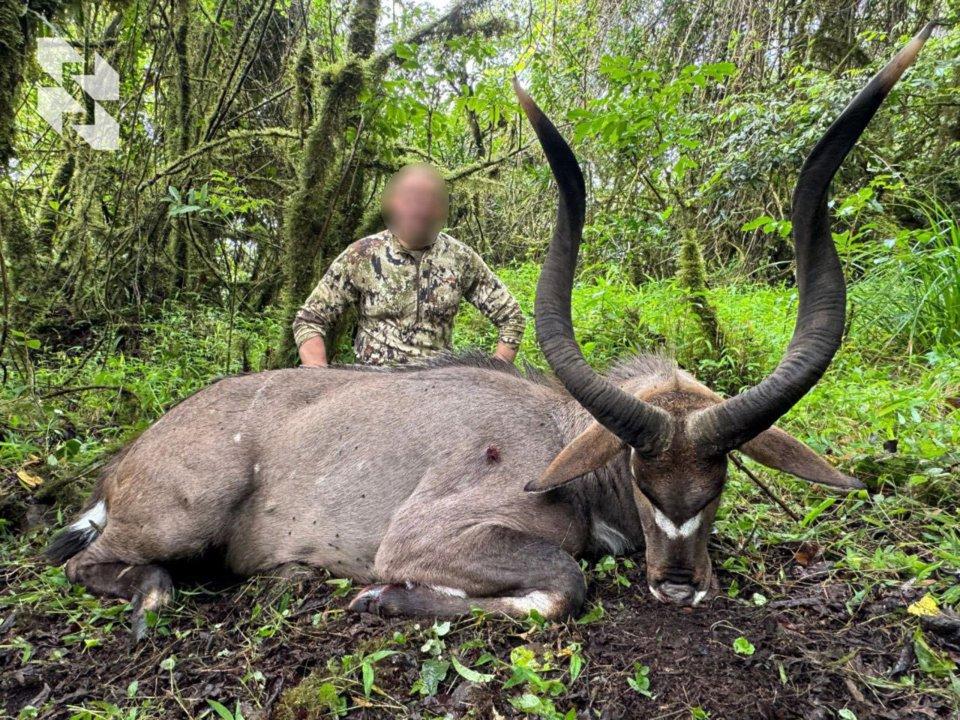
Ethiopia: May trophies The more trophies a hunter has in his trophy arsenal, the greater the desire to look for new, unusual and rare species. The more difficult, but interesting the trips for them. ❓ How many times in a lifetime can you go to 🇳🇦 Namibia or 🇿🇦 South Africa for antelopes? Certainly several, thanks to their availability. ❗️But let's take 🇪🇹 Ethiopia, for example. A gorgeous hunting destination! The nature is incredibly beautiful: mountains, valleys, savannas, and all these areas are filled with the most treasured, unique, rare animals: mountain nyalas, Abyssinian bushbucks and kudu, lions (!) and mountain leopards, giant forest pigs, gerenuk, dik dik, gazelles and everything! 💫 This is a trip to a hunting paradise! And most likely, it will happen to you one day. But if it does, it will remain unique and unforgettable! And here you definitely can't miss the organizer. 🏹 Stalker will select a program for you that is optimal for trophies and areas. We will ord

Post: 16 May 08:54

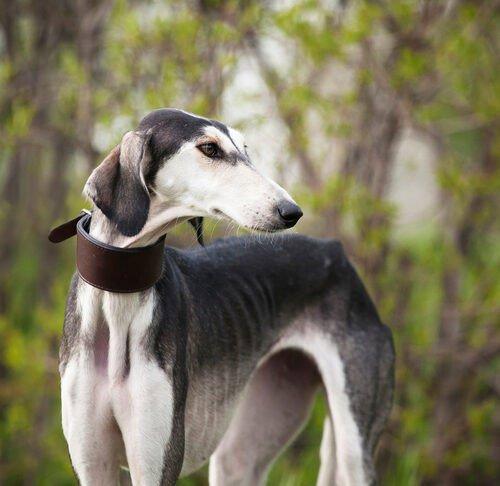
The Saluki: An Ancient Hunting Dog with Timeless Skill

The Saluki, one of the oldest known dog breeds, is a sighthound bred for pursuing game across vast terrains. For c

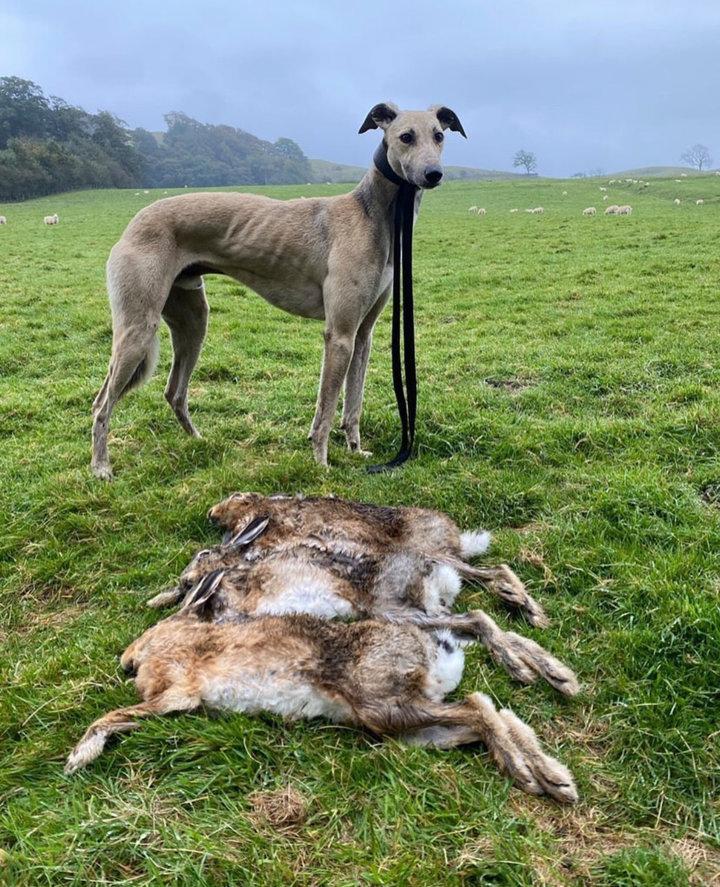
The Saluki: An Ancient Hunting Dog with Timeless Skill The Saluki, one of the oldest known dog breeds, is a sighthound bred for pursuing game across vast terrains. For centuries, they've been prized hunting companions, especially where speed and endurance are paramount. What Can a Saluki Hunt? Salukis excel at hunting: Hare & Rabbit: Their speed and agility make them formidable in open areas. Gazelle & Antelope: In some regions, Salukis are traditionally used for larger game (though ethical considerations are important). Fox: Their endurance allows them to keep pace with foxes over long distances. Birds: Some hunters use them for flushing birds, though this isn't their primary strength. Where Are They Found Hunting? Middle East: Their origin and still commonly used in countries like Iran, Saudi Arabia, and other Gulf states. North Africa: They are found hunting in open areas of North African countries. Europe: Increasingly popular in Europe for lure coursing and hunting wher

Post: 28 June 20:28

African Hunting <strong>Gazette</strong> 

Africa and North America's premier quarterly hunting magazine. While Africa is the dream hunting destination, with a range of s

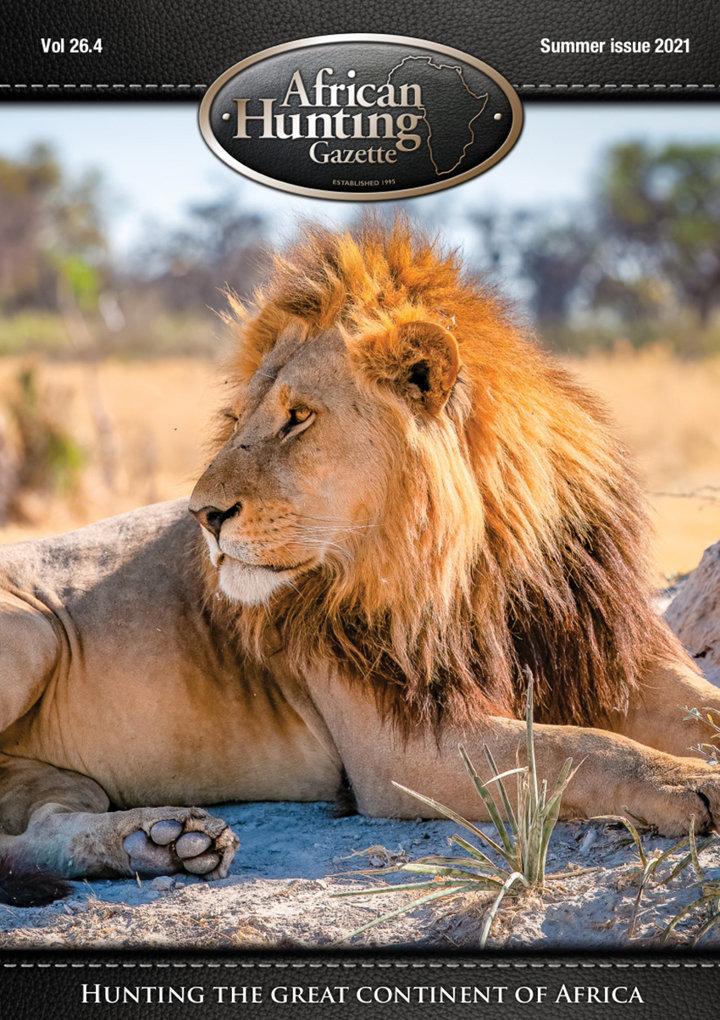
African Hunting Gazette Africa and North America's premier quarterly hunting magazine. While Africa is the dream hunting destination, with a range of species that no other continent can offer, there is a range of issues and information that potential visitors need to know, and we hope that our website and magazine helps you answer those questions. It is an invaluable resource to the prospective African hunter. The magazine is distributed in over 40 countries, with a strong presence in Africa, North America, Europe, and Australia. Published quarterly, a quality journal presenting all aspects of hunting available in Africa. The traditions and tales, the professional hunters of today, and the legends of yesteryear. Reporting on the places to go, the sport available and all the equipment to use. Special African Hunting Gazette editions focusing on specific regions or species, such as "East African Safaris" or "Big Five Hunting," consistently outperform regular issues, with sales surging

Post: 29 January 12:07

Nechisar National Park Hunting: Your Ultimate Guide to Spectacular Geography, Prime Hunting Seasons, and Timeless Traditions – Discover Ethiopia’s Natural Treasures

Nech

Nechisar National Park Hunting: Your Ultimate Guide to Spectacular Geography, Prime Hunting Seasons, and Timeless Traditions – Discover Ethiopia’s Natural Treasures Nechisar National Park, located in the Southern Nations, Nationalities, and Peoples' Region (SNNPR) of Ethiopia, is a unique destination for hunters seeking a blend of adventure and natural beauty. This article delves into the key aspects of Nechisar National Park hunting, from geography to legislation, providing actionable insights for both novice and seasoned hunters. Geographical and Natural Features Nechisar National Park spans approximately 514 square kilometers and is situated between the Abaya and Chamo lakes. The park's diverse ecosystems include savannah grasslands, acacia woodlands, and riverine forests. The "Bridge of God," an isthmus separating the two lakes, offers stunning views and unique hunting opportunities. The park's terrain is relatively flat, making it accessible for hunters. The presence of water bodies ensures a rich biodiversity, attracting various game species. The climate is typically tropical, with a dry season from October to March, which is ideal for hunting activities. Hunting Specifics Hunting in Nechisar National Park is regulated and requires permits from the Ethiopian Wildlife Conservation Authority (EWCA). The park is home to several game species, including: - Grant's gazelle - Swayne's hartebeest - Burchell's zebra - Greater kudu - Bushbuck Hunting is typically conducted on foot or using vehicles, depending on the terrain and the species targeted. Local guides are often employed to assist hunters in navigating the park and tracking game. Hunters and Demographics Exact data on the number of hunters visiting Nechisar National Park is scarce. However, the park attracts a mix of local and international hunters. International hunters primarily come from Europe and North America, drawn by the unique species and the challenge of hunting in a less commercialized environment. Types of Hunting The primary types of hunting in Nechisar National Park include: 1. Trophy Hunting: Focused on obtaining game species with impressive horns or antlers, such as the Greater kudu and Swayne's hartebeest. 2. Meat Hunting: Targeting species like Grant's gazelle and Burchell's zebra for their meat. 3. Conservation Hunting: Regulated hunting aimed at controlling populations of certain species to maintain ecological balance. Hunting Seasons The hunting season in Nechisar National Park typically aligns with the dry season, from October to March. This period offers better visibility and easier tracking due to the sparse vegetation. Hunting is prohibited during the wet season to allow for wildlife breeding and habitat recovery. Hunting Associations and Clubs There are no prominent hunting associations or clubs specifically based in Nechisar National Park. However, international hunting organizations often collaborate with local guides and outfitters to organize hunting expeditions. The Ethiopian Wildlife Conservation Authority oversees all hunting activities and ensures compliance with regulations. Hunting Legislation Hunting in Nechisar National Park is strictly regulated. Key legal requirements include: - Permits: All hunters must obtain a permit from the EWCA. - Species Quotas: Specific quotas are set for each game species to prevent overhunting. - Weapon Regulations: Only certain types of firearms and ammunition are allowed. - Guides: Hunters must be accompanied by licensed guides. Violations of these regulations can result in hefty fines and revocation of hunting privileges. Hunting Traditions Hunting has a long history in Ethiopia, often intertwined with cultural practices. In the Nechisar region, traditional hunting methods using spears and bows have largely been replaced by modern firearms. Interesting Facts 1. Endemic Species: Nechisar National Park is home to several endemic species, making it a unique hunting destination. 2. Conservation Success: The park has seen successful conservation efforts, particularly for the Swayne's hartebeest, which was once on the brink of extinction. 3. Scenic Beauty: Beyond hunting, the park offers breathtaking landscapes, including the "Bridge of God" and the picturesque lakes. Nechisar National Park offers a unique and regulated hunting experience amidst stunning natural beauty. With its diverse game species, clear hunting seasons, and strict legal framework, it provides both challenge and reward for hunters. Whether you are a trophy hunter or a conservation enthusiast, Nechisar National Park is a destination worth exploring.

Post: 10 July 06:39

Sikasso’s Shaded Wilderness: Unveiling the Secrets of Forest Hunting in Mali’s Southern Biodiversity Haven

The Sikasso Region, located in southern Mali, is a haven for h

Sikasso’s Shaded Wilderness: Unveiling the Secrets of Forest Hunting in Mali’s Southern Biodiversity Haven The Sikasso Region, located in southern Mali, is a haven for hunters seeking adventure in one of West Africa’s most biodiverse forested areas. Known for its dense woodlands, rolling hills, and abundant wildlife, Sikasso offers a unique hunting experience shaped by its geography, culture, and strict conservation regulations. This article provides a comprehensive guide to forest hunting in the Sikasso region, covering everything from game species and seasons to legal requirements and cultural traditions. Nature’s Blueprint: Geographical Insights for Hunters The Sikasso Region spans approximately 71,790 square kilometers and is characterized by: Forested Ecosystems : Dense savanna woodlands, gallery forests along rivers, and scattered grasslands create diverse habitats. Water Sources : The Sankarani River and its tributaries provide essential water for wildlife, especially during the dry season. Climate : A tropical climate with a wet season (May to October) and a dry season (November to April) influences animal behavior and hunting opportunities. Who Hunts Here? A Demographic Deep Dive Exact data on the number of hunters in the Sikasso Region is unavailable, but hunting is primarily practiced by local communities for subsistence and cultural purposes. Recreational hunting is rare and tightly controlled due to conservation priorities. Most hunters belong to ethnic groups like the Minianka, Bambara, or Senoufo, who have deep-rooted hunting traditions. Foreign hunters occasionally visit the region, typically accompanied by licensed outfitters familiar with the terrain and regulations. Characteristics of Hunting in the Sikasso Forests Hunting in Sikasso presents unique challenges and opportunities: Dense Vegetation : Thick forests and undergrowth require stealth and patience to track game. Elusive Game : Animals like duikers and bushbucks are cautious and difficult to spot. Safety Concerns : Dangerous species such as snakes and occasional predators demand caution. Local knowledge is crucial for navigating the forested terrain and understanding animal behavior. Types of Hunting and Game Animals The Sikasso forests offer several hunting opportunities: Big Game Hunting : Target species include: Bushbuck Duiker Warthog Occasionally buffalo Bird Hunting : Migratory birds like guinea fowl, francolins, and ducks are popular targets. Small Game Hunting : Rabbits, squirrels, and other small mammals are commonly hunted by locals. Reptile Hunting : Snakes and monitor lizards may be hunted under strict regulations. Nature’s Calendar: The Best Times to Hunt Mali enforces regulated hunting seasons to ensure sustainability: Big Game : December to March, when animals congregate around water sources during the dry season. Birds : October to February, targeting migratory species. Reptiles : Specific months allocated by authorities, subject to quotas. Hunter Associations and Clubs Formal hunter associations are rare in the Sikasso Region, but some organizations focus on conservation: Malian Wildlife Service (DNEF) : Oversees wildlife management and issues permits. Community Groups : Local villages often organize hunts for ceremonial purposes or food security. Hunting Legislation Hunting in the Sikasso forests is governed by strict laws to protect biodiversity: Permits : All hunters must obtain permits from the DNEF. Recreational hunting permits are limited and expensive. Protected Species : Certain species, such as elephants and lions, are fully protected and cannot be hunted. Bag Limits : Hunters are restricted to specific quotas to prevent overhunting. Penalties : Illegal hunting carries severe penalties, including fines, imprisonment, and confiscation of equipment. Echoes of the Past: Time-Honored Hunting Traditions Hunting holds cultural significance for ethnic groups in the Sikasso region: Rites of Passage : Young men often participate in hunts to demonstrate bravery and skill. Community Sharing : Meat from hunts is shared communally, reinforcing social bonds. Ceremonial Hunts : Special occasions may involve organized hunts, blending tradition with practicality. Beyond the Hunt: Surprising Facts and Stories Biodiversity Hotspot : The region is home to a wide variety of species adapted to its dense forests and riverine ecosystems. Forest Corridors : Wildlife moves between forest patches, creating predictable hunting opportunities during the dry season. Rare Trophies : Due to conservation efforts, trophies from species like the bushbuck are highly valued among hunters. Community-Led Conservation : Many villages actively combat poaching, balancing their reliance on wildlife with preservation goals. #SikassoHunting #MaliForestSafari #WestAfricanWildlife #BushbuckHunting #SustainableHunting #TropicalForestHunting #MalianWildlife #ConservationEfforts #CulturalHuntingTraditions #BigGameHunting #DrySeasonHunting #ForestEcosystems #EthicalHunting #GalleryForests #BirdHuntingAfrica #DuikerTrophy

Post: 9 July 18:33

Wild boar hunting in the Rif Mountains (Morocco): A guide for successful hunting. Explore the wild landscapes of the Reef Mountains in search of a trophy wild boar. Tips

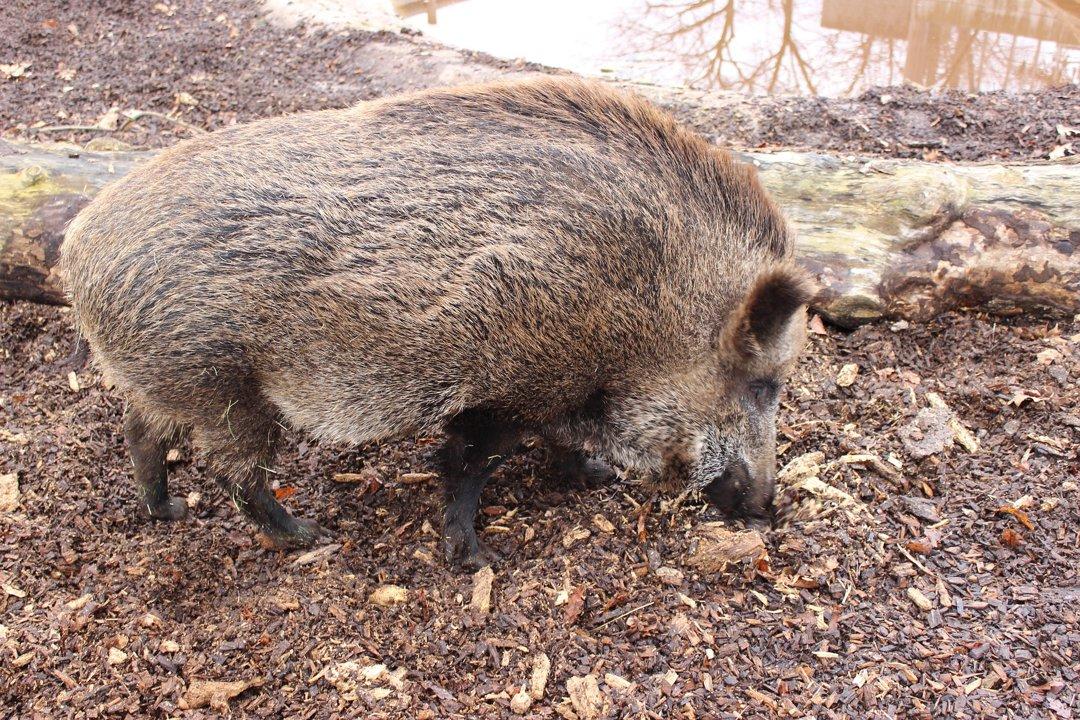
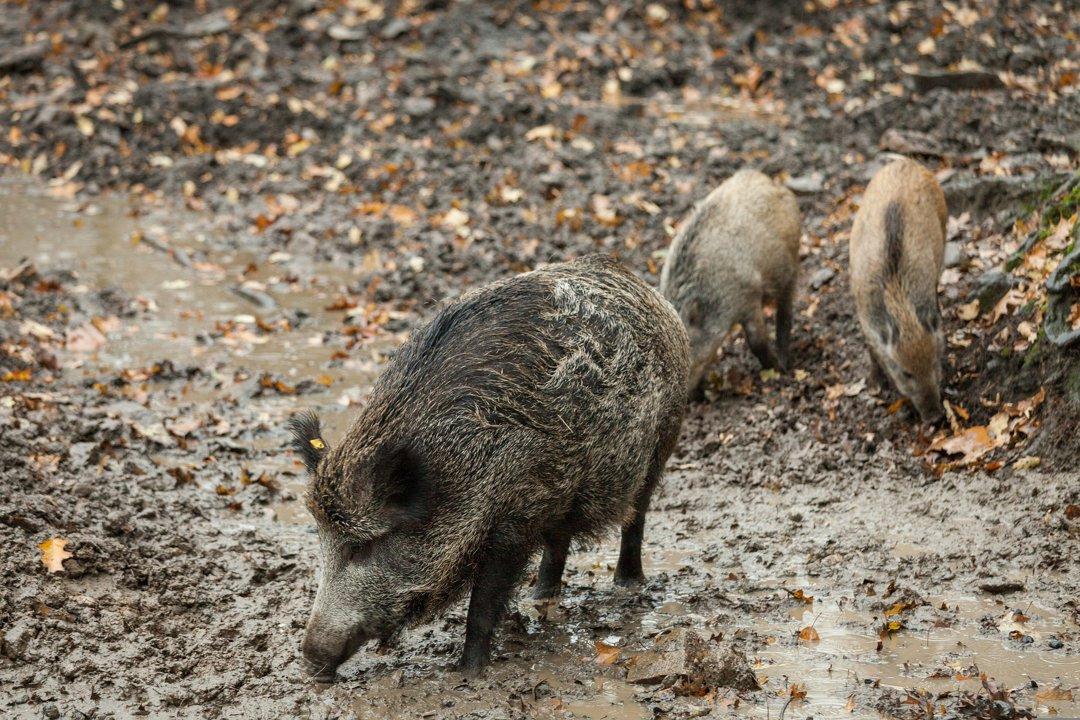
Wild boar hunting in the Rif Mountains (Morocco): A guide for successful hunting. Explore the wild landscapes of the Reef Mountains in search of a trophy wild boar. Tips on preparation, hunting strategies and compliance with the rules in the region. Geographical and natural features of the region in terms of hunting The Rif Mountains in northern Morocco are a mountainous area with dense forests, making them an ideal habitat for wild boar and therefore an attractive region for hunters. - Terrain: Steep slopes, deep gorges and difficult terrain create a challenge for hunters, but provide shelter and protection for wild boars. Forests: Mountain forests consisting of oak, pine and other trees provide food and shelter for wild boars. - Water sources: Numerous rivers and streams provide access to water for wild boars. - Climate: Mediterranean, with wet winters and dry summers. This affects the behaviour of wild boars, especially in search of food and water. - Vegetation: Diverse vegetation, from dense forests to shrubs, creates favourable conditions for wild boars to live in. Hunters and demographics of the region Exact data on the number of hunters specializing in wild boar hunting in the Rif Mountains is not publicly available. However, we can assume the following: - Traditional Hunting: Wild boar hunting is a traditional activity for the locals living in the mountain villages. - Local hunters: Most hunters are locals who know the area and the habits of wild boars well. - Visiting hunters: The region attracts hunters from all over Morocco, as well as from abroad, who appreciate the wildlife and the opportunity to hunt in the mountains. Hunting features Boar hunting in the Rif Mountains requires good physical fitness, knowledge and skills. - Physical fitness: Moving on steep slopes and rough terrain requires good physical endurance. - Knowledge of the area: It is important to know the area, trails and habitats of wild boars well. - Survival skills: The ability to navigate the mountains, build a campfire and provide first aid can be useful. - Respect for local culture: It is important to show respect for local people and their traditions. Types of hunting in the region. Hunting animals in the region. Types of hunting: Corral hunting: The most common method of hunting wild boar in the Rf Mountains. Hunters surround the forest area and drive the wild boars towards the shooters. - Approach hunting: Requires patience from the hunter, the ability to disguise and knowledge of the habits of wild boars. - Hunting using dogs: Dogs track and chase wild boar, making it easier for hunters (requires compliance with local regulations). Hunting animals: - Wild boar: The main hunting object in the region. Hunting seasons in the region Hunting seasons in Morocco are set annually by the Ministry of Agriculture and Fisheries. Before hunting, it is necessary to clarify the current opening and closing dates for wild boar hunting. Associations and clubs of hunters in the region In Morocco, there are national and regional hunter associations that can provide information on hunting regulations, licensing and other aspects of hunting in the Rif Mountains. Hunting legislation in the region Hunting in Morocco is regulated by national legislation. This includes: - Mandatory hunting license: The license is issued after passing the appropriate procedures and exams. - Obtaining a hunting permit: For hunting in certain areas and for certain types of game, a special permit (hunter's card) is required. - Observance of hunting rules: It is necessary to observe the established hunting rules, including hunting dates, permitted hunting tools and methods of extraction. - Protection of protected species: Hunting of protected game species is strictly prohibited. The traditions of the region in terms of hunting Wild boar hunting in the Rif Mountains has its own traditions related to respect for nature and prey. Interesting facts about hunting in the region - The Rif Mountains are home to unique wild boar species adapted to mountain conditions. - Wild boar hunting helps to control the population and prevent damage to forests and crops. Boar hunting in the Rif Mountains is an exciting adventure that requires good preparation, knowledge and skills. Follow the law, respect nature and local traditions, and you can enjoy a unique hunting experience in one of the most beautiful regions of Morocco. #HuntingMorocco #MoroccoHunt #NorthAfricaHunting #TalassemtaneHunting #RifMountainsHunt #MoroccanWildlife #BigGameMorocco #SmallGameMorocco #Sahara #GazelleHunting #HuntingAfrica #MoroccanTradition #WildBoarMorocco #GameBirdsMorocco #HuntingDessert #HuntingTravelMorocco

Post: 7 July 14:08

Laws on trapping birds in the Argan forests of Morocco: A guide for hunters. Understand the legal aspects of hunting and trapping birds in the Argan Forests of Morocco. F

Laws on trapping birds in the Argan forests of Morocco: A guide for hunters. Understand the legal aspects of hunting and trapping birds in the Argan Forests of Morocco. Find out what is legal, what is forbidden, and how to hunt ethically. Important warning: This article is about laws on bird trapping, not the promotion of bird trapping. Trapping birds, especially in protected areas, is often illegal and causes damage to bird populations. The purpose of this article is to inform hunters about the current laws so that they can comply with them and hunt responsibly Geographical and natural features of the region in terms of hunting The Argan Forest in Morocco is a unique ecosystem located in the southwestern part of the country. - Argan trees: The dominant type of vegetation, providing shelter and food for many species of birds. - Atlas Foothills: A diverse landscape, including mountains, valleys, and plains. - Semi-arid climate: Characterized by hot, dry summers and mild winters. - Variety of birds: Argan forests are home to many species of birds, including migratory and endemic ones. Hunters and demographics of the region Accurate statistics on hunters and trapping of birds in Argan forests are not publicly available. - Local residents: Hunting and trapping birds have historically been part of the local culture, but are now strictly regulated. - Pest control: Bird trapping is sometimes carried out to protect crops from pests. - Conservation of biodiversity: It is important to note that the region is actively working to preserve biodiversity and protect birds. Hunting/trapping features Hunting and trapping birds in Argan forests requires knowledge of the laws and compliance with ethical standards. - Trapping permit: Trapping birds, even those that are considered pests, may require special permission. - Protected species: Trapping of protected bird species is strictly prohibited. - Use of trapping methods: The use of certain trapping methods may be illegal or unethical. Types of hunting in the region. Hunting animals in the region. - Quail hunting (if allowed): Quails can be hunted in certain areas. - Pest control (subject to permit): Some bird species may be considered pests of agricultural crops, and their capture may be permitted with the appropriate permit. Hunting seasons in the region Hunting seasons in Morocco are set annually by the Ministry of Agriculture and Fisheries. Before hunting, it is necessary to specify the current dates of opening and closing of hunting for each type of game. There is no open season for trapping all bird species. Trapping is regulated by individual permits, if it is allowed at all. Associations and clubs of hunters in the region In Morocco, there are national and regional hunter associations that can provide information on hunting regulations and licensing. Hunting legislation in the region Hunting and trapping of birds in Morocco is regulated by national legislation. - Hunting license: Hunting requires a hunting license. - Trapping permit: Trapping birds, if allowed, requires a special permit. - Protection of protected species: Trapping or hunting of protected bird species is strictly prohibited. - The Ramsar Convention: Morocco is a party to the Ramsar Convention, which protects wetlands and birds associated with these lands. Traditions of the region in terms of hunting Hunting and trapping birds were part of the local culture, but it is important to note that modern laws strictly regulate these activities. Interesting facts about hunting in the region Argan forests are home to many endangered endemic bird species. - The ecosystem of argan forests is very fragile and needs to be protected. Trapping birds in the Argan Forests of Morocco is a sensitive issue that requires strict compliance with laws and ethical standards. Whether trapping or hunting is practiced, it is always necessary to check current rules and restrictions and act responsibly so as not to harm bird populations and the environment. Conservation of biodiversity must be a priority. #HuntingMorocco #MoroccoHunt #NorthAfricaHunting #TalassemtaneHunting #RifMountainsHunt #MoroccanWildlife #BigGameMorocco #SmallGameMorocco #Sahara #GazelleHunting #HuntingAfrica #MoroccanTradition #WildBoarMorocco #GameBirdsMorocco #ArganForests #HuntingTravelMorocco

Post: 7 July 12:03

Wild boar hunting in the Sousse Valley (Morocco): A guide for hunters. Find out where and how to successfully hunt wild boar in the Sousse Valley. Explore geography, rule

Wild boar hunting in the Sousse Valley (Morocco): A guide for hunters. Find out where and how to successfully hunt wild boar in the Sousse Valley. Explore geography, rules, traditions, and tips for ethical hunting. Geographical and natural features of the region in terms of hunting The Sous Valley in Morocco, located between the High Atlas and the Anti-Atlas Mountains, is a unique region with favorable conditions for wild boar habitat and, consequently, for hunting. - The Sousse River: A source of water and vegetation that attracts wild boars. The floodplain forests and thickets along the river serve as a shelter and a place for them to feed. - Atlas Foothills: Hilly terrain with dense vegetation, providing shelter and protection for wild boars. Argan Forests: Argan forests, unique to the region, also provide food and shelter for wild boars. - Agricultural land: Fields, orchards, and plantations may attract wild boars seeking food, which may create hunting opportunities (subject to appropriate regulations). - Climate: Semi-arid, with mild winters and hot summers. This affects the behavior of wild boars and requires hunters to adapt. Hunters and demographics of the region Accurate statistics on wild boar hunters in the Sousse Valley are not publicly available. Nevertheless, we can assume: - Local hunters: Wild boar hunting is a traditional activity for residents of rural areas of the Sousse Valley. - Visiting hunters: The region attracts hunters from all over Morocco, as well as from abroad, who appreciate the diversity of the landscape and the opportunity to hunt wild boar. - Population control: Wild boar hunting is often used to control the population, as wild boars can cause damage to crops. Hunting features Wild boar hunting in the Sousse Valley has its own peculiarities: - Knowledge of the area: It is important to know the area, trails and habitats of wild boars well. Teamwork: Collective hunting, especially corral hunting, can be more effective than individual hunting. - Using dogs: Hunting dogs trained to find and chase wild boars can significantly increase the chances of success. - Safety: Boar hunting can be dangerous, so strict safety regulations must be followed when handling weapons. Types of hunting in the region. Hunting animals in the region. Types of hunting: Corral hunting: The most common method of wild boar hunting in the Sousse Valley. Hunters surround a patch of forest or shrubbery and chase the wild boars towards the shooters. - Approach hunting: Requires patience from the hunter, the ability to disguise and knowledge of the habits of wild boars. - Hunting using dogs: Dogs track and chase the boar, making it easier for hunters. Hunting animals: - Wild boar: The main hunting object in the region. Hunting seasons in the region Hunting seasons in Morocco are set annually by the Ministry of Agriculture and Fisheries. Before hunting, it is necessary to clarify the current opening and closing dates for wild boar hunting. Associations and clubs of hunters in the region In Morocco, there are national and regional hunter associations that can provide information on hunting regulations, licensing, and other aspects of hunting in the Sousse Valley. Hunting legislation in the region Hunting in Morocco is regulated by national legislation. This includes: - Mandatory hunting license: The license is issued after passing the appropriate procedures and exams. - Obtaining a hunting permit: For hunting in certain areas and for certain types of game, a special permit (hunter's card) is required. - Observance of hunting rules: It is necessary to observe the established hunting rules, including hunting dates, permitted hunting tools and methods of extraction. - Protection of protected species: Hunting of protected game species is strictly prohibited. The traditions of the region in terms of hunting Wild boar hunting in the Sousse Valley has its own traditions, including the preparation of wild boar meat dishes according to special recipes. Interesting facts about hunting in the region - Wild boar hunting helps to control the population and prevent damage to agricultural crops. The Sousse Valley is one of the few regions in Morocco where wild boar hunting is allowed. Boar hunting in the Sousse Valley can be an exciting and rewarding experience. However, it is important to remember a responsible attitude towards nature, compliance with legislation and respect for local traditions. #HuntingMorocco #SousseValley #NorthAfricaHunting #TalassemtaneHunting #RifMountainsHunt #MoroccanWildlife #BigGameMorocco #SmallGameMorocco #Sahara #GazelleHunting #HuntingAfrica #MoroccanTradition #WildBoarMorocco #GameBirdsMorocco #HuntingDessert #HuntingTravelMorocco

Post: 7 July 09:32

Hunting in the vicinity of Merja Zerga: A guide for hunters in Morocco. Learn how to combine hunting and nature conservation near Merja Zerga. Learn the rules, types of g

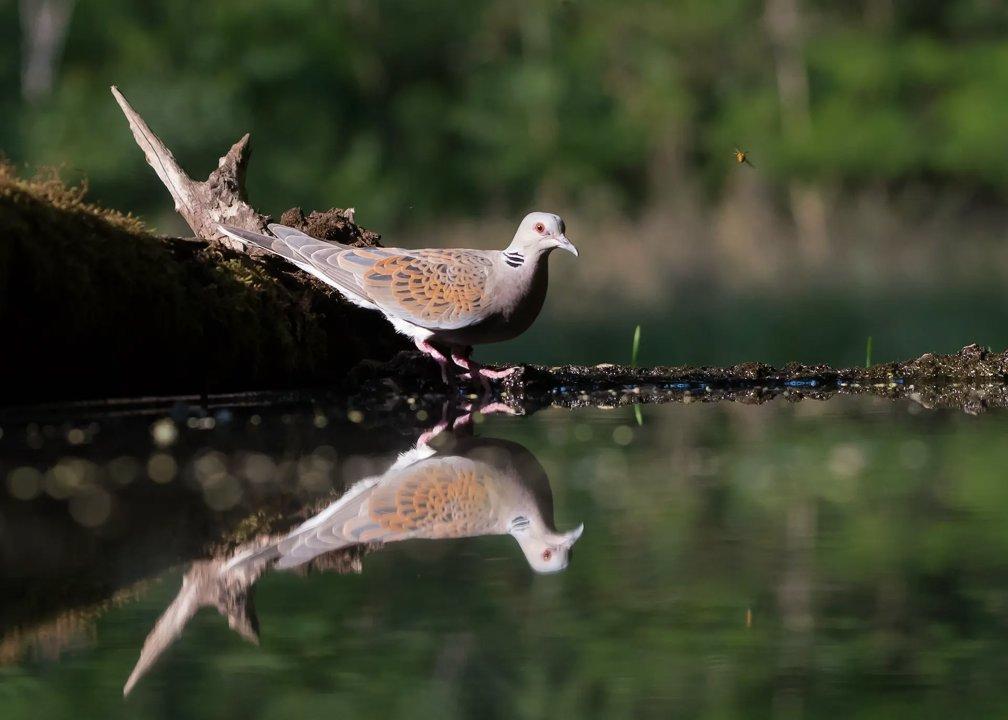
Hunting in the vicinity of Merja Zerga: A guide for hunters in Morocco. Learn how to combine hunting and nature conservation near Merja Zerga. Learn the rules, types of game, and ethical practices in this unique region of Morocco. Geographical and natural features of the region in terms of hunting Merja Zerga is an important bird sanctuary located on the Atlantic coast of Morocco, in the province of Kenitra. The reserve itself is closed for hunting, but its surroundings, subject to certain rules, may be of interest to hunters. It is important to clearly understand the boundaries of the reserve and hunt only outside it. - Merja Zerga Lagoon: A large coastal lagoon separated from the ocean by a sandbar. It is a key stopping place for migrating birds, especially waterfowl. - Surrounding agricultural land: Fields, meadows, and rice plantations surrounding the reserve may attract quails, turtle doves, and other small game. - Coastal shrubs and swamps: Provide habitat for various species of birds and small mammals. - Climate: Mediterranean, with mild winters and hot, dry summers. Hunters and demographics of the region There are no exact statistics on hunters hunting specifically in the vicinity of Merja Zerga. However, we can assume the following: - Locals: Hunting in the region is a traditional occupation for the locals living in the surrounding villages. - Visiting hunters: The area may attract hunters from other regions of Morocco who appreciate the proximity to an important ecological zone and the opportunity to hunt migratory birds. Hunting features Hunting in the vicinity of Merja Zerg requires special attention and responsibility. - Strict observance of the boundaries of the reserve: It is critically important to clearly know the boundaries of the reserve and avoid hunting on its territory. - Informed target selection: Since the region is an important bird habitat, hunters should be especially careful when choosing a target and avoid shooting at rare or protected species. - Respect for nature: Environmental pollution, damage to vegetation, or disturbance of wildlife is unacceptable. Types of hunting in the region. Hunting animals in the region. Types of hunting: - Quail hunting: The most common type of hunting in the vicinity of Merja Zerg. Quails live in agricultural fields and meadows. - Turtle dove hunting: Turtle doves are also found in the vicinity of the reserve. - Hare hunting: Hares inhabit coastal shrubs and fields. Hunting animals: - The Quail - Turtle Dove - The Hare It is important to remember that hunting waterfowl directly near Merja Zerg is likely to be restricted or prohibited in order not to disturb the birds in the reserve. Hunting seasons in the region Hunting seasons in Morocco are set annually by the Ministry of Agriculture and Fisheries. Before hunting, it is necessary to find out the current opening and closing dates of hunting for each type of game. Usually, the hunting season for quails and turtle doves opens in summer, and for hares in autumn. Associations and clubs of hunters in the region In Morocco, there are national and regional hunter associations that can provide information on hunting regulations, licensing, and other aspects of hunting in the Murja Zerg area. Hunting legislation in the region Hunting in Morocco is regulated by national legislation. This includes: - Mandatory hunting license: The license is issued after passing the appropriate procedures and exams. - Obtaining a hunting permit: For hunting in certain areas and for certain types of game, a special permit (hunter's card) is required. - Observance of hunting rules: It is necessary to observe the established hunting rules, including hunting dates, permitted hunting tools and methods of extraction. - Protection of protected species: Hunting of protected game species is strictly prohibited. The traditions of the region in terms of hunting Hunting in the region has its own traditions, which, however, may be limited by proximity to the reserve. It is important to respect local customs and take care of nature. Interesting facts about hunting in the region - The proximity to Merja Zerga makes this area particularly important in terms of biodiversity conservation. - Hunting in the region requires increased responsibility and an informed approach from the hunter. Hunting in the vicinity of Merja Zerga requires special responsibility from the hunter, knowledge of the rules and respect for nature. Remember that sustainable management of hunting resources is possible only if all legal requirements and ethical principles of hunting are met. Your goal is to enjoy hunting without harming the unique nature of this region. #HuntingMorocco #MoroccoHunt #NorthAfricaHunting #TalassemtaneHunting #RifMountainsHunt #MoroccanWildlife #BigGameMorocco #SmallGameMorocco #Sahara #GazelleHunting #HuntingAfrica #MoroccanTradition #WildBoarMorocco #MerjaZerga #HuntingDessert #HuntingTravelMorocco

Post: 7 July 05:49

Duck hunting in Kenitra (Morocco): A complete guide for hunters. Learn about the seasons, rules, and traditions. Geographical and natural features of the region 

Kenitra

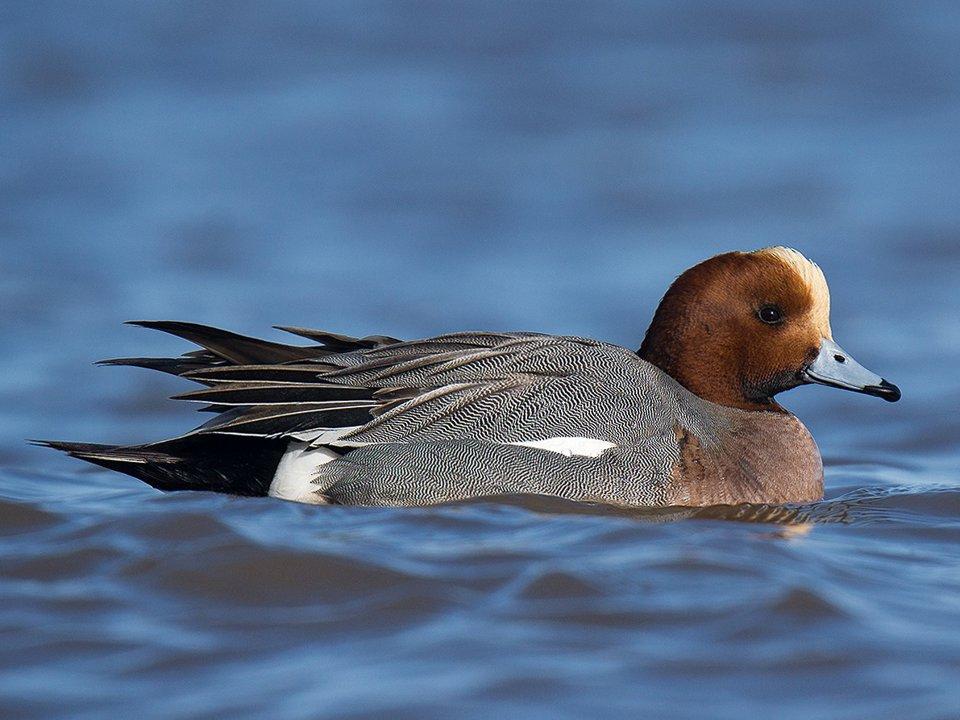
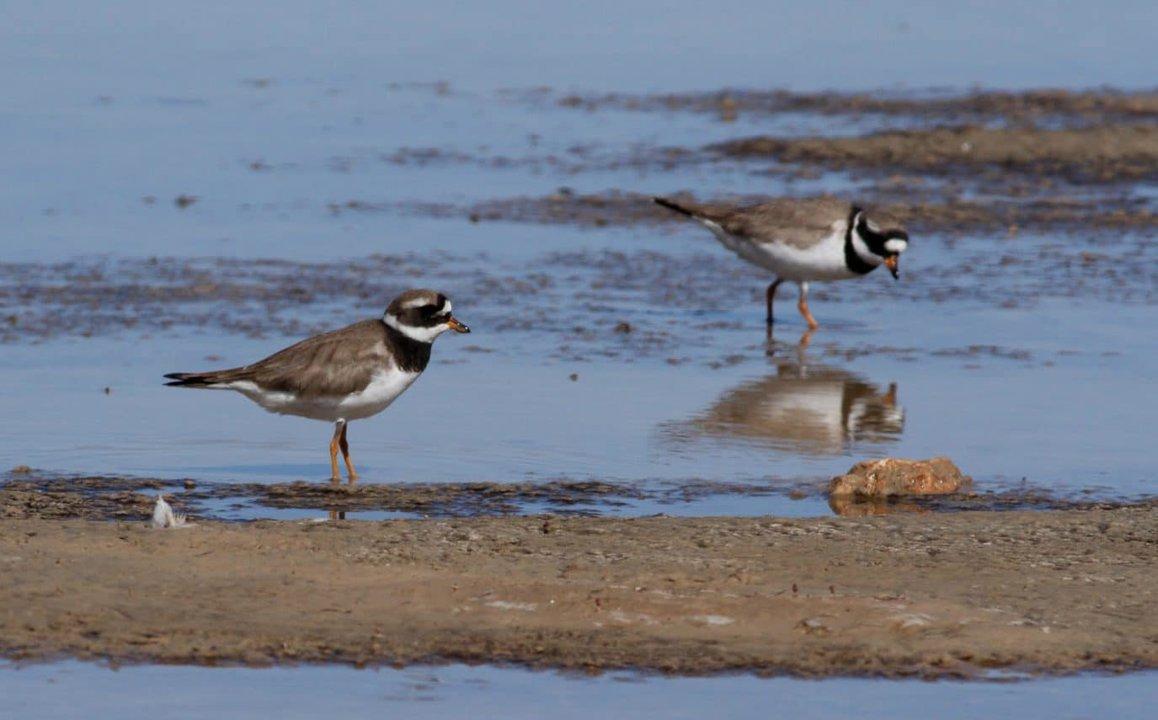
Duck hunting in Kenitra (Morocco): A complete guide for hunters. Learn about the seasons, rules, and traditions. Geographical and natural features of the region Kenitra and the surrounding areas of Morocco offer a variety of wetlands attractive for duck hunting.: - Cebu River Estuary: The wide delta of the Cebu River, which flows into the Atlantic Ocean north of Kenitra, is a crucial stopping point for migrating ducks. Shallow waters, lagoons and coastal thickets provide an excellent place for feeding and shelter. - Coastal lagoons: Numerous lagoons along the Atlantic coast provide rich feeding grounds and nesting sites. - Water meadows and rice fields: During the rainy season, these areas flood, attracting many waterfowl. - Climate: Mediterranean, with hot, dry summers and mild, humid winters. The winter months are the most favourable for hunting migrating ducks. Hunters and demographics of the region Accurate statistics on the number of duck hunters in the Kenitra area are not publicly available. However, it can be argued that: - Local hunters: Duck hunting is a traditional activity for many residents of coastal areas. - Visiting hunters: The area attracts hunters from other regions of Morocco and foreign countries. However, the number of hunters visiting may vary depending on the season. - Controlled hunting: The Moroccan authorities exercise strict control over hunting in order to conserve duck populations and other natural resources. Hunting features Duck hunting in the Kenitra area has its own peculiarities: - The need for a boat: Access to many hunting areas is only possible from a boat. - Knowledge of the tides: Given the coastal location of the land, knowledge of the tides is crucial for choosing the time of hunting and effective positions. - Stealth: Successful hunting requires stealth, the ability to disguise yourself and approach birds unnoticed. - The ability to identify duck species: Knowledge of different types of ducks, their habits and habitats increases hunting efficiency. Types of hunting in the region. Hunting animals in the region. Types of hunting: - Hunting from a boat: The most common method of duck hunting in coastal areas. - Hunting from cover: Used in flooded meadows and rice fields. - Decoy Hunting: Mimicking the sounds of ducks can attract birds within shooting distance. Hunting animals: - Various types of ducks: Mallard, whistling teal, broad-nosed, and other species. The composition of species may vary depending on the migration season. - Sandpipers (in smaller numbers): They can be hunted in certain areas. Hunting seasons in the region Hunting seasons in Morocco are set annually by the Ministry of Agriculture and Fisheries. Duck hunting is usually allowed during the winter months, when migrating birds are in the region. Before planning a hunt, it is necessary to specify the current dates of the opening and closing of the hunt. Associations and clubs of hunters in the region In Morocco, there are national and regional hunter associations that can provide information on hunting regulations, licensing and other aspects of hunting in the Kenitra area. Hunting legislation in the region Hunting in Morocco is regulated by national legislation. This includes: - Mandatory hunting license: The license is issued after passing the appropriate procedures and exams. - Production limits: There are limits on the amount of game produced. - Prohibition of hunting certain species: Hunting of rare or endangered species is strictly prohibited. - Rules for the use of weapons: There are strict rules for handling weapons. The traditions of the region in terms of hunting Duck hunting in the Kenitra area has its own traditions, often passed down from generation to generation, including the use of traditional boats and hunting methods. Interesting facts about hunting in the region - The mouth of the Cebu River is an important stop for migratory birds that fly from Europe and North Africa. - The Kenitra area is known for its biodiversity. The presence of various types of ducks makes it attractive to hunters. Duck hunting in the Kenitra area can be an exciting and productive activity. However, remember that hunting must be conducted in strict accordance with the law, with respect for nature and local traditions. Plan your hunt in advance, check out the current rules and restrictions, and enjoy this unique experience. #HuntingMorocco #MoroccoHunt #NorthAfricaHunting #TalassemtaneHunting #RifMountainsHunt #MoroccanWildlife #BigGameMorocco #SmallGameMorocco #Sahara #GazelleHunting #HuntingAfrica #MoroccanTradition #WildBoarMorocco #GameBirdsMorocco #Kenitra #HuntingTravelMorocco

Post: 6 July 14:02

Hunting in the Moulouya River Wetlands: A guide for hunters. Explore the rich biodiversity and unique hunting opportunities along the Moulouya River in Morocco: from bird

Hunting in the Moulouya River Wetlands: A guide for hunters. Explore the rich biodiversity and unique hunting opportunities along the Moulouya River in Morocco: from birds to traditions. Geographical and natural features of the region in terms of hunting The wetlands of the Moulouya River, located in the eastern part of Morocco, represent an important ecological zone and an attractive place for hunters. Geographical features that determine hunting opportunities include: - The mouth of the Muluya River: Here the river flows into the Mediterranean Sea, forming a delta with lagoons, sandy spits and brackish marshes. This area is a critical stopover for migratory birds, making it a prime location for hunting waterfowl. - Inland wetlands: Freshwater marshes, floodplain meadows, and coastal forests are found along the river. These zones support a variety of species, including various bird species as well as small mammals. - Climate: The climate in the region is Mediterranean, with hot, dry summers and mild, humid winters. This affects the migration routes of birds and determines the hunting seasons. Vegetation: Typical wetland vegetation includes reeds, reeds, sedge, and other moisture-loving plants that provide shelter and food for game. Hunters and demographics of the region, hunting features Exact figures on the number of hunters specializing in hunting in the wetlands of the Muluya River are not publicly available. However, it is safe to say the following: - Hunting as part of the culture: Hunting, especially for waterfowl, is a traditional occupation for the local people living near the Muluya River. - Local hunters: Most hunters are locals with a deep knowledge of the area and the behavior of the game. - Visiting hunters: The wetlands attract hunters from all over Morocco and abroad, especially during bird migration periods. - Limited hunting: Due to the importance of preserving biodiversity, hunting is strictly regulated and licensed. Hunting features: - The need for a guide: Due to the difficult landscape and the need to comply with environmental regulations, it is recommended to use the services of an experienced local guide. Knowledge of migration routes: Successful hunting requires knowledge of the migration routes of birds and their behavior during different periods of the year. - Environmentally responsible hunting: It is important to adhere to the principles of sustainable hunting so as not to harm game populations and the ecosystem as a whole. Types of hunting in the region. Hunting animals in the region. Hunting seasons in the region. Types of hunting: - Waterfowl hunting: The most common type of hunting in wetlands. They hunt mainly from the approach, from hiding places or using scarecrows. - Hunting quails and other small birds: Possible in meadows and fields adjacent to wetlands. Hunting animals: - Waterfowl: Ducks (mallard, whistling teal, gray duck and others), geese (gray goose), coot. - The Quail - Partridge - Hare (in the surrounding areas Hunting seasons: Hunting seasons in Morocco are set by the Ministry of Agriculture, Marine Fisheries, Rural Development and Water Resources and Forestry. It is important to specify the current dates and restrictions for specific types of game before starting hunting. As a rule, the hunting season for waterfowl opens in autumn (October-November) and lasts until the end of winter (February-March), coinciding with the periods of bird migration. The quail hunting season usually opens in summer (August-September). Associations and clubs of hunters in the region In Morocco, there are national and regional associations of hunters who protect their interests, organize training and conduct hunting events. Information about existing hunting associations and clubs in the Muluya River region can be obtained from local hunting management authorities. Legislation of the region The main provisions of the legislation: - The need for a hunting license: To practice hunting, you must have a valid hunting license, which is issued after passing the exam and paying the appropriate fees. - Obtaining a hunting permit: To hunt in certain areas and for certain types of game, you must obtain a special permit (hunter's card). - Observance of hunting rules: It is necessary to observe the established hunting rules, including hunting dates, permitted hunting tools and methods of extraction. - Production limits: There are limits on the amount of game produced. - Protection of protected species: Hunting of protected game species is strictly prohibited. The traditions of the region in terms of hunting Hunting in the Muluya River region has a long tradition of respect for nature and prey. Many local hunters pass on their knowledge and skills from generation to generation. An important element of hunting culture is the preparation of game dishes according to traditional recipes. Interesting facts about hunting in the region - The Muluya River wetlands are part of the Ramsar Convention international network of Protected wetlands. - The region is an important wintering ground for many species of European birds. - The Moroccan authorities are making efforts to preserve the biodiversity of wetlands and promote ecological tourism, including hunting tourism. Hunting in the wetlands of the Moulouya River is a unique opportunity to experience the rich nature of Morocco and test your hunting skills. It is important to remember to take a responsible attitude towards nature and comply with the law in order to preserve this valuable region for future generations. #HuntingMorocco #MoroccoHunt #NorthAfricaHunting #TalassemtaneHunting #RifMountainsHunt #MoroccanWildlife #BigGameMorocco #SmallGameMorocco #Sahara #GazelleHunting #HuntingAfrica #MoroccanTradition #WildBoarMorocco #GameBirdsMorocco #Moulouya #HuntingTravelMorocco

Post: 6 July 11:59

Grouse hunting in the Eastern region of Morocco: A complete guide to successful hunting: from geography and seasons to traditions and rules.

 Geographical and natural fe

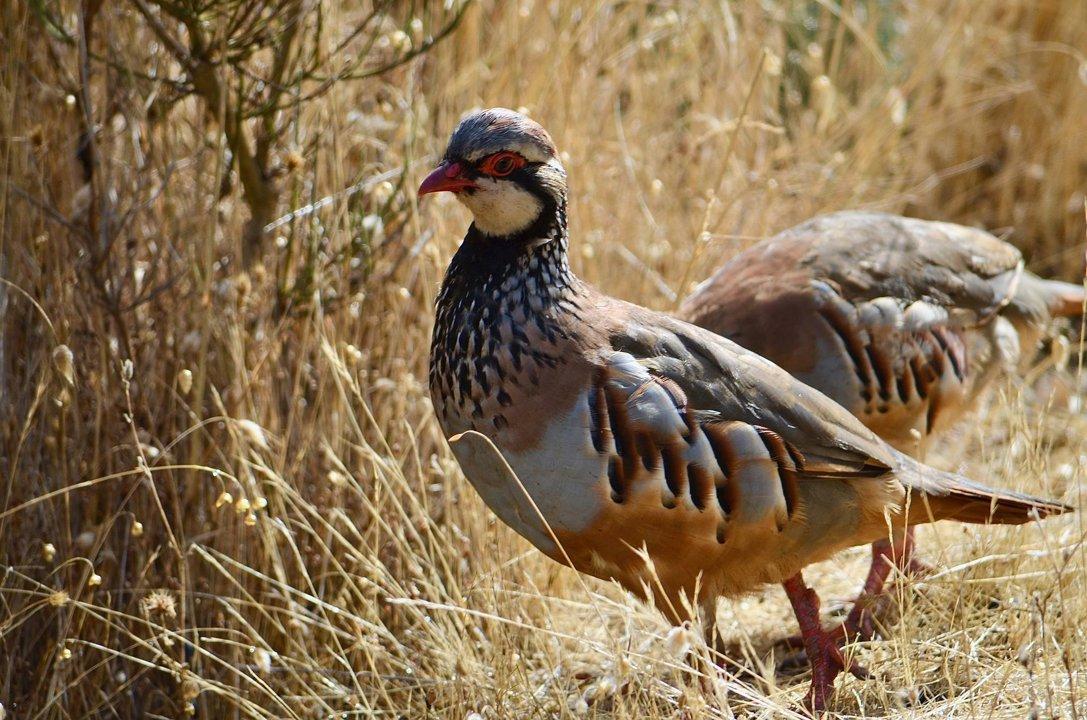
Grouse hunting in the Eastern region of Morocco: A complete guide to successful hunting: from geography and seasons to traditions and rules. Geographical and natural features of the region in terms of hunting The eastern region of Morocco is a land of contrasts, offering diverse landscapes favorable for grouse habitat and, consequently, for hunting. - High plateaus and steppes: The prevailing landscapes of the region are ideal for grouse due to the presence of open spaces with a sufficient number of shelters in the form of shrubs and low vegetation. - Foothills of the Atlas Mountains: Provide more complex terrain and diverse vegetation, creating different hunting scenarios. - Oases: They serve as important sources of water and food for birds, especially during dry periods, and may be promising hunting sites, but access to them may be limited. - Climate: Continental, with hot and dry summers and cold winters. This affects the migration and behavior of the partridge, requiring adaptation from the hunter. - Vegetation: It consists mainly of drought-resistant shrubs, grasses, and rare trees that provide shelter and food for the partridge. Hunters and demographics of the region, hunting features Access to accurate statistics on the number of grouse hunters in the Eastern region of Morocco is limited. However, the following conclusions can be drawn: - Traditional hunting: Grouse hunting is a traditional occupation for the local population, especially in rural areas. - Local hunters: Most hunters are locals with a deep knowledge of the area, bird habits, and traditional hunting methods. - Visiting hunters: The region attracts hunters from all over Morocco and abroad who appreciate the unique landscape and the opportunity to hunt wild grouse. - Regulated hunting: Grouse hunting, like other types of hunting in Morocco, is strictly regulated to ensure sustainable management of the bird population. Hunting Features: - Knowledge of the area is the key to success: Navigation over vast areas and knowledge of grouse habitats are critically important. - Using traditional methods: Many local hunters still use traditional hunting methods passed down from generation to generation. - Respect for culture: It is important to show respect for local culture and customs, especially when hunting in rural areas. Types of hunting in the region. Hunting animals in the region. Hunting seasons in the region. Types of grouse hunting: - Hunting with a police dog: The most common and effective method. An experienced police dog helps to detect a hidden partridge, providing an opportunity for a shot. - Hunting from the approach: It requires patience from the hunter, the ability to disguise themselves and a good knowledge of the terrain. - Paddock hunting (less commonly used): It can be effective in certain areas with dense vegetation, but requires the organization and coordination of several hunters. Hunting animals in the region: - Partridge (The main object of hunting): The Eastern region of Morocco is home to several species of grouse, including the North African rock grouse (Alectoris barbara barbara). - The Hare - The Fox - Wild boar (in some areas) - Quail (seasonal) Hunting seasons: Hunting seasons in Morocco are set by the Ministry of Agriculture, Marine Fisheries, Rural Development and Water Resources and Forestry. Information on the specific opening and closing dates for grouse hunting is published annually. The season usually opens in autumn (October-November) and lasts until winter (January-February). Before hunting, it is necessary to check the current deadlines and restrictions. Associations and clubs of hunters in the region In Morocco, there are national and regional hunter associations that offer various benefits to their members.: - Protection of hunters' interests. - Training and professional development. - Organization of hunting events and competitions. - Exchange of experience and knowledge. Information about the active associations and clubs of hunters in the Eastern region of Morocco can be obtained from the local hunting management authorities. Hunting legislation in the region Hunting in Morocco is strictly regulated by legislation aimed at preserving wildlife and ensuring sustainable management of hunting resources. The main provisions: - Hunting license: Necessary for hunting. To obtain a license, you must pass an exam confirming your knowledge of hunting and safety regulations. - Hunting Permit (Hunter's Card): Required for hunting in certain areas and for certain types of game, including grouse. - Compliance with hunting rules: Hunters are required to comply with established hunting deadlines, restrictions on prey, rules for the use of weapons, and other requirements. - Protection of protected species: Hunting of protected game species is strictly prohibited. Traditions of the region in terms of hunting Hunting in the Eastern region of Morocco has deep traditions passed down from generation to generation. - Respect for nature: Local hunters tend to show great respect for nature and strive for sustainable hunting. - Traditional hunting methods: Many hunters still use traditional hunting methods, combining them with modern equipment. - Hunting ethics: Compliance with the rules of fair hunting and respect for prey. - The social role of hunting: Hunting often plays an important social role in rural communities. Interesting facts about hunting in the region The eastern region of Morocco is home to unique species of partridges adapted to arid conditions. - Grouse hunting is an important source of income for some rural communities. - The Moroccan authorities are implementing programs to preserve the partridge population and develop sustainable hunting tourism. #HuntingMorocco #MoroccoHunt #NorthAfricaHunting #TalassemtaneHunting #RifMountainsHunt #MoroccanWildlife #BigGameMorocco #SmallGameMorocco #Sahara #GazelleHunting #HuntingAfrica #MoroccanTradition #WildBoarMorocco

Post: 6 July 09:50

Toubkal National Park Access: Rules of Entry for Hunters and Nature Lovers. Important Information about Access and Rules for Visiting Toubkal National Park in Morocco

Th

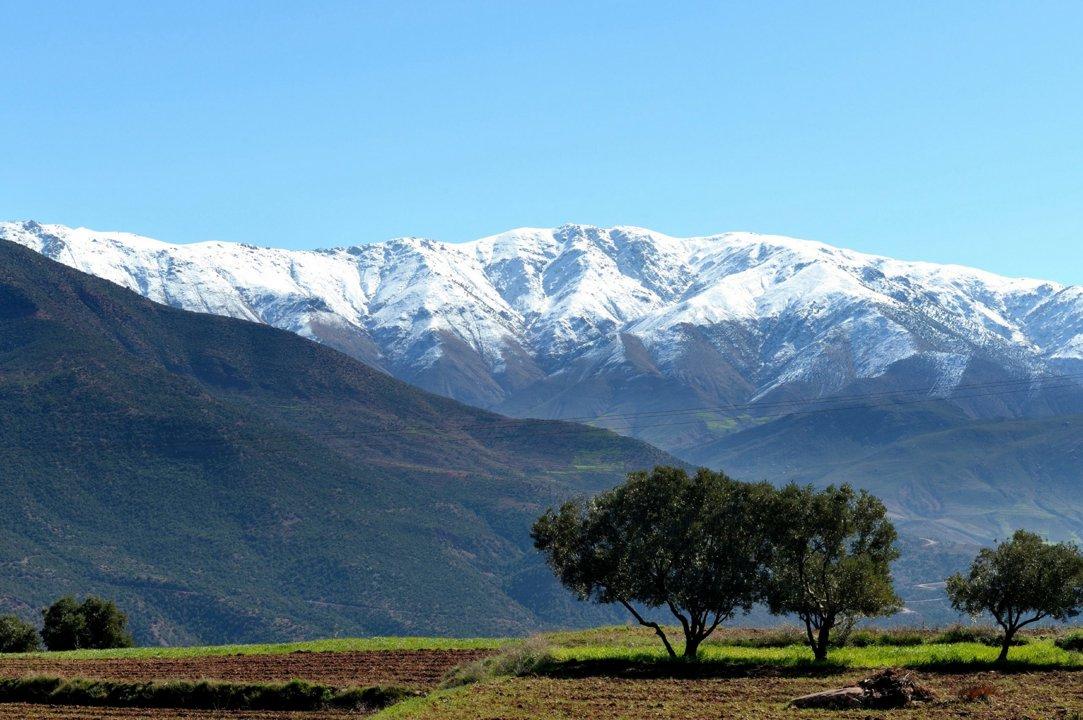
Toubkal National Park Access: Rules of Entry for Hunters and Nature Lovers. Important Information about Access and Rules for Visiting Toubkal National Park in Morocco This article is devoted to the rules of access and visiting the Toubkal National Park in Morocco, which are especially important for hunters planning activities in the vicinity of the park. Important! Hunting is PROHIBITED within the Toubkal National Park. This information is intended to ensure compliance with the rules and prevent violations. Geographical and Natural Features of the Region in Terms of Hunting: Toubkal National Park is located in the High Atlas and is characterized by: - High-altitude terrain: The highest mountain range in North Africa, including Mount Toubkal (4,167 meters), the highest point in North Africa. - Diverse landscapes: Rocky peaks, mountain valleys, gorges, rivers and lakes. - Unique flora and fauna: Home to various species of wild animals, including the Berber macaque, maned sheep, and rare birds. - Limited resources: Harsh climate and limited water and vegetation resources. Hunters and Demographics of the Region: - Hunting IS PROHIBITED: Hunting in the Toubkal National Park is strictly prohibited. - Hunting in the vicinity of the park: Hunting may be allowed outside the boundaries of the park in accordance with current legislation, but controls are particularly strict near the park. - Demographics: Berber population living in mountain villages. The main occupations are agriculture, tourism and handicrafts. Hunting Features: - Hunting is completely prohibited in the Toubkal National Park. - In the vicinity of the park: Hunting is regulated by the general hunting rules in Morocco, but increased attention is required to respect the boundaries of the park and prevent accidental entry into the park. Types of Hunting in the Region. Hunting Animals in the Region: - Inside the park: Hunting is prohibited. - In the vicinity of the park (if allowed): Subject to a license and compliance with the rules, hunting is possible: * Maned sheep (outside protected areas) * Wild boar (in low-lying areas) Hunting Seasons in the Region: - Hunting is PROHIBITED in Toubkal National Park all year round. - Outside the park: Hunting seasons are set by local authorities and published annually. It is important to check the dates with the local authorities. Associations and Clubs of Hunters in the Region: Information about hunting associations and clubs in the vicinity of Toubkal National Park is recommended to be sought through local hunting authorities or through thematic hunting forums and communities in Morocco. It is important that these organizations adhere to the principles of nature conservation and comply with the rules of the park. Hunting Legislation in the Region: - Hunting is PROHIBITED in Toubkal National Park in accordance with the Law on Protected Areas. Any violations are prosecuted. - Outside the park: Hunting is regulated by national hunting legislation, which includes: * Licensing of hunters. * Establishment of hunting seasons. * Restrictions on weapons and hunting methods. * Restrictions on the number of animals hunted. Traditions Of The Region in Terms Of Hunting: - The impact of the park: The creation of Toubkal National Park has significantly limited traditional hunting in the region. - Nature conservation: The current focus is on the conservation of biodiversity and the sustainable development of tourism. Interesting Facts About Hunting in the Region: - Toubkal National Park plays an important role in the conservation of high-altitude ecosystems and the unique fauna of the High Atlas. Strict monitoring of hunting regulations is necessary to prevent poaching and preserve wildlife. - Any hunting activity must be carried out outside the park and in accordance with the current legislation of Morocco. Toubkal Park Access and Visiting Rules (Important for all visitors, including hunters in the vicinity): •Entrance fee: An entrance fee may be charged to visit the park. - Registration: It is necessary to register at the park office before starting the route. - Guided tours: For certain routes, you may need to be accompanied by a licensed guide. - Respect for nature: It is necessary to keep clean, do not leave garbage and do not disturb the peace of wild animals. - Route compliance: It is necessary to adhere to the established routes and not deviate from them. - Bonfires: Bonfires are allowed only in designated areas. - Route notification: Hunters located in the vicinity of the park are advised to notify the park administration about their routes in order to avoid misunderstandings and ensure safety. Observing the rules of visiting Toubkal National Park helps preserve its unique nature for future generations. #HuntingMorocco #MoroccoHunt #NorthAfricaHunting #TalassemtaneHunting #RifMountainsHunt #MoroccanWildlife #BigGameMorocco #SmallGameMorocco #Sahara #GazelleHunting #HuntingAfrica #MoroccanTradition #WildBoarMorocco #GameBirdsMorocco #Toubkal #HuntingTravelMorocco

Post: 6 July 05:56

High Atlas Mouflon Hunting: Prestigious Hunting in the Peaks of Morocco. Hunter's Guide: Trophy Hunting of Maned Sheep in High Atlas
This article is about hunting maned s

High Atlas Mouflon Hunting: Prestigious Hunting in the Peaks of Morocco. Hunter's Guide: Trophy Hunting of Maned Sheep in High Atlas This article is about hunting maned sheep (Ammotragus lervia), also known as mouflons, in the Haut Atlas region of Morocco. This guide will provide information on geographical features, hunting strategies, legal aspects, and the need to conserve this unique population. Geographical and Natural Features of the Region in Terms of Hunting: The High Atlas region, the highest mountain range in North Africa, is characterized by: - Mountainous terrain: Steep slopes, deep gorges, rocky peaks and plateaus. - Arid climate: Low rainfall, especially on the southern slopes. - Sparse vegetation: Drought-adapted vegetation such as shrubs, grasses, and juniper. - High altitudes: Hunting is conducted at altitudes from 2000 to 4000 meters above sea level. These conditions create a challenging but exciting environment for hunting maned sheep. Hunters and Demographics of the Region: - Trophy Hunting: Maned sheep hunting in the High Atlas is usually trophy hunting, attracting hunters from all over the world. - Number of hunters: Due to the strict controls and high cost of hunting, the number of hunters is relatively small. Exact data is not publicly available. - Demographics: The Berber population living in mountain villages. Hunting, as such, does not have a direct impact on the economy of local residents (due to the small number and quotas of hunting). - Restrictions: Hunting is strictly regulated and licensed to ensure the sustainability of the population. Hunting Features: - Physical fitness: Hunting in the highlands requires excellent physical fitness and acclimatization to altitude. - The complexity of the approach: Maned sheep are very careful and live in hard-to-reach places. - Accurate shooting: Accurate long-range shooting is required in mountainous terrain. - The need for professional guides: Hunting usually requires experienced local guides who know the area and the habits of the animals. Types of Hunting in the Region. Hunting Animals in the Region: - Hunting maned sheep (Ammotragus lervia): The only species that is allowed to be hunted. - Method: Basically, stalking hunting using binoculars and telescopes to detect animals. Hunting Seasons in the Region: - The hunting seasons for maned sheep in the High Atlas are set by local authorities and published annually. - Hunting is usually allowed between autumn and early winter (November-December) to avoid the breeding season and extreme weather conditions. Associations and Clubs of Hunters in the Region: - Hunting organizations in Morocco (if any): They can organize the hunting of maned sheep, but in compliance with all rules and restrictions. - International hunting organizations: They can offer hunting tours in Morocco. Hunting Legislation in the Region: - Maned sheep hunting is regulated by Morocco's national legislation on hunting and wildlife conservation. - Licensing: Hunting is allowed only if you have a valid hunting license and a special permit for hunting maned sheep. - Quotas: Strict quotas have been set for the number of animals hunted. - Permitted weapons: There are restrictions on the types of weapons allowed for hunting. - Protected areas: Hunting is prohibited in national parks and reserves. - Age restrictions: As a rule, only adult males with trophy horns are allowed to be shot. Traditions Of The Region in Terms Of Hunting: - Traditional maned sheep hunting may have been part of the local culture in the past, but is currently regulated to preserve the population. - Maned sheep hunting, if allowed, should be conducted with respect for local traditions and culture. Interesting Facts About Hunting in the Region: - Hunting maned sheep in the High Atlas is a prestigious and expensive trophy hunt. - It plays an important role in financing environmental protection measures and maintaining the population of the maned sheep. - It is important to choose licensed hunting operators who adhere to the principles of sustainable hunting and cooperate with environmental organizations. - Before hunting, it is necessary to carefully study all the rules and restrictions in order to avoid violating the law and causing damage to the population of the maned sheep. We emphasize: Maned sheep hunting should be sustainable and contribute to the conservation of this unique species. Make sure that your chosen hunting operator contributes to nature conservation and works closely with local communities. #HuntingMorocco #MoroccoHunt #NorthAfricaHunting #TalassemtaneHunting #RifMountainsHunt #MoroccanWildlife #BigGameMorocco #SmallGameMorocco #Sahara #GazelleHunting #HuntingAfrica #MoroccanTradition #WildBoarMorocco #HighAtlas #HuntingDessert #HuntingTravelMorocco

Post: 5 July 14:02

Anti-Poaching Patrols in the Sahara: Protecting Wildlife in the Vast Desert. How Patrols Combat Poaching and Ensure Species Conservation in the Sahara

This article focus

Anti-Poaching Patrols in the Sahara: Protecting Wildlife in the Vast Desert. How Patrols Combat Poaching and Ensure Species Conservation in the Sahara This article focuses on the activities of anti-poaching patrols in the Sahara, their role in wildlife conservation and their importance for sustainable hunting in the region. Geographical and Natural Features of the Region in Terms of Hunting: The Sahara is the largest desert in the world, covering a vast area of North Africa. Characterized by: -Diverse landscape: Rocky plateaus, sand dunes, mountain ranges, salt marshes and rare oases. -Extreme climate: High temperatures, low rainfall, strong winds and sudden diurnal temperature fluctuations. -Limited resources: Lack of water and vegetation. Despite the harsh conditions, the Sahara is home to unique species of wild animals that are threatened by poaching. Hunters and Demographics of the Region: -Illegal hunting: Poaching is a serious problem in the Sahara, threatening populations of rare and endangered species. -Legitimate hunters: Hunting in some areas of the Sahara may be allowed if licensed and the rules are followed. -Demographics: Nomadic tribes (for example, the Tuareg) and the sedentary population living in oases. Traditionally, hunting has played an important role in the life of these communities. Hunting Features: -Difficulty of detection: The huge size of the territory and the inaccessibility make it extremely difficult to detect poachers. -Use of transport: Poachers often use off-road vehicles and helicopters to move and chase animals. -Armament: Poachers can be heavily armed and pose a danger to patrols. Types of Hunting in the Region. Hunting Animals in the Region: -Poaching facilities: Addax (Addax nasomaculatus): Endangered. Gazelle Dorcas (Gazella dorcas): A vulnerable species. Saharan cheetah (Acinonyx jubatus hecki): On the verge of extinction. Jeyran (Gazella subgutturosa marica): A vulnerable species. Ostrich (Struthio camelus): Numbers are declining. -Types of poaching: Hunting for meat. Hunting for trophies (horns, skins). Capture animals for sale to zoos and private collections. Hunting Seasons in the Region: -Poachers do not observe hunting seasons. They hunt all year round, which causes huge damage to wildlife populations. -Legal hunting (where permitted): Seasons are set by local authorities. Associations and Clubs of Hunters in the Region: -Anti-poaching organizations: International and local organizations involved in combating poaching and wildlife conservation in the Sahara. -Local communities: Oasis residents and nomadic tribes can participate in wildlife conservation and report cases of poaching. Hunting Legislation in the Region: -The fight against poaching is regulated by the national legislation of the countries in which the Sahara is located. -International agreements: CITES (Convention on International Trade in Endangered Species of Wild Fauna and Flora). -Sanctions: Poaching is prosecuted and can result in heavy fines and imprisonment. Traditions Of The Region in Terms Of Hunting: -Sustainable hunting: In the past, nomadic tribes hunted in the Sahara for food, observing certain rules and traditions so as not to harm wildlife populations. -Modern poaching: Modern poaching, using modern technology and weapons, causes enormous damage to the wildlife of the Sahara. Interesting Facts About Hunting in the Region: -Anti-poaching patrols play a vital role in preserving the Sahara's wildlife. They conduct regular raids, detain poachers, confiscate weapons, and release animals. -The work of anti-poaching patrols is fraught with great risk due to the extreme conditions and armed poachers. -The success of anti-poaching efforts depends on the support of the local population and cooperation between various organizations. -Ecotourism can become an alternative source of income for local communities, encouraging them to protect wildlife rather than poaching. #HuntingMorocco #MoroccoHunt #NorthAfricaHunting #TalassemtaneHunting #RifMountainsHunt #MoroccanWildlife #BigGameMorocco #SmallGameMorocco #Sahara #GazelleHunting #HuntingAfrica #MoroccanTradition #WildBoarMorocco #GameBirdsMorocco #HuntingDessert #HuntingTravelMorocco

Post: 5 July 05:52

Crossing Borders, Chasing Game: The Untamed Allure of Hunting in Mali and Niger’s Shared Wilderness
Cross-border hunting between Mali and Niger offers a unique opportunit

Crossing Borders, Chasing Game: The Untamed Allure of Hunting in Mali and Niger’s Shared Wilderness Cross-border hunting between Mali and Niger offers a unique opportunity to explore the rich biodiversity of West Africa’s Sahel region. However, navigating the legal, logistical, and cultural complexities of hunting across international borders requires careful planning and adherence to regulations. Nature’s Blueprint: Geographical Insights for Hunters The Mali-Niger border spans approximately 821 kilometers, traversing arid landscapes dominated by: Sahelian Savannas : Rolling grasslands and sparse acacia woodlands provide habitat for diverse wildlife. Rivers and Water Sources : The Niger River and its tributaries serve as critical water sources for animals and humans alike. Shared Ecosystems : Wildlife migrates freely between the two countries, creating opportunities for cross-border hunting. These shared ecosystems include protected areas like the W Transboundary Biosphere Reserve , which spans parts of Niger, Burkina Faso, and Benin, offering prime hunting grounds. Who Hunts Here? A Demographic Deep Dive Hunting in this border region is practiced by local communities for subsistence and cultural purposes. Exact numbers of hunters are unavailable, but most participants belong to ethnic groups like the Tuareg, Fulani, or Songhai, who have deep-rooted hunting traditions. Characteristics of Cross-Border Hunting Cross-border hunting presents unique challenges and opportunities: Regulatory Complexity : Hunters must comply with the laws of both Mali and Niger, including obtaining permits from each country. Security Concerns : The border region has experienced instability due to insurgent groups and armed conflicts, requiring hunters to coordinate with local authorities and guides. Logistical Challenges : Remote locations, limited infrastructure, and harsh environmental conditions demand thorough preparation. Experienced guides are essential for navigating these complexities and ensuring a safe and successful hunt. Types of Hunting and Game Animals The Mali-Niger border region offers several hunting opportunities: Big Game Hunting : Target species include: Dorcas gazelle Addax (protected in many areas) Dama gazelle (endangered) Roan antelope Occasionally Barbary sheep (aoudad) Bird Hunting : Migratory birds like guinea fowl, ducks, and francolins are popular targets near wetlands. Small Game Hunting : Rabbits, hares, and other small mammals are hunted by locals for subsistence. Reptile Hunting : Crocodiles and monitor lizards may be hunted under strict regulations near water sources. Nature’s Calendar: The Best Times to Hunt Both Mali and Niger enforce regulated hunting seasons to ensure sustainability: Big Game : December to March, when animals congregate around water sources during the dry season. Birds : October to February, targeting migratory species. Reptiles : Specific months allocated by authorities, subject to quotas. Hunter Associations and Clubs Formal hunter associations are rare in this border region, but some organizations focus on conservation: Nigerien Wildlife Service Community Groups Legal and Regulatory Advisories Cross-border hunting requires strict adherence to legal requirements in both Mali and Niger: Permits : Hunters must obtain separate permits from the wildlife authorities of both countries. Failure to do so can result in fines, imprisonment, or confiscation of equipment. Protected Species : Certain species, such as the addax and dama gazelle, are fully protected and cannot be hunted. Bag Limits : Quotas are enforced to prevent overhunting and ensure sustainability. Customs Regulations : Firearms and ammunition must be declared at border crossings, and hunters must comply with import/export laws. Safety and Security Advisories The Mali-Niger border region faces security challenges, including: Insurgent Activity : Armed groups operate in parts of the border area, posing risks to travelers and hunters. Remote Locations : Limited access to medical facilities and emergency services requires hunters to carry first aid kits and communication devices. Cultural Sensitivity : Respecting local customs and traditions is crucial to maintaining positive relationships with communities. Echoes of the Past: Time-Honored Hunting Traditions Hunting holds cultural significance for ethnic groups in the border region: Rites of Passage : Young men often participate in hunts to demonstrate bravery and skill. Community Sharing : Meat from hunts is shared communally, reinforcing social bonds. Ceremonial Hunts : Special occasions may involve organized hunts, blending tradition with practicality. Beyond the Hunt: Surprising Facts and Stories Transboundary Wildlife : Animals like gazelles and antelopes migrate freely between Mali and Niger, highlighting the importance of regional conservation efforts. Rare Trophies : Due to conservation efforts, trophies from species like the dorcas gazelle are highly valued among hunters. Community Involvement : Many villages actively combat poaching, balancing their reliance on wildlife with preservation goals. Historical Roots : Cave paintings in the region depict ancient hunting scenes, showcasing the long-standing tradition of hunting in the Sahel. #CrossBorderHunting #MaliNigerHunting #SahelWildlife #SustainableHunting #DesertAntelope #ExploreSahel #HuntingRegulations #CulturalTraditions #DorcasGazelle #AddaxConservation #DrySeasonHunting #TransboundaryConservation #RespectNature #CommunityInvolvement #HuntingAdventures #WildlifeManagement

Post: 4 July 16:33

Desert Antelope Hunting in the Ménaka Region: Laws, Clubs, Seasons. A Hunter’s Guide to Mali’s Arid Wilderness

The Ménaka Region, located in eastern Mali near the border

Desert Antelope Hunting in the Ménaka Region: Laws, Clubs, Seasons. A Hunter’s Guide to Mali’s Arid Wilderness The Ménaka Region, located in eastern Mali near the borders of Niger and Algeria, offers a unique hunting experience in one of Africa’s most remote and arid landscapes. Known for its desert-adapted wildlife, including iconic antelope species, this region attracts hunters seeking adventure and a connection to nature in an unforgiving environment. This article provides a detailed guide to desert antelope hunting in the Ménaka Region, covering everything from geography and game species to regulations and cultural traditions. Nature’s Blueprint: Geographical Insights for Hunters The Ménaka Region spans approximately 79,000 square kilometers and lies within the Saharan Desert and Sahel transition zone. Key features include: Arid Terrain : Rocky plateaus, sand dunes, and sparse vegetation dominate the landscape. Water Sources : Oases and seasonal waterholes are critical for wildlife survival, especially during the dry season. Climate : The region experiences extreme temperatures, with scorching heat during the day and cold nights. Rainfall is minimal and unpredictable. Who Hunts Here? A Demographic Deep Dive Exact data on the number of hunters in the Ménaka Region is unavailable, but hunting is primarily practiced by local communities for subsistence and cultural purposes. Recreational hunting is rare and typically involves foreign enthusiasts drawn to the region’s unique wildlife. Most hunters belong to ethnic groups like the Tuareg or Fulani, who have deep-rooted hunting traditions. Foreign hunters often visit through licensed outfitters, as independent hunting is logistically challenging due to the region’s remoteness and security concerns. Characteristics of Hunting in the Ménaka Region Hunting in the Ménaka Region presents significant challenges: Harsh Environment : Hunters must contend with extreme temperatures, limited water sources, and rugged terrain. Elusive Game : Desert antelopes are highly adapted to their environment and can be difficult to track. Safety Concerns : The region’s isolation and occasional security risks require careful planning and experienced guides. Local knowledge is essential for navigating the terrain and understanding animal behavior. Types of Hunting and Game Animals The Ménaka Region offers several hunting opportunities, with a focus on desert-adapted species: Big Game Hunting : Target species include: Addax (critically endangered and protected in many areas) Dorcas gazelle Dama gazelle (endangered) Occasionally Barbary sheep (aoudad) Small Game Hunting : Rabbits, hares, and other small mammals are hunted by locals for subsistence. Reptile Hunting : Limited hunting of reptiles like monitor lizards may occur under strict regulations. Nature’s Calendar: The Best Times to Hunt Mali enforces regulated hunting seasons to ensure sustainability: Big Game : December to March, when animals gather around water sources during the dry season. Birds : October to February, targeting migratory species in nearby wetlands. Reptiles : Specific months allocated by authorities, subject to quotas. Wet-season hunting is discouraged to protect breeding cycles and migrations. Hunter Associations and Clubs Formal hunter associations are rare in the Ménaka Region, but some organizations focus on conservation: Malian Wildlife Service (DNEF) : Oversees wildlife management and issues permits. Community Groups : Local villages organize hunts for ceremonial purposes or food security. Foreign hunters rely on licensed outfitters who collaborate with these entities to ensure compliance with regulations. Hunting Legislation Hunting in the Ménaka Region is governed by strict laws to protect its fragile ecosystem: Permits : All hunters must obtain permits from the DNEF. Recreational hunting permits are limited and expensive. Protected Species : Addax and dama gazelles are critically endangered and fully protected in most areas. Bag Limits : Hunters are restricted to specific quotas to prevent overhunting. Penalties : Illegal hunting carries severe penalties, including fines, imprisonment, and confiscation of equipment. Foreign hunters must hire licensed guides and adhere strictly to legal requirements to avoid complications. Echoes of the Past: Time-Honored Hunting Traditions Hunting holds cultural significance for ethnic groups in the Ménaka Region: Rites of Passage : Young men often participate in hunts to demonstrate bravery and skill. Community Sharing : Meat from hunts is shared communally, reinforcing social bonds. Ceremonial Hunts : Special occasions may involve organized hunts, blending tradition with practicality. Modern recreational hunting coexists with these age-old practices, though it is less prevalent. Interesting Facts About Hunting in the Ménaka Region Endangered Species Refuge : The region is home to some of the last remaining populations of critically endangered antelope species like the addax and dama gazelle. Oasis Corridors : Wildlife congregates around oases and seasonal waterholes, creating predictable hunting opportunities during the dry season. #MénakaRegion #DesertAntelopeHunting #AridWilderness #SahelHunting #EndangeredSpecies #SustainableHunting #ExploreMénaka #DesertWildlife #CulturalTraditions #DrySeasonHunting #AddaxConservation #DorcasGazelle #DamaGazelle #HuntingInMali #RespectNature #CommunityConservation

Post: 4 July 16:33

Understanding and respecting wildlife regulations is critical for responsible hunting. Learn how to be a steward of the Sahara's fragile ecosystem.

Hunting in the Sahara

Understanding and respecting wildlife regulations is critical for responsible hunting. Learn how to be a steward of the Sahara's fragile ecosystem. Hunting in the Sahara Desert demands a deep understanding of the environment and, crucially, a thorough knowledge of the wildlife protection laws in place. These laws are designed to safeguard vulnerable species and maintain the delicate balance of this challenging ecosystem. This article provides a comprehensive overview for hunters venturing into the Sahara. Geographical and Natural Features Impacting Wildlife: The Sahara Desert presents a unique set of environmental challenges: - Extreme Aridity: Minimal rainfall and scorching temperatures create limited water and food resources. - Vast Expanses: Immense distances and lack of landmarks can make navigation and law enforcement difficult. - Sparse Vegetation: Limited cover offers little protection for wildlife from predators and hunters. - Fragile Ecosystems: Desert ecosystems are slow to recover from disturbances, making them particularly vulnerable to overexploitation. - Transboundary Issues: Wildlife often migrates across international borders, requiring coordinated conservation efforts. Hunters and Demographics: - Varied Hunter Profiles: Hunters in the Sahara may include local residents relying on hunting for sustenance, nomadic tribes with traditional hunting practices, and international sportsmen seeking unique trophies. - Limited Data Availability: Accurate data on the number of hunters operating in the Sahara is often scarce due to the region's vastness and remoteness. - Increasing Regulation: Recognizing the vulnerability of wildlife populations, governments across the Sahara are strengthening hunting regulations and enforcement efforts. Hunting Characteristics: Hunting in the Sahara presents distinct challenges: - Limited Game Availability: Wildlife populations are generally sparse due to the harsh environment. - Demanding Physical Conditions: Hunters must be prepared for extreme temperatures, dehydration, and long distances. - Ethical Considerations: Ethical hunting practices are essential to minimize impact on vulnerable species. - Importance of Local Knowledge: Working with experienced local guides is crucial for navigating the terrain and understanding animal behavior. Types of Hunting and Game Species: - Historically Diverse Game: Historically, species like the Addax antelope, Scimitar-horned Oryx, and Dorcas Gazelle were hunted. However, many populations have declined drastically due to habitat loss, poaching, and unregulated hunting. Hunting these species is often strictly prohibited or heavily regulated. - Current Hunting Opportunities (May Vary): - Migratory Birds: Some areas may permit hunting migratory birds during designated seasons. - Fennec Fox (Limited): Hunting may be restricted or prohibited depending on local regulations and conservation status. Always verify species availability and regulations with local authorities. Hunting Seasons: - Highly Variable: Hunting seasons are subject to significant changes based on population surveys and conservation priorities. - Closures Common: Hunting may be closed entirely for certain species or in specific regions to allow for population recovery. - Official Announcements: Consult official government sources for the most up-to-date hunting season information. Never rely on outdated information or assumptions about hunting seasons in the Sahara. Hunting Associations and Clubs: - Limited Presence: Organized hunting associations or clubs may be less prevalent in remote areas of the Sahara. - Local Communities: Working with local communities and respecting their traditional hunting practices is essential. - Focus on Conservation: Supporting conservation organizations dedicated to protecting Sahara wildlife is highly recommended. Legislation: - National Laws: Each country bordering the Sahara has its own set of wildlife protection laws, including hunting regulations, protected areas, and endangered species acts. - International Agreements: Several international agreements, such as the Convention on International Trade in Endangered Species (CITES), protect certain Sahara species from illegal trade. - Key Areas of Regulation: Licensing and Permits: Strict licensing requirements are in place for both hunting and firearm possession. Protected Areas: Hunting is prohibited in designated national parks, wildlife reserves, and other protected areas. Endangered Species: Hunting endangered or threatened species is strictly prohibited. Bag Limits: Strict limits are placed on the number of animals that can be harvested. Hunting Methods: Regulations may restrict certain hunting methods, such as the use of traps or poison. Thoroughly research and comply with the wildlife protection laws of the specific country and region where you intend to hunt. Hunting Traditions: - Varied Practices: Hunting traditions vary widely among different ethnic groups and regions of the Sahara. - Sustainability: Historically, many traditional hunting practices were sustainable, relying on local knowledge and respecting wildlife populations. - Modern Challenges: Modern hunting practices, combined with habitat loss and other threats, can pose significant challenges to wildlife conservation. Interesting Facts: - The Sahara is home to many unique and highly adapted species, including the Addax antelope, Fennec fox, and various migratory birds. - Overhunting and habitat destruction have led to the decline of many Sahara wildlife populations. - Effective wildlife protection requires collaboration among governments, local communities, and conservation organizations. #HuntingMorocco #MoroccoHunt #NorthAfricaHunting #TalassemtaneHunting #RifMountainsHunt #MoroccanWildlife #BigGameMorocco #SmallGameMorocco #Sahara #GazelleHunting

Post: 3 July 12:07

Tigray Hunting: A Comprehensive Guide to Majestic Geography, Diverse Wildlife, and Timeless Traditions

The Tigray Region of northern Ethiopia is a land of dramatic lands

Tigray Hunting: A Comprehensive Guide to Majestic Geography, Diverse Wildlife, and Timeless Traditions The Tigray Region of northern Ethiopia is a land of dramatic landscapes, ancient history, and rich biodiversity. However, due to ongoing political instability, hunting in Tigray has been largely restricted or discouraged since 2020. This guide provides an overview of the Tigray hunting potential, focusing on pre-conflict conditions and emphasizing the need for hunters to verify current restrictions before planning any expeditions. Geographical and Natural Features Tigray spans approximately 41,409 km², characterized by rugged mountains, deep valleys, and semi-arid plains. The region is home to the Simien Mountains, a UNESCO World Heritage Site, and the Tekezé River, which carves through its western edge. Elevations range from 500 meters in the lowlands to over 4,500 meters in the highlands, creating diverse ecosystems. The climate varies significantly, with cooler temperatures in the highlands (10°C–20°C) and hotter, drier conditions in the lowlands (25°C–35°C). Vegetation includes montane forests, grasslands, and acacia woodlands. These environments support unique wildlife, including endemic species like the Ethiopian wolf and gelada baboon. Hunting Specifics: Challenges and Adaptations Hunting in Tigray requires adaptability to extreme terrains and weather conditions. Hunters often navigate steep mountain trails and rocky outcrops, relying on local guides familiar with the landscape. Demographics: Hunter Population and Trends Before the conflict, Tigray had an estimated 500 licensed hunters, primarily locals engaged in subsistence hunting. International hunters were rare due to limited tourism infrastructure and Ethiopia’s focus on conservation over trophy hunting. The majority of hunters were men aged 30–60, often participating in community-based hunts. The conflict has severely impacted this demographic, with many hunters displaced or unable to access traditional hunting grounds. Current data on active hunters is unavailable due to the region’s instability. Types of Hunting and Game Animals 1. Big Game: - Greater Kudu: Hunted for its impressive spiral horns. - Bushbuck: Common in forested areas. - Common Warthog: Hunted for meat. 2. Small Game: - Dorcas Gazelle: Found in semi-arid regions. - Hares and Rabbits: Hunted year-round for subsistence. 3. Birds: - Guinea Fowl and Francolins: Popular among local hunters. Endangered species like the Ethiopian wolf and Simeon fox are strictly protected, with no hunting allowed. Hunting Seasons - Big Game: September–February (dry season). - Small Game: Year-round, depending on local customs and availability. - Birds: October–March (post-migration period). Seasons were historically aligned with animal migration patterns and breeding cycles to minimize ecological impact. However, the conflict has disrupted these schedules, and current hunting seasons, if any, are unknown. Hunting Associations and Clubs - Ethiopian Wildlife Conservation Authority (EWCA): Previously oversaw hunting permits and conservation efforts. - Local Community Groups: Managed subsistence hunting and shared resources within villages. Due to the conflict, these organizations are either non-operational or have shifted focus to humanitarian aid and conservation protection. Legislation and Permits Before the conflict, all hunters in Ethiopia required permits issued by the EWCA. Foreign hunters needed to hire licensed guides and pay fees ranging from $500–$2,000, depending on the species. Endangered species were off-limits, and violations carried heavy fines or imprisonment. The conflict has rendered these regulations largely unenforceable. Hunters must consult the Ethiopian government or local authorities for updated legal frameworks before considering any hunting activities. Cultural Traditions Hunting in Tigray was traditionally tied to subsistence and cultural rituals. Local communities viewed hunting as a means of survival rather than sport, with meat shared among families and neighbors. Ancient traditions included offerings to ancestral spirits before hunts, reflecting a deep respect for nature. Hunters often used traditional weapons like spears and bows, though firearms became more common in recent decades. Interesting Facts - Tigray is home to the Gelada baboon, often called the “bleeding-heart monkey” due to its distinctive chest markings. While not hunted, it is a symbol of the region’s biodiversity. - The Simien Mountains host Ethiopia’s only population of walia ibex, a critically endangered species fully protected from hunting. - Subsistence hunting in Tigray contributed to local diets, with game meat accounting for up to 30% of protein intake in rural areas before the conflict. While Tigray offers incredible biodiversity and unique hunting opportunities, the conflict makes it unsafe and legally uncertain to pursue hunting activities.

Post: 2 July 06:05

Afar Region Hunting: Exploring Regional Features, Laws, Legislation, Demographics and Unique Facts

The Afar Region, located in the northeastern part of Ethiopia and exte

Afar Region Hunting: Exploring Regional Features, Laws, Legislation, Demographics and Unique Facts The Afar Region, located in the northeastern part of Ethiopia and extending into parts of Eritrea and Djibouti, is a vast and rugged expanse that offers unique opportunities for hunters seeking adventure in one of Africa's most challenging terrains. This article delves into the specifics of Afar Region hunting, demographics of hunters, types of game available, hunting seasons, regulations and traditions of this remote corner of Africa. Geographic and Natural Features from a Hunter’s Perspective The Afar Region is dominated by the Danakil Depression, one of the hottest places on Earth, with temperatures often exceeding 50°C. The landscape is a mix of volcanic plateaus, salt flats, arid savannas, and rocky outcrops. For hunters, this environment poses significant physical demands but also provides unparalleled access to rare species adapted to such harsh conditions. Water sources are scarce, making the region unsuitable for large herds of animals like those found in East Africa’s grasslands. However, the scarcity of resources has led to the evolution of highly resilient species, many of which are endemic to the Horn of Africa. - Volcanic Terrain: The presence of active volcanoes, such as Erta Ale, creates an otherworldly backdrop for hunting expeditions. - Low Human Population Density: With fewer settlements, much of the land remains untouched, preserving habitats for wildlife. Characteristics of Hunting in the Afar Region 1. Logistics: Accessing the region typically involves traveling through Addis Ababa or Dire Dawa, followed by long drives over rough roads. Most hunting areas are accessible only via four-wheel-drive vehicles. 2. Guided Hunts: Due to the complexity of navigating the terrain and understanding local ecosystems, guided hunts are strongly recommended. Local guides possess intimate knowledge of animal behavior and migration patterns. Demographics of Hunters in the Afar Region While precise statistics on hunter numbers in the Afar Region are difficult to obtain, it is estimated that fewer than 500 international hunters visit annually. These individuals are predominantly affluent trophy hunters from Europe, North America, and South Africa, drawn by the exclusivity and rarity of the experience. Locally, hunting is not widely practiced by the Afar people themselves, who traditionally rely on pastoralism and fishing along the Awash River. However, some members of the community participate in regulated hunting activities as guides or trackers, contributing to conservation efforts and tourism revenue. Types of Hunting and Game Animals 1. Big Game Hunting: - Greater Kudu: Known for their impressive spiral horns, kudus inhabit the more vegetated areas near riverbeds. - Oryx (Beisa Oryx): These antelopes thrive in arid environments and are prized for their striking appearance. - Dorcas Gazelle: Smaller but equally challenging to hunt due to their speed and agility. - Salt’s Dik-dik: A small antelope species endemic to the region, sought after for its uniqueness. 2. Bird Hunting: - Various bird species, including guinea fowl and sandgrouse, can be hunted during specific seasons. 3. Predator Control: - Hyenas and jackals may be targeted to protect livestock, though this is tightly controlled under Ethiopian law. Endangered species such as the African wild ass and Grevy’s zebra are strictly protected, and hunting them is illegal. Hunting Seasons in the Afar Region The hunting season in the Afar Region typically runs from November to March, coinciding with the cooler and drier months. During this period, temperatures are more manageable, and wildlife is more concentrated around remaining water sources, making it easier for hunters to locate game. Hunting outside of this season is generally discouraged due to the extreme heat and the breeding cycles of many species. Hunter Organizations and Clubs There are no formal hunter associations based solely in the Afar Region, but international organizations play a vital role in promoting ethical hunting practices: - Dallas Safari Club (DSC): Supports conservation initiatives in Ethiopia while facilitating connections between hunters and outfitters. - Professional Hunters Association of Ethiopia (PHAE): Regulates professional guiding standards and advocates for sustainable hunting. Legislation Governing Hunting - Licensing Requirements: All hunters must obtain permits from the EWCA, specifying allowed species and bag limits. - Quotas: Strict quotas are imposed to maintain population stability. Foreign hunters are required to hire licensed guides, ensuring compliance with these rules. Traditional Aspects of Hunting in the Afar Region For centuries, the Afar people have relied on traditional methods for survival, including hunting small game and gathering resources. Modern recreational hunting contrasts sharply with these ancestral practices, yet locals appreciate the economic benefits it brings. Tribal elders sometimes share stories of ancient hunting techniques passed down through generations, adding cultural depth to contemporary excursions. Interesting Facts About Hunting in the Afar Region 1. Erta Ale Volcano: Some hunting camps are located near this active volcano, offering breathtaking views at night when molten lava glows beneath the surface. 2. Salt Caravans: Historically, hunters would follow salt caravans crossing the Danakil Depression, using them as indicators of water sources and animal trails. The Afar Region stands out as a destination for hunters seeking a blend of adventure, challenge, and cultural immersion. Whether pursuing iconic species like the greater kudu or simply exploring the surreal landscapes of the Danakil Depression, hunters leave with unforgettable memories and a deeper appreciation for Africa’s untamed beauty.

Post: 26 June 06:31

Hunting in Govisümber Province, Mongolia: game, hunting seasons, unique hunting experience, Demographics, Associations and Clubs, Laws and Hunting Seasons

Deep in the so

Hunting in Govisümber Province, Mongolia: game, hunting seasons, unique hunting experience, Demographics, Associations and Clubs, Laws and Hunting Seasons Deep in the southern stretches of Mongolia lies Govisümber Province, a land where the vastness of the Gobi Desert meets rolling steppes and rugged hills. For hunters seeking an authentic adventure far from the beaten path, this region offers a unique blend of untouched wilderness, fascinating wildlife, and rich cultural traditions. Govisümber isn’t just another hunting destination—it’s a place where you can truly disconnect from the noise of everyday life and reconnect with nature. This province sits at the crossroads of the Gobi Desert and Mongolia’s iconic steppe landscapes, creating a habitat that supports a surprising variety of wildlife. What sets Govisümber apart is its sense of remoteness. With fewer tourists and hunters compared to other parts of Mongolia, you’ll feel like you’ve stepped into a hidden world where the rhythms of nature still rule. Game Hunting in Govisümber: Mongolian Gazelle and Goitered Gazelle For those willing to venture into its wild corners, Govisümber promises not only great hunting but also a deeper understanding of Mongolia’s timeless relationship with the land. The wildlife in Govisümber reflects the resilience of life in one of the world’s harshest environments. Here are some of the species you might encounter: Mongolian Gazelle (Procapra gutturosa): Known locally as the "dzeren," these graceful antelopes are a favorite among hunters. With their elegant movements and keen survival instincts, they thrive in the open steppes of Govisümber . Hunting a gazelle requires patience and skill, as these animals are quick to spot danger and even quicker to flee. Goitered Gazelle (Gazella subgutturosa): Often found in drier areas, the goitered gazelle is another exciting target. Their agility and sharp senses make them a worthy challenge for any hunter. Wild Boar (Sus scrofa): Though less common in this arid region, wild boars can occasionally be spotted near water sources. These intelligent and unpredictable animals provide a thrilling hunt for those lucky enough to track them down. Foxes and Wolves: Both red foxes and gray wolves roam the province, often hunted for population control or their prized pelts. Winter hunts for these predators are particularly rewarding, as the cold weather brings out the best in their fur. Upland Birds: If you’re a fan of wing shooting, keep an eye out for upland game like partridges and sandgrouse. These birds are most active during the spring and early summer months. When to Hunt Gazelles, Foxes, and Game Birds Timing is everything when it comes to hunting in Govisümber . The best season depends on the species you’re after and the conditions you prefer: Autumn Hunts (October–November): This is prime time for pursuing big game like gazelles. The temperatures are cooler, and animals are more active as they prepare for the long winter ahead. Winter Hunts (December–February): If you’re after predators like foxes or wolves, winter is your best bet. The snow makes tracking easier, and the cold weather ensures top-quality pelts. Spring Hunts (April–June): Bird hunters will find plenty of opportunities during the warmer months when migratory species return to the region. Still no matter when you visit, be sure to work with licensed outfitters and secure the necessary permits. Not only does this ensure your safety, but it also helps support conservation efforts in the area. Why Govisümber Offers a Hunting Experience Unlike Any Other in Mongolia Hunting in Govisümber is a mix of old traditions and new opportunities. Most local hunters are middle-aged or older, often coming from families where hunting has been passed down for generations. These men—and sometimes women—know the land intimately and rely on age-old techniques to track and harvest game. Younger generations, however, are less drawn to hunting. Many have moved to cities in search of education and employment, leaving behind the rural lifestyle their ancestors cherished. As a result, the number of hunters in Govisümber is relatively small, making it a quiet and exclusive destination for those who do visit. Hunting in Govisümber Province isn’t just about the thrill of the chase—it’s about stepping into a world that feels almost forgotten. Here, you’ll find yourself immersed in the raw beauty of the Gobi, surrounded by wildlife that has adapted to survive in one of the planet’s toughest environments. #HuntingInMongolia#GoviSumberAdventure#WildlifeConservation#MongolianGazelle#GobiDesertHunting#TraditionalHuntingCulture#EcoFriendlyHunting#BigGameHunting#RemoteWilderness#NatureLovers#HuntingSeason#MongoliaTravel#SustainableTourism#OffTheBeatenPath#HunterLife#WildernessExperience

Post: 9 June 15:18

Dundgovi Province, Mongolia: unique game and hunting experience, Demographics, Clubs, Laws and Hunting Seasons

Mongolia’s Dundgovi Province, located in the heart of the

Dundgovi Province, Mongolia: unique game and hunting experience, Demographics, Clubs, Laws and Hunting Seasons Mongolia’s Dundgovi Province, located in the heart of the Gobi Desert, offers hunters a one-of-a-kind experience. Known for its stark landscapes, extreme climate, and unique wildlife, Dundgovi is a destination that challenges even the most seasoned hunters. Hunting has been a cornerstone of Mongolian culture for millennia. In the harsh and unforgiving environment of the Gobi Desert, hunting was not just a means of survival but also a way to hone the skills necessary for nomadic life. The ancient Mongols, including the warriors of Genghis Khan, were skilled hunters who relied on their ability to track and kill game to sustain their families and armies. In Dundgovi Province, hunting traditions are deeply rooted in the local way of life. The Gobi Desert’s unique ecosystem has shaped the hunting practices of its inhabitants, who have adapted to the challenges of hunting in an arid environment. Traditional methods, such as falconry and the use of hunting dogs, are still practiced by some locals, preserving a cultural heritage that dates back centuries. These methods reflect the Mongols’ deep respect for nature and their ability to thrive in one of the world’s most inhospitable regions. Hunting Seasons in Dundgovi: When to Hunt Gazelles, Foxes, and Birds Dundgovi Province is home to a variety of game species that are uniquely adapted to the Gobi Desert’s harsh conditions. Also known as the white-tailed gazelle, Mongolian Gazelle is one of the most iconic animals of the Gobi. Gazelles are fast and agile, making them a challenging target for hunters. The hunting season typically runs from August to November, with strict quotas in place to ensure sustainable populations. The Gobi is home to several subspecies of wild sheep, including the argali, which is highly prized by trophy hunters. Due to their endangered status, hunting argali is heavily regulated, and permits are limited. Both red and corsac foxes are found in Dundgovi Province. Fox hunting is popular for their fur, and the season typically runs from November to February. The Gobi Desert is home to several species of game birds, such as the houbara bustard and various partridges, which are hunted during specific seasons. Why Dundgovi Offers a Hunting Experience Unlike Any Other in Mongolia Dundgovi Province stands out from other hunting destinations in Mongolia due to its unique geography and wildlife. Unlike the forested mountains of northern Mongolia or the grassy steppes of the central regions, Dundgovi is characterized by its vast deserts, rocky outcrops, and sparse vegetation. This creates a challenging and rewarding hunting experience that is unlike any other in the country. The Gobi Desert’s extreme climate, with its scorching summers and freezing winters, adds an extra layer of difficulty for hunters. Tracking game in such an environment requires skill, patience, and endurance, making it a true test of a hunter’s abilities. Due to Dundgovi Province’s unique combination of challenging terrain, rare wildlife, and cultural heritage makes it a magnet for hunters. The Gobi Desert is home to species that are not found in other parts of Mongolia, such as the Mongolian gazelle and the Gobi argali.The harsh environment and elusive nature of the game in Dundgovi make for a challenging and rewarding hunting experience. Success in the Gobi requires skill, patience, and determination. #HuntingInMongolia#DundgoviProvince#GobiDesert#MongolianGazelle#ArgaliSheep#FoxHunting#GameBirds#TraditionalHunting#SustainableHunting#MongolianWildlife#DesertHunting#HuntingAdventures#NomadicCulture#ExtremeHunting#GobiArgli#EthicalHunting

Post: 29 May 14:16

Oryx Hunting in Africa: A Comprehensive Guide for the Discerning Hunter

The Oryx.  A creature synonymous with the vast, arid landscapes of Africa.  Its striking markings

Oryx Hunting in Africa: A Comprehensive Guide for the Discerning Hunter The Oryx. A creature synonymous with the vast, arid landscapes of Africa. Its striking markings, formidable horns, and challenging nature make it a prized trophy for hunters seeking a true test of skill and endurance. If you're planning an Oryx hunt, this guide provides the essential information to make your trip a success. Understanding Your Quarry: Oryx Species & Habitat Several Oryx species roam the African continent, each with its unique characteristics: Gemsbok (Oryx gazella): The most common and widely hunted. Inhabits arid regions of Southern Africa (Namibia, Botswana, South Africa). Recognizable by its long, straight horns and black facial markings. East African Oryx (Oryx beisa): Found in East Africa (Kenya, Tanzania, Ethiopia). Similar in appearance to the Gemsbok, but generally smaller with slightly less pronounced markings. Scimitar-Horned Oryx (Oryx dammah): Primarily found in North Africa (Ch

Post: 8 March 23:17

Saluki je prokazatelně jedním z nejstarších psích plemen. První nástěnné malby, znázorňující stejně vypadající psy, pocházejí už z období 4000 let př. n.l. z oblasti dneš

Saluki je prokazatelně jedním z nejstarších psích plemen. První nástěnné malby, znázorňující stejně vypadající psy, pocházejí už z období 4000 let př. n.l. z oblasti dnešního Egypta. Mocní Egypťané byli vyobrazeni ve společnosti těchto psů. Spolu s kočovnými beduíny se Saluka postupně rozšířila po jejich obchodních cestách nejen do Súdánu, ale přes oblast Iráku až do Číny. Nomádi používali na svých cestách psy k lovu gazel, lišek a zajíců. Přestože muslimové psy pohrdají a považují je za nečisté, dostalo se Saluce zvláštní výjimky. Kočovníci si těchto psů velmi vážili a umožňovali jim spát ve svých stanech. Do Evropy se Saluki poprvé dostaly pravděpodobně s křižáky, vracejícími se z války na blízkém východě. Do Anglie byli první zástupci toho plemene přivezeni v roce 1840, ale s jejich cíleným chovem započala až roku 1895 Florence Amhest, která si přivezla první chovný pár. V roce 1923 byl založen klub plemene a zároveň došlo k mezinárodnímu uznání Saluki. Dnes patří toto ojedinělé ple

Post: 26 October 17:37

Related to request “gazelle”

UH.app — social media network and application for hunters.

© 2025 Uhapp LLC. All rights reserved.