legal gazelle hunting Tunisia - News 2440

Desert <strong>Gazelle</strong> <strong>Hunting</strong> Advisors: Ethics and Legality of <strong>Hunting</strong> in Arid Regions. Guide to Responsible <strong>Hunting</

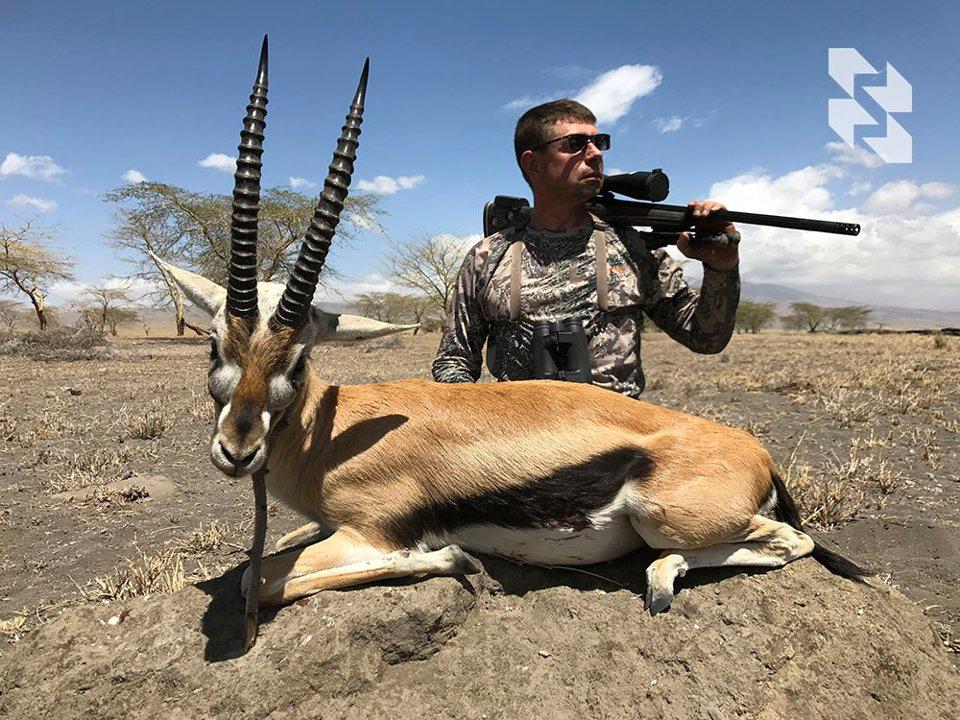
Desert Gazelle Hunting Advisors: Ethics and Legality of Hunting in Arid Regions. Guide to Responsible Hunting of Desert Gazelles: Population Conservation and Law Enforcement This article focuses on important aspects of hunting desert gazelles (including Gazella dorcas and other species found in arid regions), with an emphasis on ethical standards, environmental requirements, and compliance with legislation. Important! Gazelle hunting is restricted or prohibited in many regions due to population decline. Before planning a hunt, make sure that it is legal and follow all the rules. Geographical and Natural Features of the Region in Terms of Hunting: Desert gazelles inhabit the arid regions of Africa and Asia, characterized by: - Deserts and semi-deserts: Rocky and sandy plains with sparse vegetation. - Extreme climate: High temperatures, low rainfall and limited water resources. - Migrations: Gazelles make seasonal migrations in search of water and food. Hunters and Demographics of the

Post: 5 July 12:04
<strong>Hunting</strong> Adventures in SFAX: Types of Game and Species in Sfax, Demographics and Geography of <strong>Tunisia</strong> (PART II)

<strong>Hunting</strong>

Hunting Adventures in SFAX: Types of Game and Species in Sfax, Demographics and Geography of Tunisia (PART II) Hunting Clubs and Organizations Hunting in Sfax is organized primarily through local clubs and informal networks of hunters. While there are some officially recognized hunting associations, most hunters in the region belong to smaller, more localized groups that coordinate hunting activities. These groups often organize seasonal hunts, share information about game movements, and provide a support network for new hunters. The clubs also play an important role in educating hunters about sustainable practices and local hunting laws. While the formalization of these clubs is less stringent compared to some northern regions of Tunisia, they are crucial in maintaining access to hunting lands and ensuring that hunting is done responsibly. Regulations and Hunting Laws in Sfax Hunting in Sfax is regulated by Tunisia’s Forestry Code, which dictates the legal seasons, permissible spe

Post: 4 August 09:48
<strong>Hunting</strong> in <strong>TUNIS</strong>: Demographics in <strong>Tunisia</strong>, Geography, Local Laws, Clubs and Communities, <strong>Hunting</strong> Legis

Hunting in TUNIS: Demographics in Tunisia, Geography, Local Laws, Clubs and Communities, Hunting Legislation of Tunisia (PART II) Hunting Seasons and Optimal Times The hunting season in Tunis follows the national calendar, with the best hunting times falling during the fall and winter months. The period from October to February is ideal for both small game and bird hunting, as this is when wildlife is most active and migratory birds are passing through the region. Early mornings and late afternoons are typically the best times for hunting, especially for small game like rabbits and hares, as these animals are more active during the cooler parts of the day. Bird hunting, particularly for migratory species, peaks during the fall when large flocks of quail, thrushes, and other migratory birds make their way through Tunisia. These birds stop to rest in the fertile habitats of Tunis, making it a prime location for hunters. Waterfowl hunting is also most productive during the winter month

Post: 5 August 09:28

<strong>Hunting</strong> in <strong>TUNIS</strong>: Demographics in <strong>Tunisia</strong>, Geography, Local Laws, Clubs and Communities, <strong>Hunting</strong> Legis

Hunting in TUNIS: Demographics in Tunisia, Geography, Local Laws, Clubs and Communities, Hunting Legislation of Tunisia Geography and Ecological Features in Tunis Region Tunis, the capital of Tunisia, is situated in the northern part of the country and boasts a more diverse and temperate climate compared to the southern desert regions. The region features a mix of Mediterranean coastal landscapes, fertile plains, and hill ranges, which provide a variety of habitats for wildlife. The proximity of Tunis to the Mediterranean Sea results in a moderate climate, with hot, dry summers and mild, wet winters. This favorable climate allows for a range of vegetation types, from olive groves to forests, which support diverse wildlife populations. The forests of Tunis are particularly rich in flora and fauna, with Mediterranean scrublands, forests of pine and oak, and marshes around river valleys and coastal wetlands attracting different game species. These varied ecosystems make the region a pri

Post: 5 August 09:19

<strong>Hunting</strong> in SIDI BOUZID: Terrain and Ecological Features, Hunter Demographics and Participation in <strong>Tunisia</strong> (PART II)

<strong>Hunting</st

Hunting in SIDI BOUZID: Terrain and Ecological Features, Hunter Demographics and Participation in Tunisia (PART II) Hunting Organizations and Local Clubs While Sidi Bouzid does not have a large number of formal hunting clubs, there are smaller, informal groups dedicated to managing hunting activities and maintaining relationships with local authorities. These groups play a vital role in ensuring that hunting remains sustainable and within legal boundaries. Local hunters often gather in community-based organizations where they can share hunting tips, organize group hunts, and discuss seasonal trends. Although these clubs may not be as well-established as in urban centers, they are essential in preserving hunting traditions and promoting responsible practices. These local networks also help maintain access to private lands, a key factor in securing hunting grounds in the region. Hunting Regulations and Legal Framework The national Forestry Code governs all hunting activities in Tunis

Post: 4 August 10:00

Discover Dornod Province: geography and nature of Eastern Mongolia, impact of <strong>hunting</strong> tourism, demographics, associations and clubs, laws

Dornod Provinc

Discover Dornod Province: geography and nature of Eastern Mongolia, impact of hunting tourism, demographics, associations and clubs, laws Dornod Province, located in the far eastern corner of Mongolia, is a hidden gem for hunters seeking a unique and remote experience. Known for its vast steppes, pristine lakes, and rich biodiversity, Dornod offers a hunting experience unlike any other in Mongolia. Dornod Province is home to a variety of game species, many of which are highly sought after by hunters. The region’s unique ecosystem, which includes grasslands, wetlands, and forests, supports a diverse range of wildlife. Here are the primary species hunted in Dornod: The Mongolian gazelle, also known as the white-tailed gazelle, is one of the most iconic animals of the eastern steppes. These gazelles are known for their speed and agility, making them a challenging and rewarding target for hunters. Gazelle hunting is typically conducted during the autumn months (August to November) when t

Post: 30 May 11:49

<strong>Hunting</strong> in SOUSSE: Game Species in Sousse, <strong>Hunting</strong> Seasons and Optimal Times of <strong>Hunting</strong> (PART II)

<strong>Tunisian</st

Hunting in SOUSSE: Game Species in Sousse, Hunting Seasons and Optimal Times of Hunting (PART II) Tunisian Hunting Clubs and Associations Sousse is home to several hunting clubs and associations that play an integral role in organizing hunts, maintaining sustainable practices, and providing support to hunters. These clubs are vital for preserving the traditions of hunting in the region, offering a platform for both seasoned and new hunters to collaborate. Local clubs often organize hunting excursions, workshops, and educational events that focus on hunting techniques, safety, and the legal aspects of hunting. They also work closely with local authorities to ensure that hunting regulations are followed and that wildlife populations are properly managed. Through these organizations, hunters in Sousse have access to a supportive community and resources that enhance their hunting experience. Hunting Regulations and Legal Framework Hunting in Sousse is regulated by Tunisia's national fo

Post: 4 August 10:17

<strong>Hunting</strong> in ARIANA Region: Laws and Legislation, Demographics and Communities, Geography of <strong>Tunisia</strong>

Geography and Natural Environment of

Hunting in ARIANA Region: Laws and Legislation, Demographics and Communities, Geography of Tunisia Geography and Natural Environment of Ariana Region The Ariana region, situated directly north of Tunis, is characterized by a transitional landscape that shifts from Mediterranean coastline to forested interior. Although urbanized, Ariana retains ecological niches like Parc Ennahli, a 210-hectare protected forest area that hosts dense eucalyptus and Aleppo pine groves. This park functions as a wildlife corridor and supports populations of wild boars, hares, foxes, and a wide array of birds. The climate is Mediterranean with mild winters and hot, dry summers, offering conditions that support seasonal movement and concentration of game. Ariana’s topography, interspersed with olive groves and low hills, makes it suitable for both driven hunts and stationary bird shooting. Hunting Demographics in Tunisia Precise data on the number of hunters in Ariana is scarce, as Tunisia’s national stat

Post: 29 July 11:55

Dornogovi Province: Demographics, Associations and Clubs, Laws and <strong>Hunting</strong> Seasons, Legislation

Dornogovi Province, located in southeastern Mongolia, of

Dornogovi Province: Demographics, Associations and Clubs, Laws and Hunting Seasons, Legislation Dornogovi Province, located in southeastern Mongolia, offers unique hunting experiences amidst its vast deserts and rugged terrains. For hunters seeking adventure, understanding the local wildlife, hunting regulations, and the impact of hunting tourism on the region is essential. Big Game Hunting in Dornogovi: Mongolian Gazelle and Gray Wolves In Dornogovi, hunters can pursue several notable species: Gray Wolf: Known for their resilience, wolves are prevalent in Mongolia. Hunting them is permitted year-round without a specific hunting ticket or permit, as they are often hunted to manage their population and protect livestock. Mongolian Gazelle (Dzeren): These swift animals roam the plains of Dornogovi. The hunting season for gazelles typically runs from August 1 to March 1. Corsac Fox: This small fox species is native to the steppes of Mongolia. While specific hunting seasons may vary, it

Post: 6 June 11:46

<strong>Hunting</strong> Frontiers of KASSERINE: Demographics and <strong>Hunting</strong> Culture in the Region, Laws and Legislation of <strong>Tunisia</strong>

Ecolog

Hunting Frontiers of KASSERINE: Demographics and Hunting Culture in the Region, Laws and Legislation of Tunisia Ecological Layout and Landscape Character in Kasserine Region Kasserine, located in western Tunisia along the Algerian border, is marked by rugged mountain ranges, expansive high plateaus, and dense pine forests that contrast sharply with the flatlands of central Tunisia. The region is anchored by the Chaambi Mountain—Tunisia’s highest peak—and surrounded by woodland habitats, steep slopes, and semi-arid plains. The temperate continental climate, with cold winters and dry, hot summers, also affects animal behavior, driving game to lower elevations and shaded ravines during key hunting months. Hunting Demographics and Regional Involvement in the Area Kasserine has a longstanding hunting culture, deeply rooted in rural and mountainous communities such as Sbeitla, Fériana, and Thala. The governorate’s geographic proximity to Algeria has also historically shaped hunting patte

Post: 31 July 09:35

Explore the challenges and ethics of desert <strong>gazelle</strong> <strong>hunting</strong> in the Dakhla region, Morocco. Understand the unique environment and respons

Explore the challenges and ethics of desert gazelle hunting in the Dakhla region, Morocco. Understand the unique environment and responsible pursuit of this elusive game. Hunting the desert gazelle (Gazella dorcas) in the Dakhla region of Morocco presents a unique challenge, demanding respect for a fragile ecosystem and a commitment to ethical hunting practices. This article explores the specific features of Dakhla relevant to pursuing this iconic desert animal. Geographical and Natural Features for Hunting: Dakhla's environment is defined by: Extreme Aridity: The hyper-arid Sahara Desert dominates the landscape. Rainfall is exceptionally rare, creating a harsh and unforgiving environment. Rocky Plateaus (Hamada): Vast, flat expanses of rock and gravel characterize much of the region. This sparse terrain offers little cover for either hunter or prey. Sand Dunes (Erg): Patches of sand dunes exist, providing localized microhabitats with slightly more vegetation. Coastal Influence: The

Post: 3 July 09:40

<strong>Hunting</strong> in SILIANA: Hunter Demographics and Involvement, Geography and Ecological Context

Ecological Context of <strong>Hunting</strong> in Siliana, <st

Hunting in SILIANA: Hunter Demographics and Involvement, Geography and Ecological Context Ecological Context of Hunting in Siliana, Tunisia Siliana, located in the northwestern part of Tunisia, is defined by its hilly terrain, semi-mountainous landscapes, and fertile plains. The region is known for its varied topography, which includes rocky outcrops, low valleys, and pockets of Mediterranean forest. Siliana is a mix of agricultural land and natural habitats, offering a diverse environment for hunters. The rolling hills and scattered woodlands are particularly favorable for small game, while the agricultural fields and scrubland are excellent for bird hunting. The region experiences a Mediterranean climate, with wet winters and dry summers, which influences the movement and availability of wildlife throughout the year. Hunter Demographics and Involvement in Tunisia The hunting community in Siliana is relatively small compared to more urban regions like Tunis or Sfax. However, it ha

Post: 4 August 10:05

<strong>Hunting</strong> Adventures in SFAX: Types of Game and Species in Sfax, Demographics and Geography of <strong>Tunisia</strong>

Landscape and <strong>Hunting</str

Hunting Adventures in SFAX: Types of Game and Species in Sfax, Demographics and Geography of Tunisia Landscape and Hunting Environment in the Sfax Sfax, located in central-eastern Tunisia along the Mediterranean coast, is defined by a unique mix of agricultural plains, coastal wetlands, and semi-desert areas. This diverse geography allows for a variety of hunting conditions. The flat terrain is dotted with olive groves, fig orchards, and patches of scrubland that provide cover for various species. The coastal region, particularly near the Gulf of Gabès, is home to a network of salt flats and lagoons that attract migratory birds, while the interior regions, with their arid conditions, are favorable for small game hunting. The region's mild Mediterranean climate, coupled with some semi-arid zones, creates ideal conditions for a variety of game species to thrive, including both birds and small mammals. Tunisian Demographics and Hunter Participation The hunting community in Sfax is qui

Post: 4 August 09:42

Coastal <strong>Hunting</strong> Grounds of MAHDIA: <strong>Hunting</strong> Seasons, Laws and Demographics, Geographical Aspects of <strong>Tunisia</strong>

Geographic

Coastal Hunting Grounds of MAHDIA: Hunting Seasons, Laws and Demographics, Geographical Aspects of Tunisia Geographic Context and Natural Terrain in Mahdia Mahdia, located along Tunisia’s eastern Mediterranean coast, offers a flat yet fertile hunting landscape shaped by olive groves, coastal brushlands, and inland agricultural zones. The region's terrain lacks forests or mountains but compensates with wide plains, low scrub, and intermittent wetlands that support migratory bird activity. With a mild Mediterranean climate and moderate rainfall in winter, Mahdia’s rural stretches become seasonally active with game, particularly in the cooler months. The flat topography allows for long-range visibility, influencing hunting styles that favor patience and precision over dense-cover tracking. Hunter Demographics and Local Participation in Tunisia The hunting community in Mahdia is moderately sized but well organized, with most licensed hunters residing in towns such as El Jem, Ksour Esse

Post: 31 July 10:23

Fieldcraft in MONASTIR: Approach to Game and Tactical Behavior, Hunter Circles and Regional Clubs, Legislation of <strong>Tunisia</strong>

Territorial Character and Ecol

Fieldcraft in MONASTIR: Approach to Game and Tactical Behavior, Hunter Circles and Regional Clubs, Legislation of Tunisia Territorial Character and Ecology in Tunisia Monastir lies on Tunisia’s eastern coastline, bordered by the Mediterranean Sea and defined by flat agricultural land, olive groves, and coastal plains. Its terrain, though lacking rugged wilderness, supports a unique ecosystem that blends maritime influence with cultivated inland zones. The region’s gentle topography and moderate climate make it favorable for small game and migratory birds rather than large mammals. The proximity to saltwater lagoons, such as Sebkhet Halk El Menzel, and irrigated farmlands attracts flocks during seasonal migration, shaping the region into a low-key but viable hunting area for selective species. Hunters and Local Engagement in Monastir The hunting population in Monastir is modest and primarily rural, with most active participants coming from surrounding farming communities and retiree

Post: 4 August 08:45

<strong>Hunting</strong> Grounds in BEN AROUS: Communities and Demographics, Laws and Legislation of Ben Arous

Topography and Ecological Setting in <strong>Tunisia</stro

Hunting Grounds in BEN AROUS: Communities and Demographics, Laws and Legislation of Ben Arous Topography and Ecological Setting in Tunisia, Ben Arous Region Ben Arous, a small but densely populated governorate just south of Tunis, is primarily known for its industrial zones and suburban sprawl. However, the region also features transitional ecological areas that include cultivated lands, olive groves, and fragmented forest patches near Hammam Lif and Borj Cédria. The landscape is flat to mildly undulating, and while not a primary hunting destination in Tunisia, it supports certain types of seasonal hunting thanks to its residual green zones and agricultural buffers. The Mediterranean climate in Ben Arous allows for moderate biodiversity, particularly among birds and small mammals, whose presence is amplified in the outskirts away from urban pressure. Local Hunting Community and Participation in the Region The hunter population in Ben Arous is smaller than in more rural governorates

Post: 29 July 12:47

Stalking Grounds of JENDOUBA: <strong>Hunting</strong> Seasons, Laws and Demographics, Geography of <strong>Tunisia</strong>

Topographic Makeup and Environmental Setting

Stalking Grounds of JENDOUBA: Hunting Seasons, Laws and Demographics, Geography of Tunisia Topographic Makeup and Environmental Setting of Tunisia Jendouba, nestled in the northwestern tip of Tunisia near the Algerian border, offers one of the most fertile and forested terrains in the country. Its landscape is dominated by the Kroumirie Mountains and dense woodland, intersected by rivers like the Medjerda and covered in thick oak, pine, and cork forests. The region is known for its cooler, wetter climate, particularly in winter, with annual rainfall levels that support robust vegetation and a healthy biodiversity of game species. The altitude variation and lush cover make it a prized area for traditional and sport hunting alike, particularly for species requiring concealment and moisture-rich habitats. Hunting Population and Local Participation in Jendouba Jendouba boasts one of the most active hunting communities in Tunisia. Hundreds of licensed hunters, both residents and visitor

Post: 30 July 11:23

<strong>Hunting</strong> Terrain in BÉJA: Clubs and Communities, Laws and Legislation, <strong>Hunting</strong> Practicies in <strong>Tunisia</strong>

Landscape and Envi

Hunting Terrain in BÉJA: Clubs and Communities, Laws and Legislation, Hunting Practicies in Tunisia Landscape and Environmental Profile in Béja The Béja region, situated in northwestern Tunisia, is characterized by fertile plains, gentle hills, and extensive agricultural zones, making it one of the country’s richest areas in terms of biodiversity. The climate is typically Mediterranean, with relatively high rainfall compared to other parts of Tunisia, which in turn supports dense vegetation and consistent food sources for wildlife. Forested areas around Nefza and mountainous zones near Djebel Serj offer suitable habitats for large and small game alike. These conditions have made Béja an important hunting ground, particularly for wild boar and native game birds that thrive in dense woodland and transitional farmland zones. Hunter Population and Local Engagement in Tunisia Although official figures on the number of hunters in Béja are not publicly disaggregated, the region remains a

Post: 29 July 12:34

<strong>Hunting</strong> in TOZEUR: <strong>Tunisian</strong> Laws and Legislation, Clubs and Communities, Demographics and Geography

Geography and Ecological Features i

Hunting in TOZEUR: Tunisian Laws and Legislation, Clubs and Communities, Demographics and Geography Geography and Ecological Features in Tozeur Region Tozeur, located in southwestern Tunisia, is a region known for its stunning desert landscapes and oases. It lies at the edge of the Sahara and is surrounded by vast stretches of arid land, sand dunes, and rocky plateaus. Despite its primarily desert environment, Tozeur features some unique ecological zones, such as palm groves, oasis areas, and salt flats, which offer a variety of habitats for wildlife. The climate in Tozeur is characterized by extremely hot summers and mild, cooler winters, making it an ideal location for hunting during the cooler months. The region's unique blend of desert and oasis ecosystems supports a variety of small game and migratory bird species, making it a popular destination for hunters looking for a challenging environment. Water sources, though sparse, attract wildlife to oasis areas, creating prime hunti

Post: 4 August 10:32

<strong>Hunting</strong> Territory of NABEUL: Localized Strategy and <strong>Hunting</strong> Behavior in <strong>Tunisia</strong>, Demographics and Laws

Natural Composi

Hunting Territory of NABEUL: Localized Strategy and Hunting Behavior in Tunisia, Demographics and Laws Natural Composition and Terrain Influence in the Nabeul Nabeul occupies a strategic northeastern peninsula of Tunisia, framed by the Mediterranean on both sides and shaped by fertile plains, forested hills, and a mild Mediterranean climate. This combination supports a varied ecosystem ideal for bird migration, small game, and select mammal species. The landscape is divided between cultivated citrus groves, cork oak woods in the forested Kroumirie extension, and saltwater lagoons such as Sebkhet Soliman. Demographic of Active Hunters in Tunisia Nabeul supports a relatively dense community of licensed hunters, with an especially active population around Grombalia, Hammamet, and Soliman. The demographic here skews younger than in rural southern Tunisia, with a strong presence of organized hunters who maintain club memberships, participate in training sessions, and invest in quality

Post: 4 August 09:33

Field Tracking in GABÈS: <strong>Hunting</strong> Legislation, Laws, Demographics and <strong>Hunting</strong> Seasons in <strong>Tunisia</strong>

Terrain Profile and Ec

Field Tracking in GABÈS: Hunting Legislation, Laws, Demographics and Hunting Seasons in Tunisia Terrain Profile and Ecological Scope of Gabès Region Gabès lies in southeastern Tunisia where arid steppes, low mountain ridges, and desert fringes converge, creating a challenging and distinct hunting environment. The region transitions from coastal Mediterranean zones near the Gulf of Gabès into drier, rocky terrain as one moves inland toward Matmata and El Hamma. Vegetation is sparse and largely limited to drought-resistant shrubs, scattered acacias, and semi-arid scrubland, making the landscape highly open with minimal cover for wildlife. However, this very openness favors specific types of game and offers clear sightlines, particularly for those hunting small terrestrial species and birds adapted to desert conditions. Hunter Base and Regional Involvement of Tunisia The hunting community in Gabès is modest but active, especially in the interior delegations where traditional practices

Post: 30 July 10:50

<strong>Hunting</strong> in SILIANA: Hunter Demographics and Involvement, Geography and Ecological Context (PART II)

<strong>Tunisian</strong> <strong>Hunting</strong> O

Hunting in SILIANA: Hunter Demographics and Involvement, Geography and Ecological Context (PART II) Tunisian Hunting Organizations and Clubs In Siliana, hunting is often managed through local networks and informal groups. While there are fewer formal hunting clubs compared to urban centers, there are several associations dedicated to ensuring sustainable hunting practices and providing support to local hunters. These associations are essential for maintaining access to hunting grounds, organizing community hunts, and educating new hunters on local laws and regulations. The clubs also help coordinate hunting schedules to avoid overcrowding in popular areas and ensure that hunting remains a sustainable activity. These informal groups often play a vital role in maintaining the cultural significance of hunting in Siliana, as they help pass down traditional methods and knowledge while adapting to modern hunting practices. Hunting Regulations and Legal Framework in Siliana Hunting in Sil

Post: 4 August 10:10

<strong>Hunting</strong> in ZAGHOUAN: <strong>Hunting</strong> Communities, Laws and Geography, Demographics of <strong>Hunting</strong> Communities of <strong>Tunisia</s

Hunting in ZAGHOUAN: Hunting Communities, Laws and Geography, Demographics of Hunting Communities of Tunisia Geography and Ecological Features in Zaghouan Area Zaghouan, located in the north-central part of Tunisia, is a region known for its mountainous terrain and fertile plains. It is bordered by the Tell Atlas mountains, which provide a rugged backdrop to the region's landscapes. The climate in Zaghouan is Mediterranean, with hot, dry summers and mild, wet winters. The mountainous areas are covered with forests of pine, oak, and other Mediterranean species, while the plains are rich with olive groves and farmland. These diverse habitats create an ideal environment for a variety of wildlife, making Zaghouan a popular location for hunting. The region's mix of forests, hills, and agricultural land offers hunters a range of terrain types, from dense forests to open fields, each supporting different species of game. Hunter Demographics and Participation in Tunisia Hunting in Zaghouan

Post: 5 August 09:32

Wilderness Trails of KAIROUAN: Geography and Demographics, Laws and <strong>Hunting</strong> Seasons in <strong>Tunisia</strong>

Natural Composition and Terrain Variety

Wilderness Trails of KAIROUAN: Geography and Demographics, Laws and Hunting Seasons in Tunisia Natural Composition and Terrain Variety of Tunisia Kairouan, located in central Tunisia, offers a predominantly flat and semi-arid landscape, interspersed with steppe vegetation, scattered olive groves, and dry riverbeds known as oueds. While it lacks the dense forests of the north or the mountainous cover of the west, its vast open fields and agricultural margins create ideal conditions for certain types of hunting. Seasonal grasses and cultivated land attract smaller game species, while occasional scrub thickets and undulating terrain near the Djebel Serj foothills provide moderate cover for more elusive animals. Hunter Presence and Community Scale in Kairouan Region The hunting population in Kairouan is moderately sized, with most hunters originating from rural zones and practicing the activity during weekends or seasonal breaks. Delegations such as Haffouz, Oueslatia, and Sbikha serv

Post: 30 July 11:44

<strong>Hunting</strong> in SIDI BOUZID: Terrain and Ecological Features, Hunter Demographics and Participation in <strong>Tunisia</strong>

Terrain and Ecological Featur

Hunting in SIDI BOUZID: Terrain and Ecological Features, Hunter Demographics and Participation in Tunisia Terrain and Ecological Features in Sidi Bouzid Region Sidi Bouzid, located in the heart of Tunisia’s interior, is a region defined by expansive plains, dry steppes, and semi-arid zones. This unique landscape, influenced by a Mediterranean climate with hot, dry summers and mild, wet winters, is perfect for species that thrive in open, semi-desert environments. The region is sparsely vegetated with scrubby bush, low hills, and scattered pockets of farmland that are often dedicated to grain production. While the geography lacks dense forests or wetlands that attract waterfowl, Sidi Bouzid is an excellent region for small game hunting and predator control. The vast, open terrain requires hunters to be adept at using long-range weapons and understanding animal behavior in a wide expanse. Hunter Demographics and Participation in the Area The hunting community in Sidi Bouzid is smalle

Post: 4 August 09:53

Wilderness Pursuits in BIZERTE: Demographics and Laws, Geography and Legislation in <strong>Tunisia</strong>

Natural Setting and Regional Layout in Bizerte Region

Bizer

Wilderness Pursuits in BIZERTE: Demographics and Laws, Geography and Legislation in Tunisia Natural Setting and Regional Layout in Bizerte Region Bizerte, Tunisia’s northernmost governorate, offers one of the most diverse landscapes in the country, making it a prime area for hunting. The region stretches from the Mediterranean coastline to interior mountains, including forested ranges like Djebel Ichkeul and Sejenane, which serve as sanctuaries for game. The Ichkeul National Park and surrounding buffer zones provide vital wetland ecosystems that attract migratory birds from across Europe. The climate is humid Mediterranean, with high annual rainfall compared to inland regions, fostering dense woodlands and seasonal water sources. Demographics and Hunter Presence in the Area Bizerte has a well-established hunting culture supported by a sizable population of licensed hunters, many of whom reside in the towns of Mateur, Sejenane, and the city of Bizerte itself. Although precise figur

Post: 29 July 13:00

Wildlife Pursuits in MANOUBA: Laws and Legislation, <strong>Hunting</strong> Seasons and Demographics

Landscape Attributes and Natural Layout in Manouba

Manouba, positi

Wildlife Pursuits in MANOUBA: Laws and Legislation, Hunting Seasons and Demographics Landscape Attributes and Natural Layout in Manouba Manouba, positioned just west of Tunis, is a region marked by its semi-urban sprawl interwoven with agricultural fields, rolling hills, and small woodland pockets. While it is one of Tunisia’s more developed governorates, its rural zones—particularly around Tebourba, El Battan, and Djedeida—offer suitable environments for controlled hunting. Olive plantations, wheat fields, and river valleys shape the region’s ecological diversity, attracting certain species of game, especially in the cooler months. Though not known for dense forests or wild expanses, Manouba’s fragmented rural zones create a patchwork of viable habitats that support small and medium game species in sustainable numbers. Hunter Distribution and Local Involvement in Manouba Region The hunting community in Manouba is smaller than in Tunisia’s northern or interior regions, due in part

Post: 1 August 07:47

Sahara Desert & Coastal Bird <strong>Hunting</strong> in Morocco 2025: Game, Regions, Strategy

Morocco’s <strong>hunting</strong> potential goes far beyond the Atlas Mou

Sahara Desert & Coastal Bird Hunting in Morocco 2025: Game, Regions, Strategy Morocco’s hunting potential goes far beyond the Atlas Mountains. The Sahara Desert and coastal wetlands offer distinct opportunities for hunters targeting desert-adapted game and migratory birds. If you’re looking for rare trophies and diverse terrain, these zones deliver. --- 📍 Sahara Desert Hunting: Barbary Gazelle & Desert Fox The Moroccan Sahara — especially near Merzouga and the Draa-Tafilalet region — is home to elusive desert species: • Barbary Gazelle: Fast, alert, and adapted to harsh terrain. Spot-and-stalk hunting across rocky outcrops and dunes. • Desert Fox: Nocturnal predator, hunted with thermal optics or bait setups. • Sand Hare & Desert Birds: Secondary targets during multi-day hunts. Terrain: Sand dunes, dry wadis, rocky plateaus. Climate: Daytime heat (30–40°C), nighttime cold (5–10°C). Gear: Lightweight boots, hydration packs, sun protection, long-range optics. Access: Fly into Erra

Post: 22 October 23:53

Orkhon Province: Demographics, Communities, Associations and Clubs, Laws and <strong>Hunting</strong> Seasons

Nestled in the heart of Mongolia, Orkhon Province is a regi

Orkhon Province: Demographics, Communities, Associations and Clubs, Laws and Hunting Seasons Nestled in the heart of Mongolia, Orkhon Province is a region that seamlessly blends history, culture, and untamed wilderness. While it may not be the first destination that comes to mind for international hunters, this province offers a unique and rewarding hunting experience. With its diverse landscapes, rich biodiversity, and proximity to Mongolia’s historical landmarks, Orkhon has quietly become a hidden gem for those seeking adventure off the beaten path. Mongolian Gazelle Hunting: A Challenging Pursuit on the Steppes Orkhon’s varied ecosystems—ranging from rolling steppes and river valleys to forested hills—support a wide array of wildlife. Hunters in this province focus on several key species, each offering its own allure: The Mongolian gazelle, or "dzeren," is one of the most iconic species in the region. These graceful antelopes roam the vast steppes, relying on their speed and agil

Post: 11 June 14:33

<strong>Hunting</strong> in ZAGHOUAN: <strong>Hunting</strong> Communities, Laws and Geography, Demographics of <strong>Hunting</strong> Communities of <strong>Tunisia</s

Hunting in ZAGHOUAN: Hunting Communities, Laws and Geography, Demographics of Hunting Communities of Tunisia (PART II) Hunting Seasons and Optimal Times The hunting season in Zaghouan, like in other parts of Tunisia, is regulated by the national hunting calendar, with the main hunting season running from October to February. The cooler months are ideal for hunting, as wildlife is more active, and the weather is more favorable for outdoor activities. Early mornings and late afternoons are the best times for hunting, as animals tend to be more active during these times. For small game like rabbits and hares, hunters typically head out early in the morning, when the animals are most likely to be foraging. Bird hunting, particularly for partridges, pigeons, and migratory species, is most productive during the fall and early winter months. These birds migrate through the region, making it an excellent time for hunters. Waterfowl hunting, though not as prevalent in Zaghouan as in other pa

Post: 5 August 09:40

<strong>Hunting</strong> in SOUSSE: Game Species in Sousse, <strong>Hunting</strong> Seasons and Optimal Times of <strong>Hunting</strong>

Geography and Ecological Featu

Hunting in SOUSSE: Game Species in Sousse, Hunting Seasons and Optimal Times of Hunting Geography and Ecological Features of Tunisia Sousse, a coastal city located in central Tunisia, offers a unique blend of Mediterranean landscapes and fertile agricultural lands. The region is characterized by a combination of sandy beaches, rolling hills, and fertile plains that support a variety of wildlife. The climate is typically Mediterranean, with hot, dry summers and mild, wet winters. This makes Sousse a prime location for certain types of hunting, particularly small game and migratory birds. The natural environment around Sousse provides a balance between open fields, scrublands, and some wooded areas, which serve as ideal habitats for various species, including hares, rabbits, and a variety of bird species. Hunter Demographics and Participation in Sousse The hunting community in Sousse is diverse, attracting both local hunters and those from other regions. Sousse's proximity to major u

Post: 4 August 10:13

<strong>Hunting</strong> Heritage of KEF: Best Information about <strong>Hunting</strong> Laws and Legislation, Local Game Species

Topographic Features and Natural Condi

Hunting Heritage of KEF: Best Information about Hunting Laws and Legislation, Local Game Species Topographic Features and Natural Conditions of Kef Le Kef, situated in northwestern Tunisia along the Algerian border, offers a rugged and fertile landscape defined by limestone hills, deep ravines, cedar forests, and cultivated valleys. The region is elevated compared to the rest of Tunisia, creating a microclimate that supports dense vegetation and a steady presence of water sources such as seasonal streams and springs. The mix of open fields and forest cover demands a versatile hunting approach and provides opportunities across multiple game types. Hunter Presence and Regional Profiles in Tansania The governorate of Kef maintains an active and growing hunting community, bolstered by a strong rural presence and cultural integration of hunting traditions. Licensed hunters are primarily based in towns like Le Kef, Nebeur, and Tajerouine, with many practicing the sport as part of familia

Post: 31 July 10:03

Desert Pursuits in KEBILI: Know more about Local Laws and Legislation, Game Speceies and <strong>Hunting</strong> Communities

Environmental Composition and Regional Terr

Desert Pursuits in KEBILI: Know more about Local Laws and Legislation, Game Speceies and Hunting Communities Environmental Composition and Regional Terrain in Kebili Kebili lies deep in southern Tunisia, embracing the fringes of the Sahara Desert and the arid plains around the vast Chott El Jerid salt lake. The region is marked by sandy expanses, scattered oases, and sparse vegetation, offering an entirely different hunting experience from the country’s northern forests or western mountains. Palm groves, acacia patches, and low dunes shape the land where game animals seek shade and scarce water sources. With scorching summers and mild, dry winters, Kebili’s climate limits animal activity to the cooler seasons, making hunting a highly seasonal and environmentally dependent pursuit. Local Hunters and Population Involvement in Tunisia Kebili has a smaller, more specialized hunting community compared to more temperate regions. Most active hunters come from the local oasis towns such as

Post: 31 July 09:45

Game Trails of MEDENINE: Local Laws, Legislation and Demographical Species, Information about <strong>Hunting</strong> Communities  

Topography and Environmental Feature

Game Trails of MEDENINE: Local Laws, Legislation and Demographical Species, Information about Hunting Communities Topography and Environmental Features in Medenine Medenine, stretching across southeastern Tunisia, offers a varied landscape of arid plains, dry wadis, rugged hills, and semi-desert zones that shape its hunting conditions. The region includes parts of the Dahar Mountains and extends toward the coastal and Saharan edge, providing unique ecological diversity for adapted species. The land is sparse in vegetation, primarily consisting of scrub, acacia, and low grass cover, yet it supports resilient fauna accustomed to the dry climate. Seasonal rainfall is scarce, and the heat is intense for much of the year, which affects both the availability of game and the behavior of hunters who must plan their outings around the harsh desert elements. Local Hunters and Regional Participation in Medenine Region Hunting in Medenine is less widespread compared to northern Tunisia, but

Post: 1 August 08:00

Pursuits Across the Plateaus of GAFSA: <strong>Hunting</strong> Seasons, Laws and Legislation, Demographics of Hunters

Geographic Frame and Habitat Diversity in <strong>

Pursuits Across the Plateaus of GAFSA: Hunting Seasons, Laws and Legislation, Demographics of Hunters Geographic Frame and Habitat Diversity in Tunisia Gafsa, located in southwestern Tunisia, is a rugged governorate defined by its semi-arid highlands, rocky plateaus, and narrow wadis that carve through the landscape. Unlike the sandy dunes of the deep south, Gafsa offers a mix of hard ground, sparse shrubbery, and steep elevations that make it a unique, though harsh, terrain for hunting. The mountain ranges such as Djebel Orbata provide shadowed cover and higher vegetation density, supporting a range of game that relies on altitude and seasonal water availability. Though rainfall is limited, it occurs primarily in the winter, giving rise to green pockets that attract animals during critical months. Hunter Distribution and Local Activity of Gafsa Hunting in Gafsa is less commercialized than in coastal areas but remains culturally entrenched, particularly in delegations like El Ksar

Post: 30 July 11:13

<strong>Hunting</strong> in TATAOUINE: know more about Hunter Demographics and Participation, Geography and Ecological Features

Geography and Ecological Features in <str

Hunting in TATAOUINE: know more about Hunter Demographics and Participation, Geography and Ecological Features Geography and Ecological Features in Tunisia Tataouine is a predominantly arid region located in the southern part of Tunisia, known for its vast, dry landscapes and rugged terrain. The region is characterized by a mix of desert areas, rocky outcrops, and sparse vegetation, offering a unique environment for hunters. Tataouine’s landscape is dominated by semi-desert and steppe ecosystems, with scattered oases and seasonal water sources that attract wildlife. Despite its dry climate, Tataouine has a variety of ecosystems, including some shrublands and small patches of forested areas, that support certain types of game species. The climate is extremely hot in the summer with cold, dry winters, which affects the movement and behavior of local wildlife, requiring hunters to adapt to the harsh conditions. Hunter Participation in Tataouine Region The hunting community in Tataouin

Post: 4 August 10:20

<strong>Hunting</strong> in Ohangwena, Namibia: <strong>Legal</strong> framework, game diversity, landscape, hunter numbers, unique aspects, facts, hunter associations, <

Hunting in Ohangwena, Namibia: Legal framework, game diversity, landscape, hunter numbers, unique aspects, facts, hunter associations, hunting heritage, timelines Legal framework and rules for hunting Ohangwena's hunting landscape operates within Namibia's strict legal framework, designed to ensure sustainable wildlife management. All hunters must obtain permits for specific species, with annual quotas carefully determined through scientific population studies. Foreign visitors are required to hunt under the guidance of licensed Professional Hunters (PHs), who ensure compliance with regulations while providing expert knowledge of the area. A portion of hunting license fees directly funds conservation efforts and community development projects, creating a vital link between ethical hunting and local welfare. Strict prohibitions against poaching, unlicensed hunting, and targeting endangered species are enforced through heavy fines and potential imprisonment, maintaining ecological bala

Post: 23 July 13:38

<strong>Hunting</strong> Seasons and Rules in Hampshire: Game Activity and Shooting Periods, How to Get a <strong>Hunting</strong> License in the Region

<strong>Hunting<

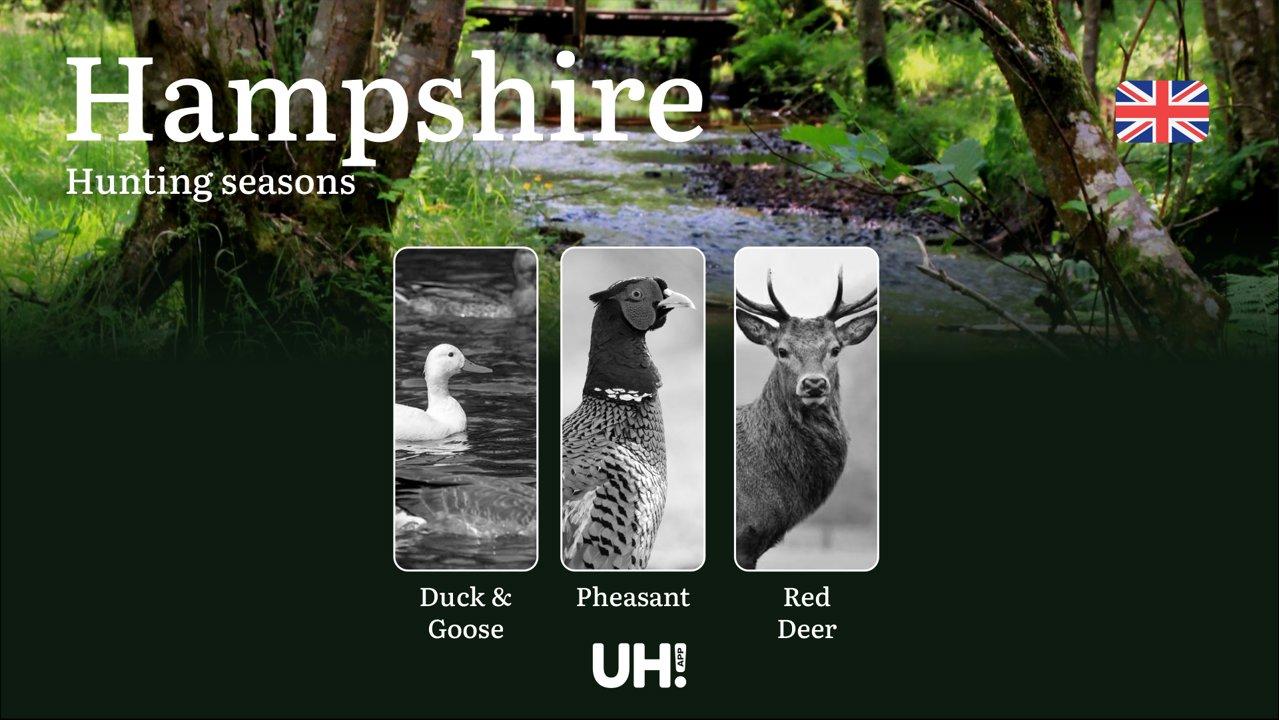
Hunting Seasons and Rules in Hampshire: Game Activity and Shooting Periods, How to Get a Hunting License in the Region Hunting in Hampshire is a time-honored tradition, deeply rooted in the region’s rural culture. However, strict regulations govern when, where, and how hunters can pursue game. This guide covers official hunting periods, game seasons, legal restrictions, licensing, and expert tips to help hunters stay compliant and maximize success. Understanding the Legal Foundation of Hunting in Hampshire Hunting in Hampshire is deeply rooted in tradition, but every hunter must be aware of the legal framework that governs the sport. UK wildlife laws, including the Wildlife and Countryside Act 1981 and local bylaws, regulate hunting seasons to ensure wildlife protection and promote responsible practices. The region’s varied landscapes—woodlands, farmland, and wetlands—shape animal behavior and influence hunting dates, while seasonal bans protect species during breeding and migration

Post: 14 August 14:57

Falconry License: <strong>Legal</strong> Requirements, History, and Facts Every Hunter Should Know.

Falconry — the ancient art of <strong>hunting</strong> with trained b

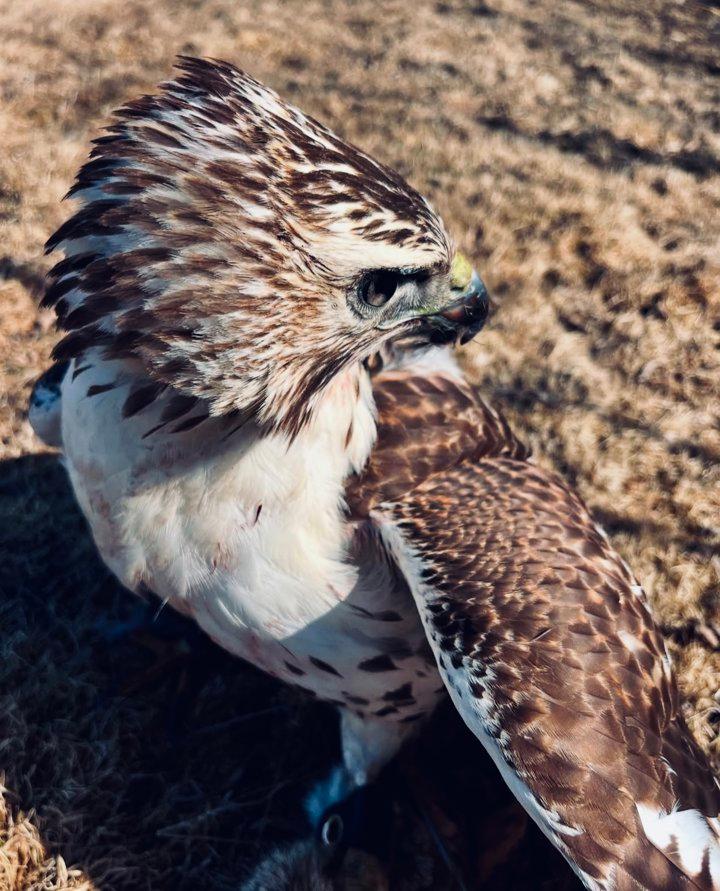
Falconry License: Legal Requirements, History, and Facts Every Hunter Should Know. Falconry — the ancient art of hunting with trained birds of prey — is one of the most regulated forms of hunting in the world. Whether you’re an aspiring falconer or a seasoned hunter curious about the legal framework, understanding falconry licensing is essential. This article breaks down the legal requirements, historical context, and key facts about falconry licenses across major regions, with verified data and no fluff. --- What Is a Falconry License? A falconry license is a legal permit that allows individuals to possess, train, and hunt with raptors such as falcons, hawks, and eagles. It’s not just a formality — it’s a comprehensive certification process designed to ensure the welfare of the birds, the safety of the public, and the sustainability of wildlife populations. --- Legal Requirements by Region United States In the U.S., falconry is governed jointly by state wildlife agencies and t

Post: 18 August 10:53

<strong>Hunting</strong> in Northumberland: Season Dates, <strong>Legal</strong> Limits, Licensing & Expert Tips

Northumberland, characterized by its vast moorlands, for

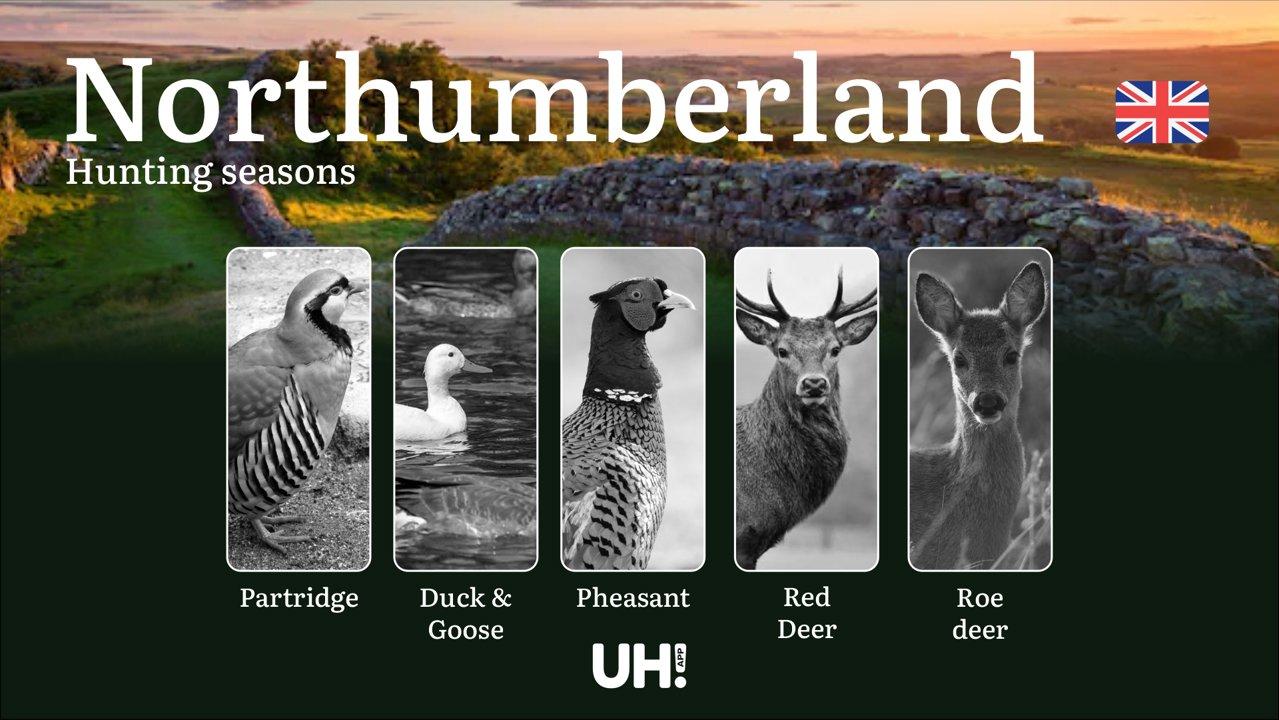
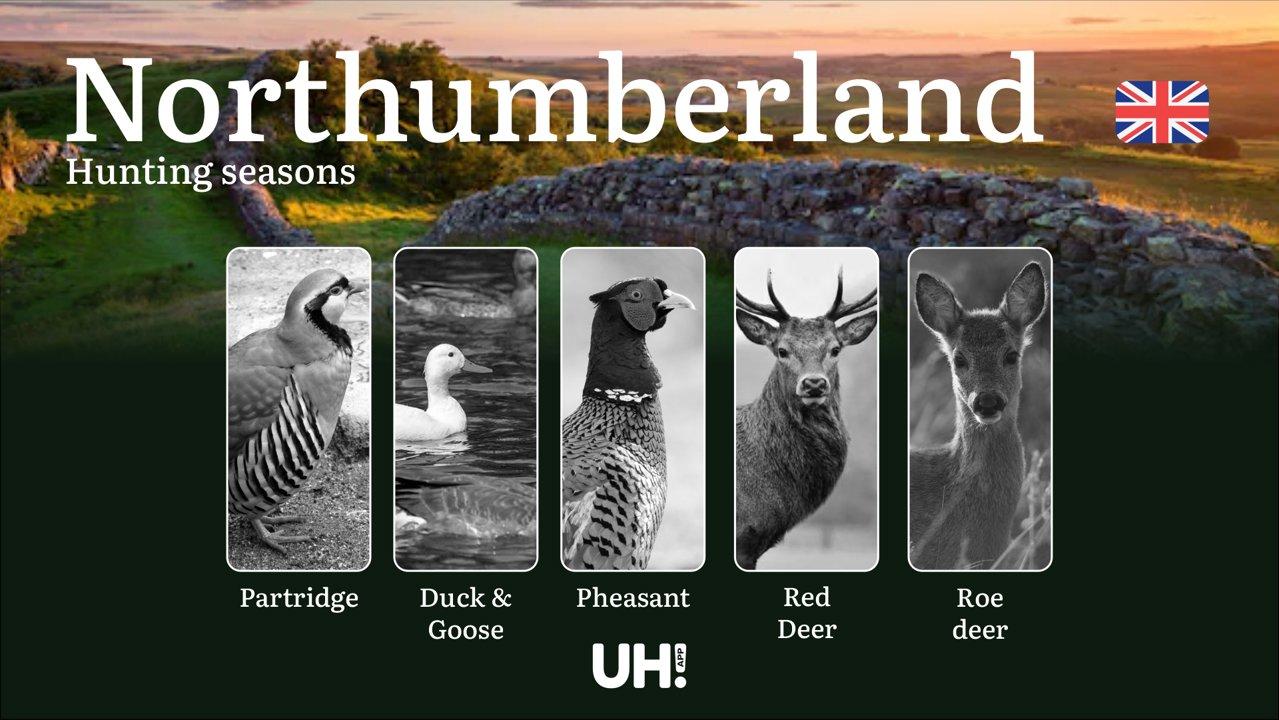
Hunting in Northumberland: Season Dates, Legal Limits, Licensing & Expert Tips Northumberland, characterized by its vast moorlands, forests, and coastal areas, provides excellent opportunities for hunting a variety of game species. To ensure a successful and legal hunt, it is essential to understand the official hunting seasons, legal restrictions, licensing requirements, and strategic approaches tailored to the region. Official Hunting Periods in Northumberland Hunting in Northumberland is regulated under UK law with some regional modifications to promote sustainable wildlife management. The main hunting seasons include: Red Deer (Stags): August 1 – April 30 Red Deer (Hinds): November 1 – February 28 Roe Deer (Bucks): April 1 – October 31 Roe Deer (Does): November 1 – March 31 Pheasant: October 1 – February 1 Partridge: September 1 – February 1 Duck & Goose (species dependent): September 1 – January 31 These dates are influenced by climatic conditions, wildlife breeding and

Post: 14 August 11:25

<strong>Hunting</strong> in Northumberland: Season Dates, <strong>Legal</strong> Limits, Licensing & Expert Tips

Northumberland, characterized by its vast moorlands, for

Hunting in Northumberland: Season Dates, Legal Limits, Licensing & Expert Tips Northumberland, characterized by its vast moorlands, forests, and coastal areas, provides excellent opportunities for hunting a variety of game species. To ensure a successful and legal hunt, it is essential to understand the official hunting seasons, legal restrictions, licensing requirements, and strategic approaches tailored to the region. Official Hunting Periods in Northumberland Hunting in Northumberland is regulated under UK law with some regional modifications to promote sustainable wildlife management. The main hunting seasons include: Red Deer (Stags): August 1 – April 30 Red Deer (Hinds): November 1 – February 28 Roe Deer (Bucks): April 1 – October 31 Roe Deer (Does): November 1 – March 31 Pheasant: October 1 – February 1 Partridge: September 1 – February 1 Duck & Goose (species dependent): September 1 – January 31 These dates are influenced by climatic conditions, wildlife breeding and

Post: 14 August 11:08

<strong>Hunting</strong> Periods and Local Rules in Østfold: Species You Can Hunt Throughout the Year, Seasonal Activity of Game, and the Steps to Get a <strong>Legal</st

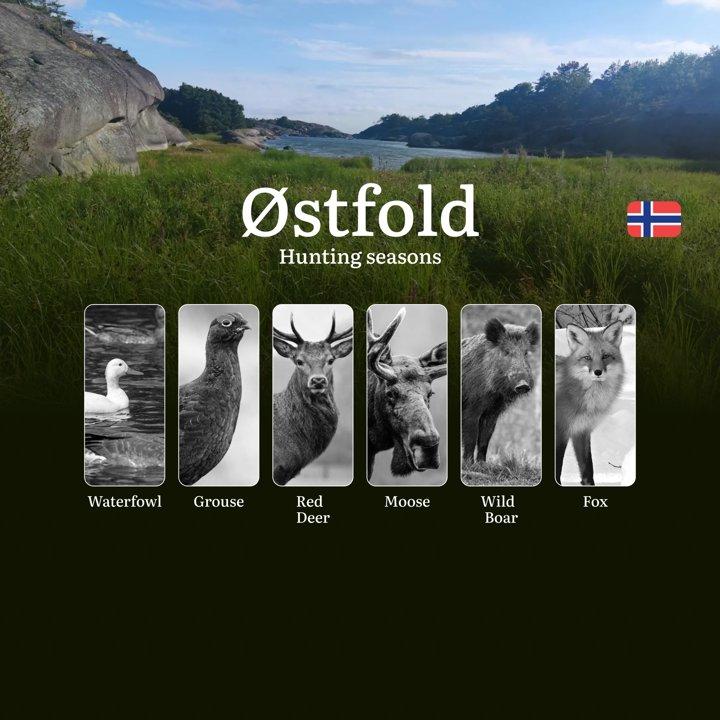
Hunting Periods and Local Rules in Østfold: Species You Can Hunt Throughout the Year, Seasonal Activity of Game, and the Steps to Get a Legal Hunting License in the Region Planning your hunt in Østfold? This region, with its mix of coastal landscapes and deep forests, provides varied opportunities for hunters—but also demands careful attention to regulations. Understanding the official hunting periods, licensing requirements, and seasonal restrictions is crucial for a successful and legal experience. Here’s a comprehensive guide to Østfold’s hunting seasons, game behavior, legal limits, and strategic tips to help you get the most from your time in the field. Official Hunting Periods in Østfold Hunting in Østfold follows strict seasonal schedules set by Norwegian wildlife authorities. The main hunting periods are divided into: Big game (moose, deer, wild boar): Mid-August to December Small game (hare, grouse, waterfowl): September to February Predators (fox, badger): Year-round in so

Post: 19 August 14:32

Maritime <strong>Hunting</strong> in ÅLAND: Seasons, Regional Specifics, Game Activity,  <strong>Legal</strong> Restrictions and Vital Rules

Nestled between Sweden and m

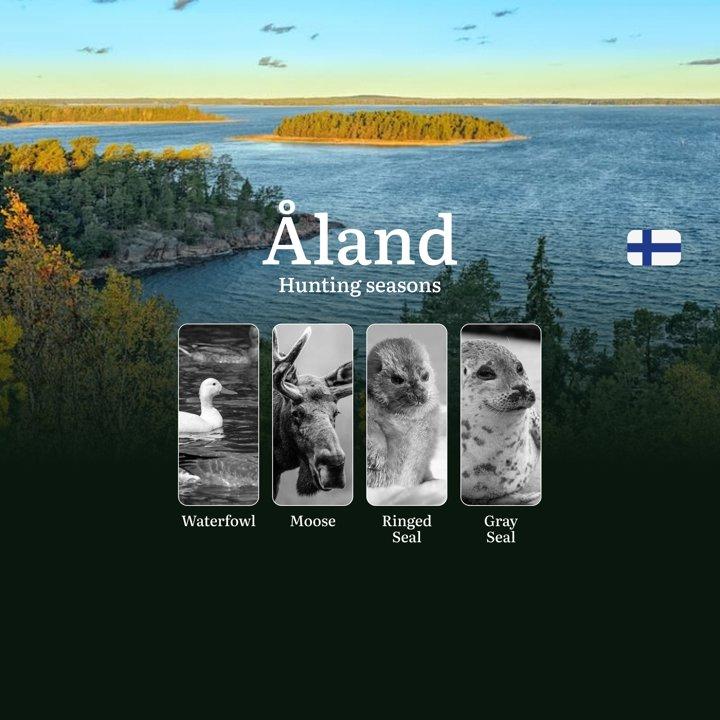
Maritime Hunting in ÅLAND: Seasons, Regional Specifics, Game Activity, Legal Restrictions and Vital Rules Nestled between Sweden and mainland Finland, the Åland Islands offer a unique maritime hunting experience amidst a stunning archipelago. With a mix of waterfowl, moose, and seal hunting opportunities, the region attracts hunters seeking both challenge and natural beauty. However, Åland’s hunting regulations are carefully designed to balance tradition with conservation, ensuring sustainable game populations. Understanding the hunting seasons, legal requirements, and optimal periods for hunting is essential for a successful and lawful experience. Hunting Seasons and Regional Specifics Hunting in Åland follows Finland’s national framework but adapts to the islands’ distinct ecological conditions. The maritime climate and archipelagic terrain influence animal behavior, leading to slightly different hunting windows compared to mainland Finland. For instance, waterfowl seasons begin

Post: 19 August 12:00

African <strong>Hunting</strong> <strong>Gazette</strong> 

Africa and North America's premier quarterly <strong>hunting</strong> magazine. While Africa is the dream <str

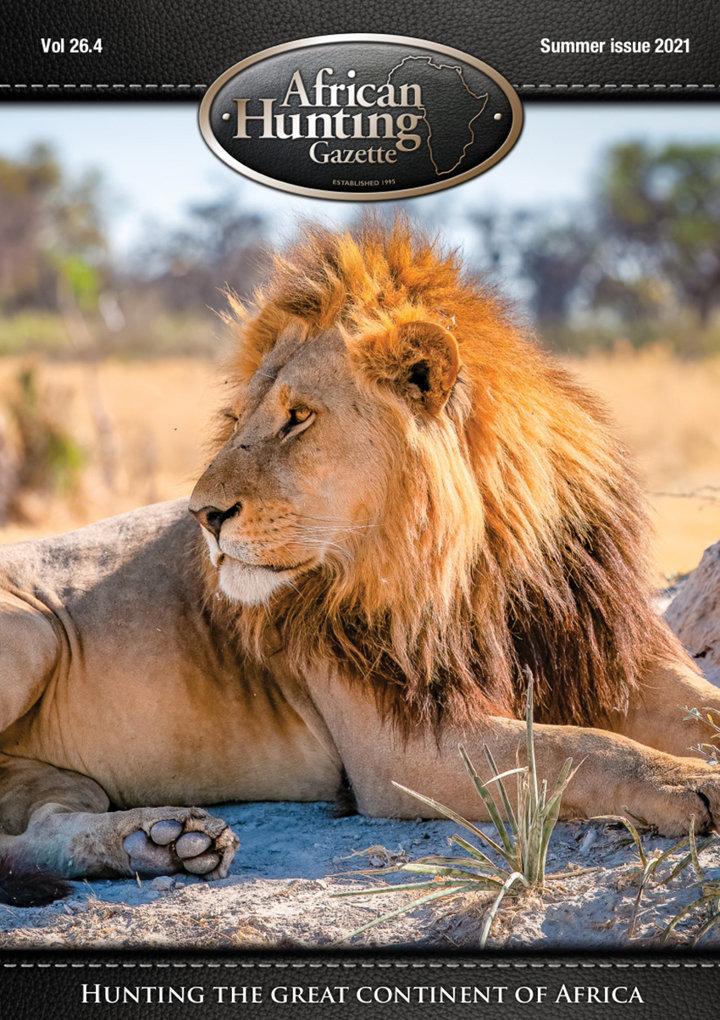
African Hunting Gazette Africa and North America's premier quarterly hunting magazine. While Africa is the dream hunting destination, with a range of species that no other continent can offer, there is a range of issues and information that potential visitors need to know, and we hope that our website and magazine helps you answer those questions. It is an invaluable resource to the prospective African hunter. The magazine is distributed in over 40 countries, with a strong presence in Africa, North America, Europe, and Australia. Published quarterly, a quality journal presenting all aspects of hunting available in Africa. The traditions and tales, the professional hunters of today, and the legends of yesteryear. Reporting on the places to go, the sport available and all the equipment to use. Special African Hunting Gazette editions focusing on specific regions or species, such as "East African Safaris" or "Big Five Hunting," consistently outperform regular issues, with sales surging

Post: 29 January 12:07

Seasonal <strong>Hunting</strong> Periods in Butambala: Limits and Seasonal Prohibitions, Licensing Conditions, Fines and <strong>Legal</strong> Effects of Non-Compliance

Seasonal Hunting Periods in Butambala: Limits and Seasonal Prohibitions, Licensing Conditions, Fines and Legal Effects of Non-Compliance, Strategic Preparation, Best Hunting Times, Gear Choices Hunting in Butambala offers a thrilling experience for both seasoned hunters and newcomers. Understanding the hunting seasons, legal requirements, and best periods for game activity is crucial for a successful and lawful hunt. This guide covers everything from regional hunting timetables and prime seasons to restrictions, licensing, and expert tips to maximize your hunting success in Butambala. 1. Regional Hunting Timetables and Rules in Butambala Butambala’s hunting seasons are carefully regulated to balance wildlife conservation with hunting opportunities. The primary hunting periods are divided into two main seasons: Big Game Season (June to October): This period is designated for hunting larger species such as buffalo, antelope, and wild boar. The dry season during these months impr

Post: 8 July 14:05

Herefordshire <strong>Hunting</strong>: Complete Season Dates, License Requirements, Wildlife Regulations & Prime <strong>Hunting</strong> Locations for Deer, Pheasant an

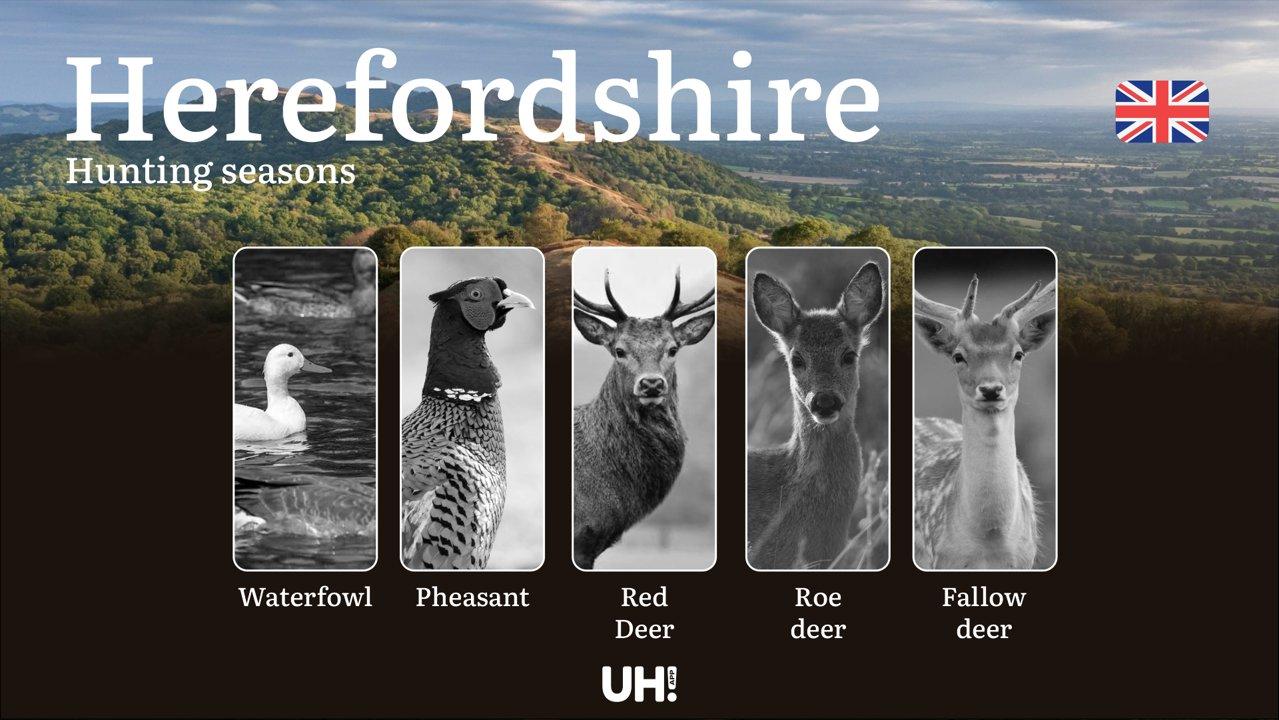
Herefordshire Hunting: Complete Season Dates, License Requirements, Wildlife Regulations & Prime Hunting Locations for Deer, Pheasant and Waterfowl Herefordshire’s rolling countryside and dense woodlands make it a prime destination for hunters. However, strict regulations govern hunting seasons to ensure sustainable wildlife management. This guide covers official hunting periods, game behavior, legal restrictions, licensing, fines, and strategic tips for a successful hunt. Understanding Hunting Laws and Seasons Before planning your hunt in Herefordshire, it’s essential to understand the legal foundation that governs hunting activities. Regulations are shaped by UK-wide laws such as the Wildlife and Countryside Act 1981, alongside local adjustments reflecting the region’s mild climate and mixed landscapes. These factors often make Herefordshire’s hunting seasons slightly more flexible than in neighboring Wales or the Midlands. Recent changes include stricter penalties for hare coursi

Post: 18 August 10:24

Related to request “legal gazelle hunting Tunisia”

UH.app — social media network and application for hunters.

© 2025 Uhapp LLC. All rights reserved.