сроки весенней охоты 2025 в нижегородской - News 3078

Die Jagd im Raum Steyr: Naturräume, Jägerschaft, Wildbestände, Jagdtermine, Jagdmethoden, Vorschriften, Vereine, Bräuche, Fakten       

Naturräume und ihre Eigenschaften

Die Jagd im Raum Steyr: Naturräume, Jägerschaft, Wildbestände, Jagdtermine, Jagdmethoden, Vorschriften, Vereine, Bräuche, Fakten Naturräume und ihre Eigenschaften Der Raum Steyr, gelegen im westlichen Oberösterreich, bietet eine faszinierende Kombination aus dichten Wäldern, sanften Hügeln und den malerischen Ufern der Steyr sowie kleinerer Nebenflüsse. Mit einem Waldanteil von etwa 50 % und zahlreichen Feuchtgebieten ist die Region ein idealer Lebensraum für verschiedene Wildarten. Die Nähe zu den Ausläufern des Dachsteins sowie das raue Klima machen Steyr zu einem attraktiven Ziel für Jäger. Aktive Jägerschaft in Steyr Im Raum Steyr sind rund 700 aktive Jäger registriert (Stand 2024), wobei die meisten aus der lokalen Bevölkerung stammen. Etwa 10 % der Jäger kommen aus dem benachbarten Ausland, vor allem aus Bayern und Tschechien. Besonders hervorzuheben ist die starke Präsenz von Bergjägern, die sich auf die anspruchsvollen Bedingungen in den Hochlagen spezialisiert haben

Post: 14 August 19:29
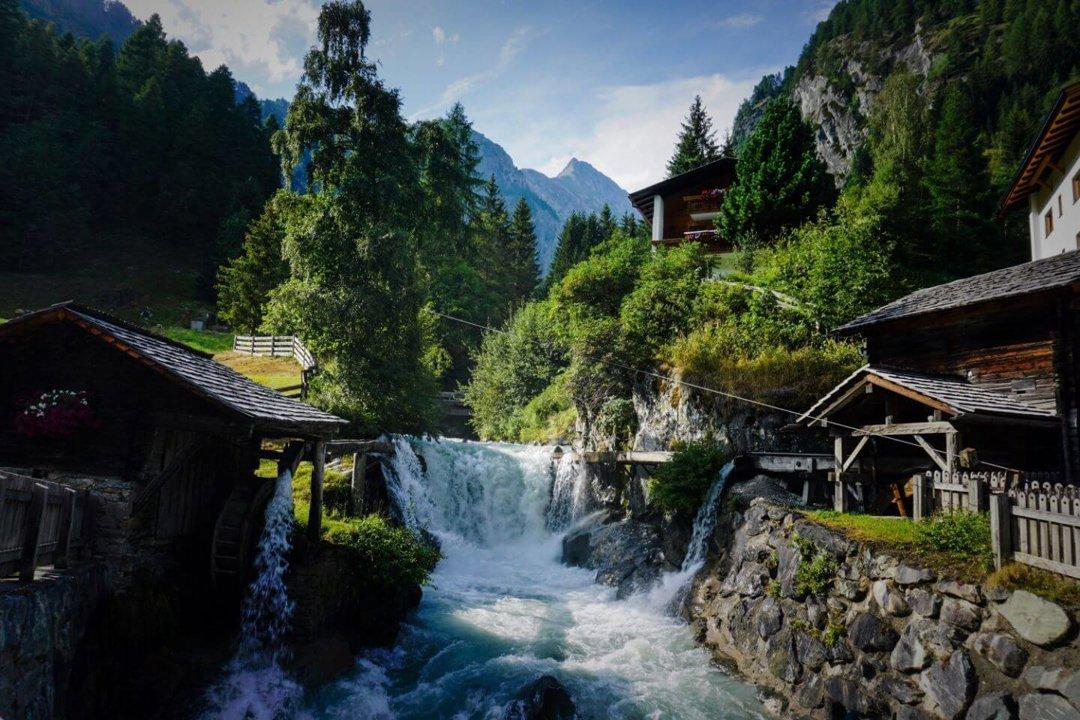
Die Jagd im Raum Linz: Geographie, Jägerschaft, Fauna, Jagdzeiträume, Methodik, Rahmenbedingungen, Strukturen, Bräuche, Kuriositäten           

Geographische und natürli

Die Jagd im Raum Linz: Geographie, Jägerschaft, Fauna, Jagdzeiträume, Methodik, Rahmenbedingungen, Strukturen, Bräuche, Kuriositäten Geographische und natürliche Merkmale Der Raum Linz, gelegen im Zentrum Oberösterreichs, bietet eine einzigartige Kombination aus urbanen Einflüssen und unberührter Natur. Mit einem Waldanteil von etwa 35 % und zahlreichen Feuchtgebieten entlang der Donau sowie kleinerer Flüsse wie der Traun erstreckt sich die Region über sanfte Hügel, dichte Wälder und offene Agrarflächen. Die Nähe zur Donau und das milde Klima machen Linz zu einem attraktiven Ziel für Jäger. Aktive Jägerschaft in Linz Im Raum Linz sind rund 900 aktive Jäger registriert (Stand 2024), wobei die meisten aus der lokalen Bevölkerung stammen. Etwa 10 % der Jäger kommen aus dem benachbarten Ausland, vor allem aus Bayern und Tschechien. Besonders hervorzuheben ist die starke Präsenz von Wasserjägern, die die Donau-Auen und Feuchtgebiete nutzen. Die Jägerschaft ist stark organi

Post: 12 August 19:41

Die Jagd im Bezirk Kirchdorf an der Krems: Naturräume, Aktivitäten, Wildbestände, Kalender, Jagdmethoden, Grundlagen, Gemeinschaften, Jagdgepflogenheiten, Details

Die Jagd im Bezirk Kirchdorf an der Krems: Naturräume, Aktivitäten, Wildbestände, Kalender, Jagdmethoden, Grundlagen, Gemeinschaften, Jagdgepflogenheiten, Details Naturräume und ihre Eigenschaften in Kirchdorf an der Krems Der Bezirk Kirchdorf an der Krems, gelegen im westlichen Oberösterreich, bietet eine vielfältige Landschaft aus sanften Hügeln, dichten Wäldern und den weiten Auen der Krems. Mit einem Waldanteil von etwa 40 % und zahlreichen Feuchtgebieten entlang der Krems sowie kleinerer Nebenflüsse ist die Region ein idealer Lebensraum für verschiedene Wildarten. Die Nähe zu den Ausläufern des Kobernaußerwaldes sowie das milde Klima machen Kirchdorf zu einem attraktiven Ziel für Jäger. Aktivitäten der lokalen Jäger Im Bezirk sind rund 550 aktive Jäger registriert (Stand 2024), wobei die meisten aus der lokalen Bevölkerung stammen. Etwa 8 % der Jäger kommen aus dem benachbarten Ausland, vor allem aus Bayern und Tschechien. Besonders hervorzuheben ist die starke Prä

Post: 12 August 18:09
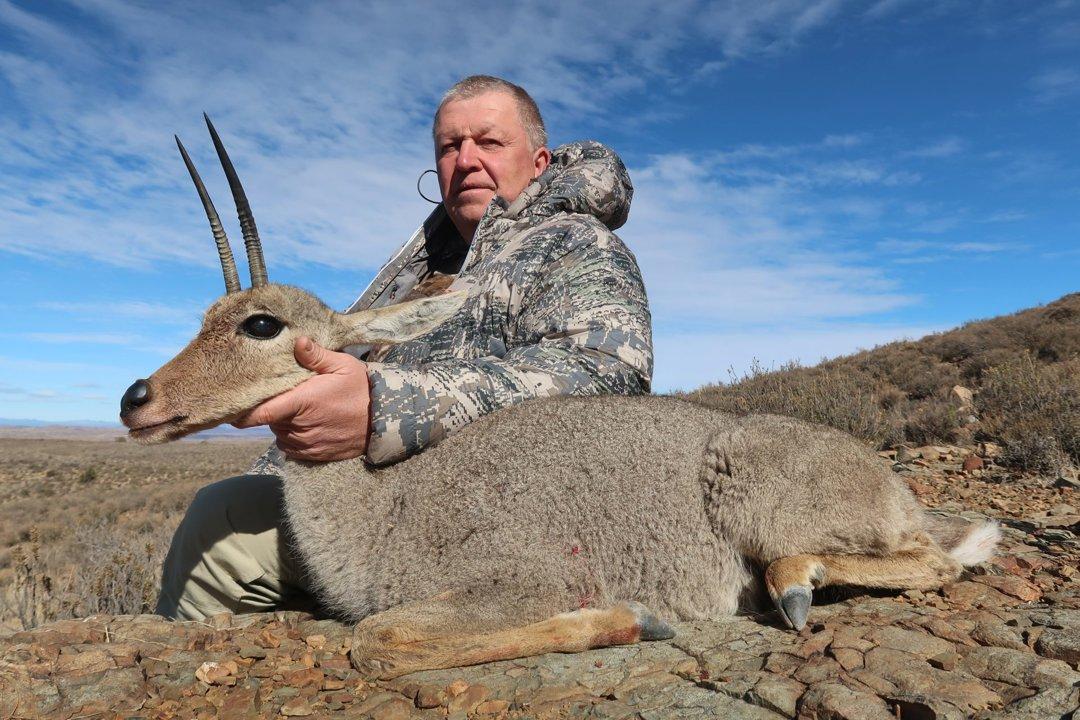
Die Jagd in Waidhofen an der Ybbs: Merkmale, Aktivitäten, Jagdtermine, Tierbestände, Methodik, Vorschriften, Organisationen, Bräuche, Kuriositäten     

Geographische und

Die Jagd in Waidhofen an der Ybbs: Merkmale, Aktivitäten, Jagdtermine, Tierbestände, Methodik, Vorschriften, Organisationen, Bräuche, Kuriositäten Geographische und natürliche Merkmale Der Bezirk Waidhofen an der Ybbs, gelegen im westlichen Niederösterreich, bietet eine faszinierende Kombination aus dichten Wäldern, sanften Hügeln und den malerischen Ufern der Ybbs. Mit einem Waldanteil von etwa 60 % und zahlreichen Feuchtgebieten entlang kleinerer Bäche ist die Region ein ideales Revier für unterschiedliche Wildarten. Die Nähe zu den Ausläufern des Ötscher und des Hochkar sowie das raue Klima machen Waidhofen zu einem attraktiven Ziel für Jäger, die Herausforderungen suchen. Aktivitäten der lokalen Jäger in Waidhofen an der Ybbs Im Bezirk sind rund 500 aktive Jäger registriert (Stand 2024), wobei die meisten aus der lokalen Bevölkerung stammen. Etwa 8 % der Jäger kommen aus dem benachbarten Ausland, vor allem aus Tschechien und Slowenien. Besonders hervorzuheben ist die sta

Post: 8 August 14:58

Jagd im ALLGÄU: Landschaft, Struktur und Anzahl der Jägerschaft, Bejagungsformen und gelebte Jagdbräuche

Landschaftliche Rahmenbedingungen für die Jagd

Das Allgäu zeich

Jagd im ALLGÄU: Landschaft, Struktur und Anzahl der Jägerschaft, Bejagungsformen und gelebte Jagdbräuche Landschaftliche Rahmenbedingungen für die Jagd Das Allgäu zeichnet sich durch seine alpine und voralpine Topografie aus, die ideale Voraussetzungen für das Jagen schafft. In Höhenlagen von 700 bis über 2.000 Metern entstehen vielfältige Lebensräume für Wildarten. Die bewaldeten Hänge der Allgäuer Alpen sind Heimat kräftiger Gams- und Rotwildbestände, während die tiefer gelegenen Täler besonders für Rehwild optimale Bedingungen bieten. Hochmoore, Felsregionen und ausgedehnte Weideflächen sorgen zusätzlich für jagdliche Abwechslung. Rund um Oberstdorf und Sonthofen gelten die Reviere als besonders wildreich. Struktur und Anzahl der Jägerschaft im Allgäu Im Allgäu sind aktuell rund 8.500 Waidmänner und Waidfrauen aktiv (Stand 2023), was einer Dichte von etwa 1,5 Jägern pro Quadratkilometer entspricht. Die Mehrheit stammt aus der Region selbst und praktiziert die Jagd oft in Familie

Post: 4 August 10:45

Hunting in Tanga Region, Tanzania: Laws, Clubs and Geography. Useful Information about Organizations for Hunters

Natural Features of Tanga Region and Tanzania

Tanga Reg

Hunting in Tanga Region, Tanzania: Laws, Clubs and Geography. Useful Information about Organizations for Hunters Natural Features of Tanga Region and Tanzania Tanga Region, located in northeastern Tanzania, encompasses diverse landscapes ranging from the Indian Ocean coastline to the Usambara Mountains. Covering approximately 26,677 km², the region includes savannahs, woodlands, and tropical forests. Notable protected areas include the Handeni Game Controlled Area, spanning about 1,500 km², known for its mix of savannah and woodland habitats supporting species like buffalo and giraffes. Additionally, the Amani Nature Reserve in the East Usambara Mountains is recognized for its rich biodiversity and unique flora and fauna. Demographics and Statistics of Tanga Region As of the 2022 census, Tanga Region has a population of approximately 2,615,597 people. The region is home to various ethnic groups, including the Sambaa, Digo, Bondei, Segeju, Mbugu, Nguu, Dhaiso, and Zigua. While spec

Post: 16 July 14:03

Hunting in Singida Region, Tanzania: Hunting Seasons, Clubs and Demographics, Hunting Organizations of Tanzania

Natural Features and Aspects in Singida Region

Singida R

Hunting in Singida Region, Tanzania: Hunting Seasons, Clubs and Demographics, Hunting Organizations of Tanzania Natural Features and Aspects in Singida Region Singida Region, located in central Tanzania, encompasses approximately 49,340 km² of diverse landscapes. The terrain is characterized by semi-arid plains, scattered woodlands, and rocky outcrops. The region experiences a semi-arid climate with a single rainy season from November to April, influencing wildlife distribution and hunting conditions. Notably, the Simbanguru/Igwamadete Open Areas in Manyoni District are designated for resident hunting, offering opportunities for sustainable game harvesting. Hunters and Demographics in Tanzania As of the 2022 census, Singida Region has a population of approximately 1.7 million people. The region is predominantly rural, with communities engaged in agriculture and livestock rearing. While specific data on the number of hunters is not readily available, the presence of designated res

Post: 16 July 06:19

Hunting in Shinyanga Region, Tanzania: Clubs, Laws and Legislation. Find out about Demographics of Tanzania

Natural Aspects and Geographical facts about Shinyanga Tanzan

Hunting in Shinyanga Region, Tanzania: Clubs, Laws and Legislation. Find out about Demographics of Tanzania Natural Aspects and Geographical facts about Shinyanga Tanzania Shinyanga Region, situated in northwestern Tanzania, spans approximately 50,781 km². The terrain is predominantly flat with scattered acacia woodlands and open savannas, providing ideal habitats for various game species. The region's climate is semi-arid, characterized by a single rainy season from October to May, which influences wildlife movement and hunting conditions. Statistics, Hunters and Demographics in Tanzania As of the 2022 census, Shinyanga Region has a population of approximately 1.5 million people. The region is predominantly rural, with communities traditionally engaged in agriculture and livestock keeping. While specific data on the number of hunters is not readily available, the region's rural communities and rich wildlife suggest a presence of both local and visiting hunters. Hunting Practices

Post: 14 July 12:13

Hunting in Njombe Region, Tanzania: Hunting Seasons and Clubs, Laws and Legislation, Tanzanian Hunting Organizations
Geographical Features about Njombe Region Hunting 

N

Hunting in Njombe Region, Tanzania: Hunting Seasons and Clubs, Laws and Legislation, Tanzanian Hunting Organizations Geographical Features about Njombe Region Hunting Njombe Region, located in Tanzania's Southern Highlands, spans approximately 24,994 km², with 14.8% comprising water bodies like Lake Nyasa. The terrain features the Kipengere Range, also known as the Livingstone Mountains, characterized by montane grasslands and evergreen forests. The region's elevation ranges from 600 to 3,000 meters, contributing to its diverse ecosystems. Demographics of Mjombe and Regional Data As per the 2022 census, Njombe Region has a population of approximately 889,946. The area is predominantly rural, with communities traditionally engaged in subsistence activities. While specific data on the number of hunters is not readily available, the region's natural resources suggest a presence of both local and visiting hunters. Hunting Practices and Traditions of Tanzania Hunting in Tanzania is r

Post: 13 July 09:35

Hunting in Mbeya Region, Tanzania: Laws and Legislation, Clubs and Hunting Seasons, Geography of Tanzania

Natural and Geographic Aspects of Mbeya Region, Tanzania

Mbeya

Hunting in Mbeya Region, Tanzania: Laws and Legislation, Clubs and Hunting Seasons, Geography of Tanzania Natural and Geographic Aspects of Mbeya Region, Tanzania Mbeya Region, situated in southwestern Tanzania, spans approximately 35,954 square kilometers. The region boasts diverse landscapes, including highland valleys, volcanic mountains, and riverine ecosystems. Elevations range from 1,600 to 2,400 meters above sea level, with Mount Rungwe reaching 2,961 meters. The area experiences a subtropical highland climate, characterized by humid summers and dry winters, with annual rainfall averaging around 900mm. This varied topography and climate support a rich biodiversity, offering hunters a unique environment to pursue various game species. Local Demographics and Hunting Groups in Mbeya As of the 2022 census, Mbeya Region has a population of approximately 2.34 million people. The region is home to various ethnic groups, including the Nyakyusa, Safwa, Sangu, and Ndali, many of whom

Post: 11 July 09:43

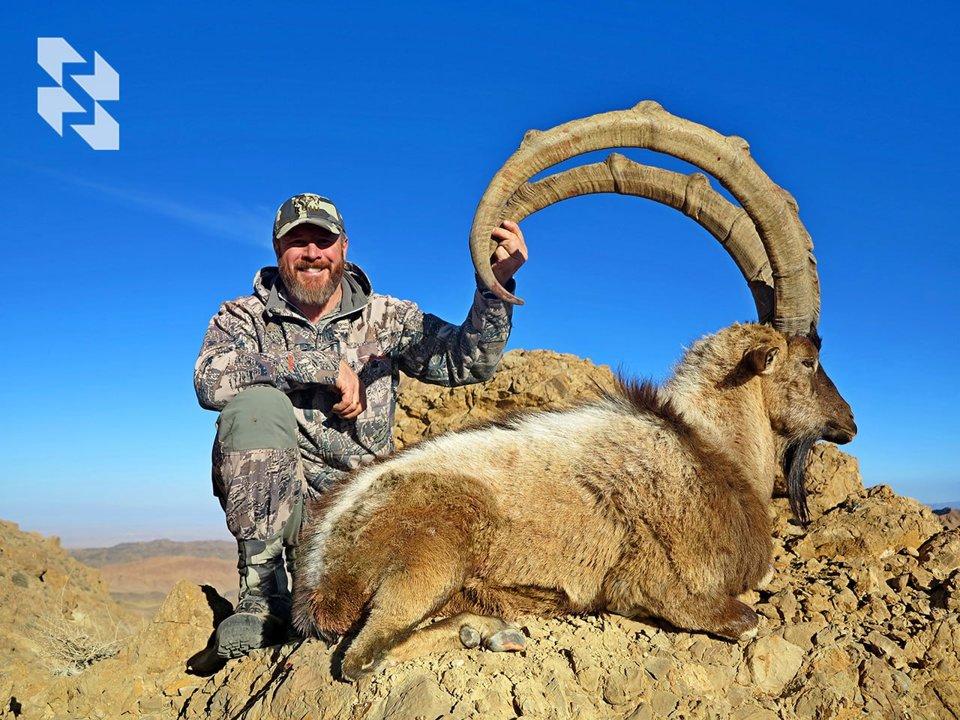
We are starting to accept applications for booking tours to Iran
1️⃣ Kerman ram
2️⃣ Isfahan mouflon
3️⃣ Persian desert goat

📆 October or December. Or already January-Ma

We are starting to accept applications for booking tours to Iran 1️⃣ Kerman ram 2️⃣ Isfahan mouflon 3️⃣ Persian desert goat 📆 October or December. Or already January-March 2026. Now you can choose convenient dates. ❣️We offer a VERY interesting price for a combination: any of these rams + goat = $38,000 ❤️ Your benefit is $7,000 🔻The hunt takes place in the province of Kerman, the city of Refsenjan and in the province of Yazd, the city of Mehriz. 🔻The combination will require 10 days of hunting. 🔻We organize hunting, flights, VIP lounges, visas, excursion services after hunting in the most interesting places of the country with a Russian-speaking guide and everything you may need in 🇮🇷 Iran. Send applications here ⬇️ 💬 write to Telegram (https://t.me/safari_stalker) 📞 +7 903 755-79-05 #hunting_in_iran #hunting_rams

Post: 12 June 06:41

Caccia nelle Riserve Private Italiane: Esclusività, Tradizione e Gestione Sostenibile 

Caratteristiche geografiche e naturali della regione dal punto di vista venatorio

Caccia nelle Riserve Private Italiane: Esclusività, Tradizione e Gestione Sostenibile Caratteristiche geografiche e naturali della regione dal punto di vista venatorio Le riserve private italiane, come Tenuta La Selva (Toscana) e Riserva San Rossore (Toscana), si estendono su oltre 500.000 ettari tra boschi secolari, colline, paludi e parchi storici. Queste aree, gestite da enti privati o famiglie nobiliari, ospitano ecosistemi ricchi: dai faggi delle Riserve dell’Appennino alle paludi costiere della Maremma , ideali per fauna come cervi, cinghiali, fagiani e rapaci. Demografia dei Cacciatori: Un Focus su Numero, Età, Sesso In Italia, ~600.000 cacciatori (2023) frequentano le riserve private, con un focus su: Toscana (25% degli utenti), per la caccia al cinghiale. Piemonte (15%), specialmente per il cervo nobile. Sardegna (10%), nota per la pernice sarda. Il 40% dei frequentatori sono stranieri (tedeschi, francesi, svizzeri), attratti da pacchetti "all-inclusive". Tipologie di

Post: 11 June 14:38

Chasse dans les PYRÉNÉES: Caractéristiques géographiques, démographie des chasseurs, traditions et espèces typiques

Les Pyrénées, chaîne montagneuse frontalière entre la

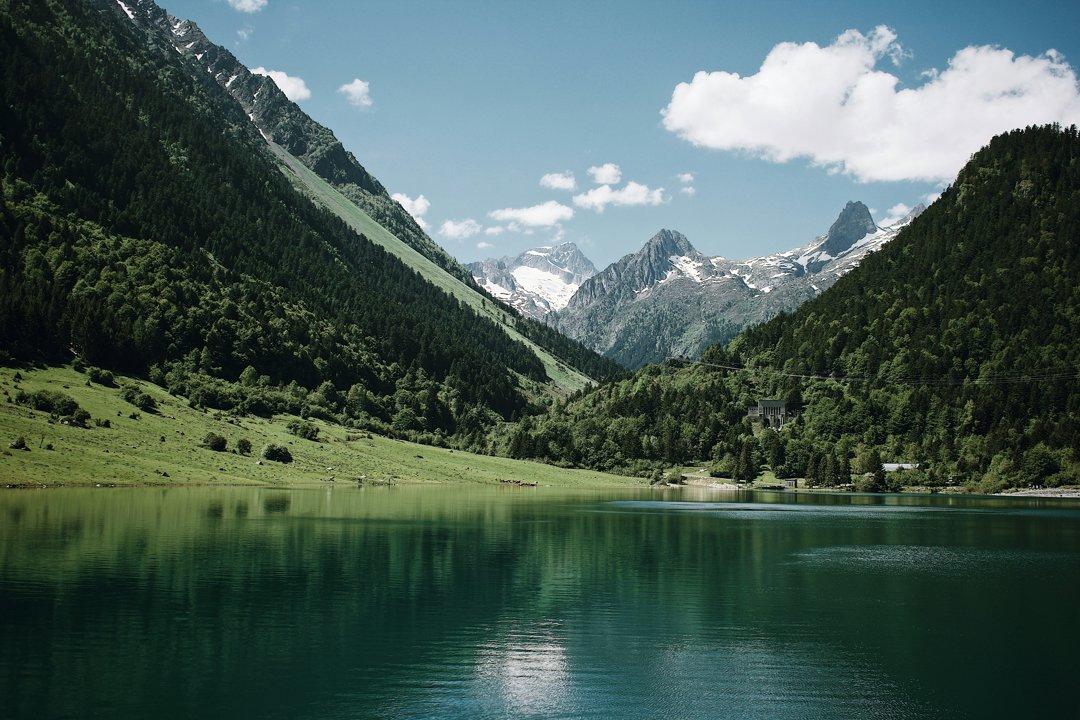
Chasse dans les PYRÉNÉES: Caractéristiques géographiques, démographie des chasseurs, traditions et espèces typiques Les Pyrénées, chaîne montagneuse frontalière entre la France et l’Espagne, offrent aux chasseurs un environnement préservé où la faune sauvage et les traditions séculaires se conjuguent. Région mythique pour les amateurs de nature, elle impose son rythme et ses règles. Découvrez les clés pour pratiquer la chasse dans les Pyrénées. Démographie des Chasseurs En 2023, les Pyrénées comptent environ 25 000 chasseurs, répartis entre les départements français (Pyrénées-Atlantiques, Hautes-Pyrénées, Ariège) et les communautés espagnoles. La pratique y est fortement liée à la ruralité : 60 % des chasseurs sont des résidents locaux, tandis que 40 % sont des « chasseurs de loisir » venus des grandes villes (Toulouse, Bordeaux). Géographie et Biodiversité Les Pyrénées présentent des écosystèmes uniques : - Hauts sommets (Pic du Midi, Vignemale) : refuge du gypaète barbu et du cha

Post: 10 June 20:35

Innlandet Moose Hunting in Norway: A Premier Destination for Hunters. Hunting Legislation, Hunting Traditions and Interesting Facts About Hunting

Geographical and Natura

Innlandet Moose Hunting in Norway: A Premier Destination for Hunters. Hunting Legislation, Hunting Traditions and Interesting Facts About Hunting Geographical and Natural Features: Landscape and Ecosystems of Innlandet Innlandet, Norway’s largest inland county, is a region of vast forests, rolling hills, and expansive mountain plateaus. Located in the eastern part of the country, it encompasses areas such as Gudbrandsdalen, Østerdalen, and parts of the Rondane and Jotunheimen mountain ranges. The region’s diverse landscapes, ranging from lowland forests to alpine tundra, provide ideal habitats for moose and other game species. Innlandet’s climate features cold winters with heavy snowfall and mild summers, making it a prime location for hunting. Hunters and Demographics: Statistics of Innlandet Innlandet has a population of approximately 370,000 people, with hunting being a deeply rooted tradition. The region is home to around 20,000 registered hunters (2021 data), making it one o

Post: 3 June 14:39

Quand Christophe Auvret t’explique…😊

Il a commencé à tirer à 10 ans les rats qui venaient trainer au fond du son jardin.
Christophe AUVRET remporte en junior le champio

Quand Christophe Auvret t’explique…😊 Il a commencé à tirer à 10 ans les rats qui venaient trainer au fond du son jardin. Christophe AUVRET remporte en junior le championnat d’Europe en Espagne, en 1999. À 18 ans il devient le gérant du club de Ball-Trap de la Rapée, où la star Johnny HALLYDAY venait également tirer, parfois accompagné de sa bande de copains en HARLEY-DAVIDSON. Christophe Auvret remporte la médaille d’or en Double-trap aux Jeux olympiques d’été de 2000 à Sydney. 2 fois champion du monde Parcours de chasse 2011 et 2018, en France. Champion du monde de Compak 2010, en Espagne. Champion du monde de Sportrap 2016, en Angleterre. Plusieurs fois champion d’Europe de Parcours et Compak. Plusieurs fois champion de France Compak et de Parcours. Vainqueur de l’Euro Shooting Cash 2022.

Post: 15 January 11:35

Zástupci MŽP a Lesů ČR se domluvili na užší spolupráci při potírání pytláctví a ochraně zvláště chráněných druhů
Už tři roky Česko naplňuje Národní strategii řešení neleg

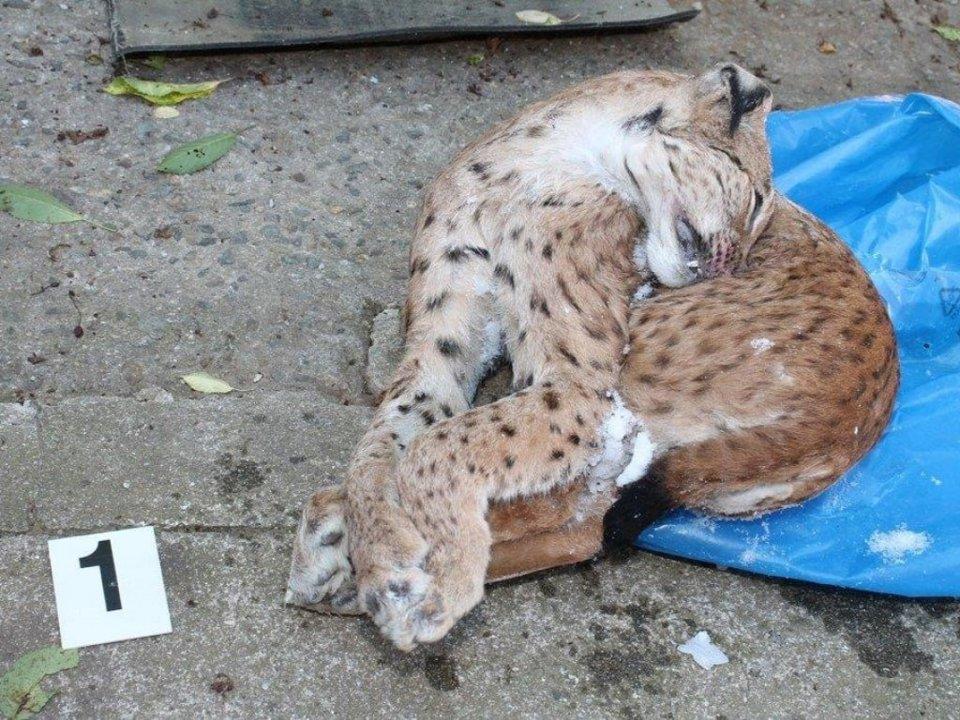
Zástupci MŽP a Lesů ČR se domluvili na užší spolupráci při potírání pytláctví a ochraně zvláště chráněných druhů Už tři roky Česko naplňuje Národní strategii řešení nelegálního zabíjení a otrav volně žijících živočichů. Ta se týká nejen činnosti Ministerstva životního prostředí, ale zapojeno je také Ministerstvo zemědělství, Ministerstvo spravedlnosti, Ministerstvo obrany a samozřejmě také jejich resortní organizace, Policejní prezidium ČR nebo Státní veterinární správa. Koordinaci zajišťuje pracovní skupina, která minulý týden zasedala, aby diskutovala o aktuálním plánu priorit. Příkladem dosavadní spolupráce je mimo jiné zohlednění nelegálního zabíjení živočichů a pytláctví při pronájmu státních honiteb. Impulsem k tomu byl také závažný případ nelegálního nakládání s ohroženými druhy, takzvaná kauza Kameňák. Zastřelený rys a další části chráněných druhů byly v roce 2020 nalezeny v mrazáku a domě předsedy mysliveckého sdružení Jelen Kameňák, který byl odsouzen k peněžitému trestu za n

Post: 22 November 18:01

Livonijas ordeņa mūra pils ir senākā celtne Dobelē un valsts nozīmes kultūras piemineklis. Šī vieta nesen piedzīvojusi pārbūvi - pārbūvēta Dobeles Livonijas ordeņa pils k

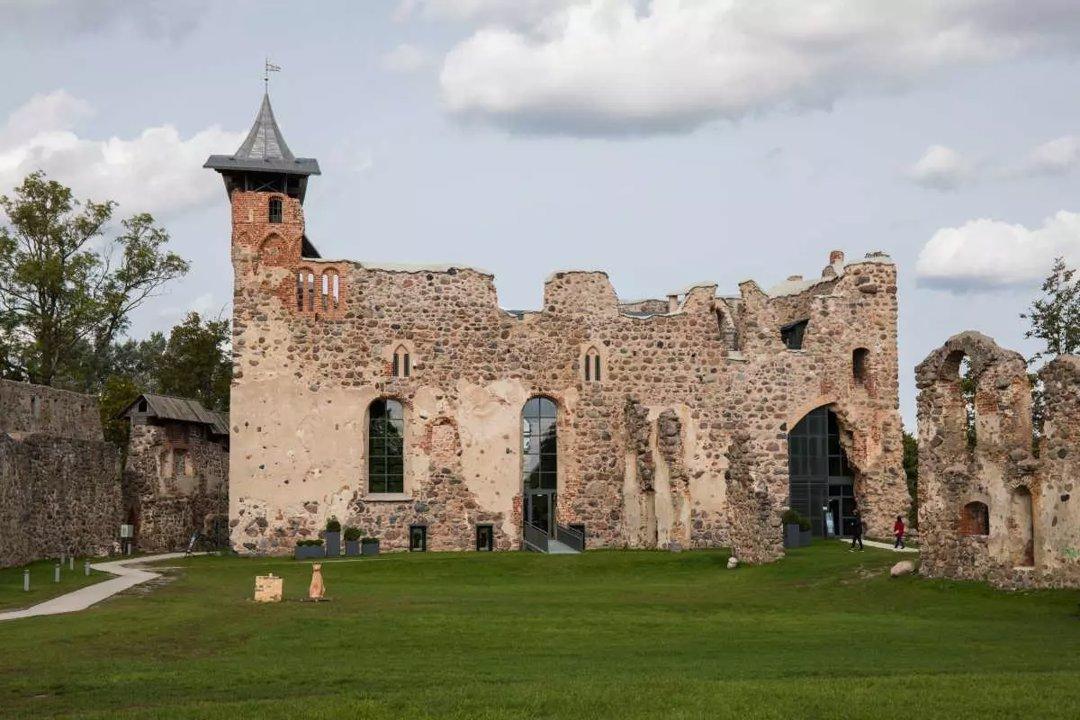
Livonijas ordeņa mūra pils ir senākā celtne Dobelē un valsts nozīmes kultūras piemineklis. Šī vieta nesen piedzīvojusi pārbūvi - pārbūvēta Dobeles Livonijas ordeņa pils kapela, kā arī pils laukuma teritorija. Pārbūvētā kapelas ēka ir nodota ekspluatācijā 2020. gadā, un kļuvusi par daudzfunkcionālu, kultūras, amatniecības un tūrisma attīstības centru ar nosaukumu "Dobeles Pils". Zemgaļu koka pils vietā pils ir celta no 1335. līdz 1359. gadam. Pils bijusi apdzīvota līdz 1730. gadam. Dobeles senāko iedzīvotāju – zemgaļu – apmetne te atradusies jau 1000 gadus p.m.ē. Senās pilsētas ielokā bijusi uzcelta zemgaļu koka pils, kur bijis viens no seno zemgaļu administratīvajiem centriem. Pils vairākkārt minēta Atskaņu hronikā, stāstot par kaujām, kas 13. gadsimtā notika starp vietējiem iedzīvotājiem un vācu bruņiniekiem. No 1279. līdz 1289. gadam Dobeles pils izturēja sešus ienaidnieka aplenkumus. 1289. gadā zemgaļi neuzvarēti pili pameta, paši to nodedzinot, un devās uz Rakti Lietuvā. No 1335.

Post: 15 August 17:54

С давних времен понятие «тихая <strong>охота</strong>» стало устойчивым идиоматическим выражением и прочно ассоциируется со сбором грибов. Встреча с грибом всегда сопряже

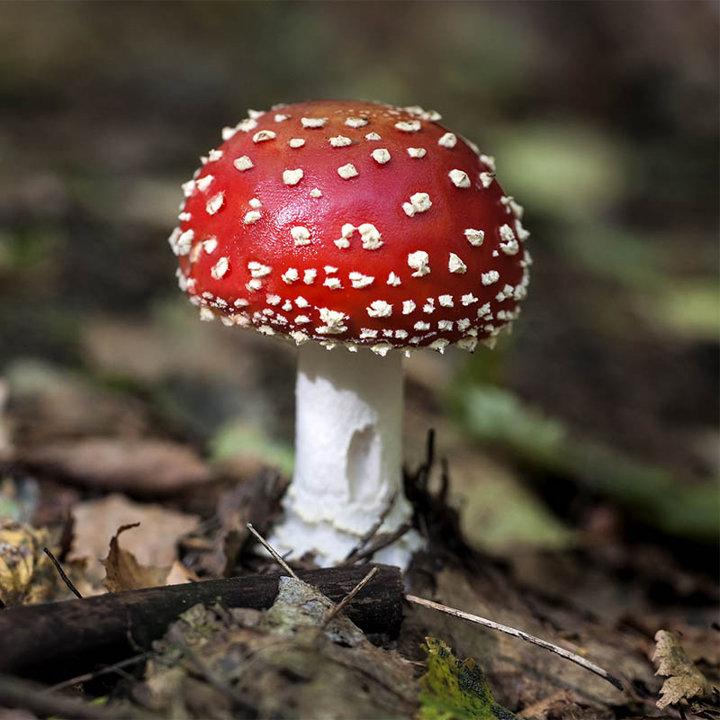
С давних времен понятие «тихая охота» стало устойчивым идиоматическим выражением и прочно ассоциируется со сбором грибов. Встреча с грибом всегда сопряжена с опасностью, так как, съев его, можно получить ни с чем не сравнимое гастрономическое удовольствие или же смертельное отравление. Долгое время существовала официальная версия, что гриб впитывает ядовитые вещества из окружающей среды. Этим же обстоятельством объясняли бурный рост грибов около змеиных нор, мусорных свалок, кладбищенских оград или зарослей ядовитых растений.

Post: 4 October 13:45

Священник Джек Рассел очень любил охотиться верхом и поставил себе целью вывести охотничью собаку, соответствующую своим нуждам. <strong>В</strong> результате скрещивания

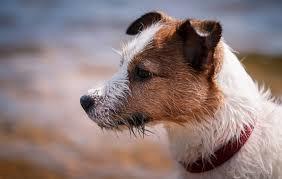
Священник Джек Рассел очень любил охотиться верхом и поставил себе целью вывести охотничью собаку, соответствующую своим нуждам. В результате скрещивания различных пород терьеров получился Парсон Рассел терьер. Это собака небольшого размера, гибкая и проворная, отличный охотник на норных животных. Парсон Рассел терьеры настигают добычу в норе, откуда охотник извлекает пса вместе с дичью, вытягивая собаку за хвост. Оказавшись же внутри широкой просторной норы, терьер громким лаем указывал охотнику своё местонахождение. Длинные ноги позволяют Парсон Рассел терьерам быстро передвигаться по различным типам ландшафта. Как и все терьеры, представители данной породы энергичны, бойки, бесстрашны и выносливы.

Post: 19 October 09:35

Прогулка третья. Кревлянка
Длина маршрута около 25 км
Длина реки 20 км

Речушка начинается почти <strong>в</strong> самом Крево (1274 г.) – местечке, где 14 августа 1375

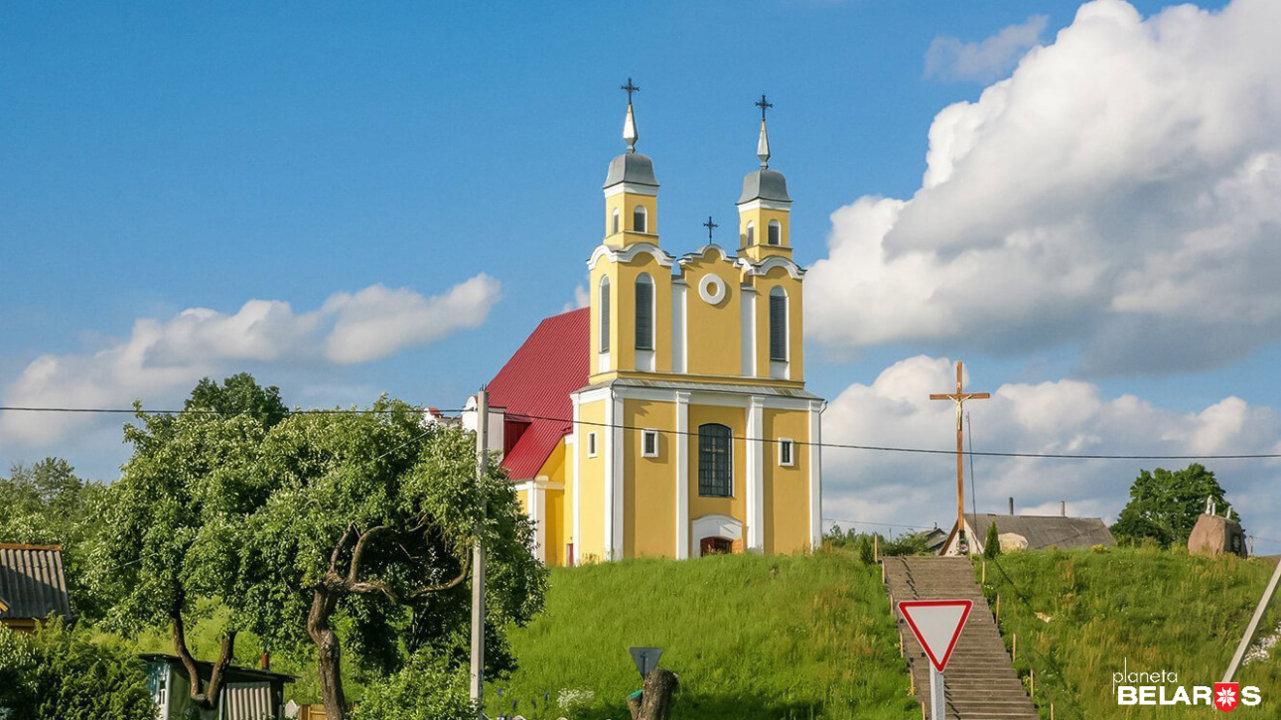
Прогулка третья. Кревлянка Длина маршрута около 25 км Длина реки 20 км Речушка начинается почти в самом Крево (1274 г.) – местечке, где 14 августа 1375 г. была подписана Кревская уния. 7 августа 1559 г. Крево получило Магдебургское право. Возле места слияния Кревлянки и Шляхтянки построили замок, который ныне реставрируется. Здесь невероятный рельеф, городище с качелями на самой высшей точке. Покататься с ветерком – это как окунуться в детство. Кроме насыщенной истории и холмов, здесь сохранился ряд старинных зданий: костел (1387 г.), церковь (1854 г.), замок, паровая мельница, камни, родники, курганы и многое другое.

Post: 6 September 10:01

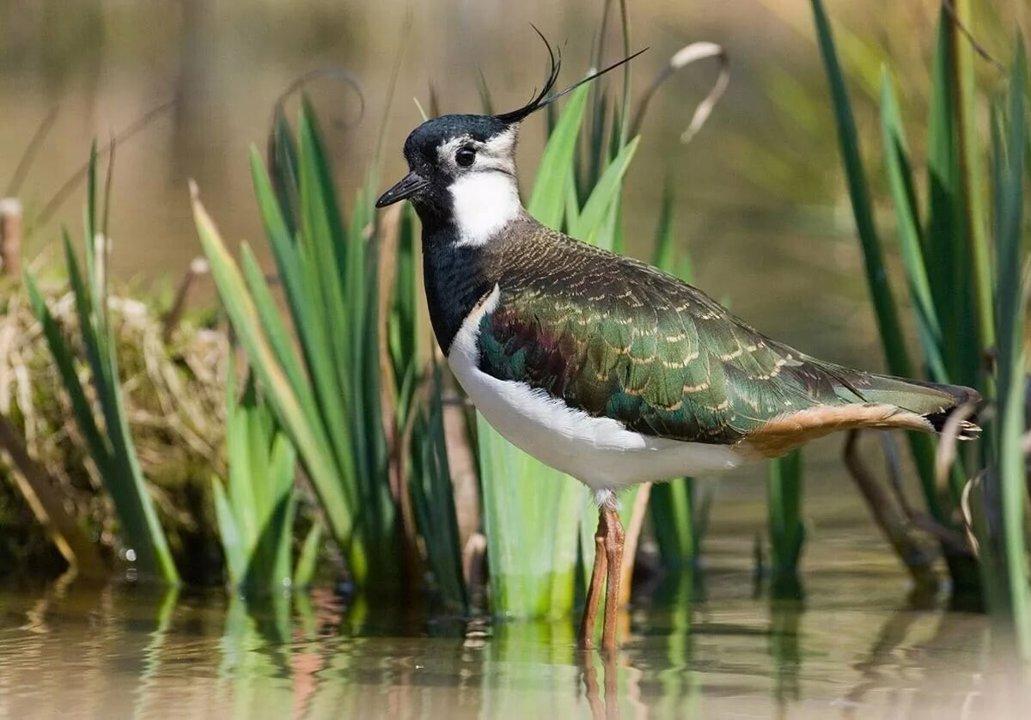
Чибис величиной с галку или чуть поменьше. От других куликов он легко отличим своей чёрно-белой окраской и тупыми крыльями. Верхняя сторона с сильным металлическим зелёны

Чибис величиной с галку или чуть поменьше. От других куликов он легко отличим своей чёрно-белой окраской и тупыми крыльями. Верхняя сторона с сильным металлическим зелёным, бронзовым и пурпурным блеском; грудь чёрная; бока тела, брюшко и бока головы белые; кроющие перья хвоста рыжие; основная половина рулевых перьев, как и у всех родственных чибису видов, чисто белые; на голове хохол из очень узких длинных перьев. В летнем наряде и горло, и зоб чёрные, в зимнем здесь заметна большая примесь белых перьев. Клюв чёрный; глаз тёмно-бурый; четырёхпалые ноги малиновые. Размеры крыла 21,5—23,75 сантиметра.

Post: 15 August 11:20

РЕБРА БОБРА <strong>В</strong> ПИВЕ

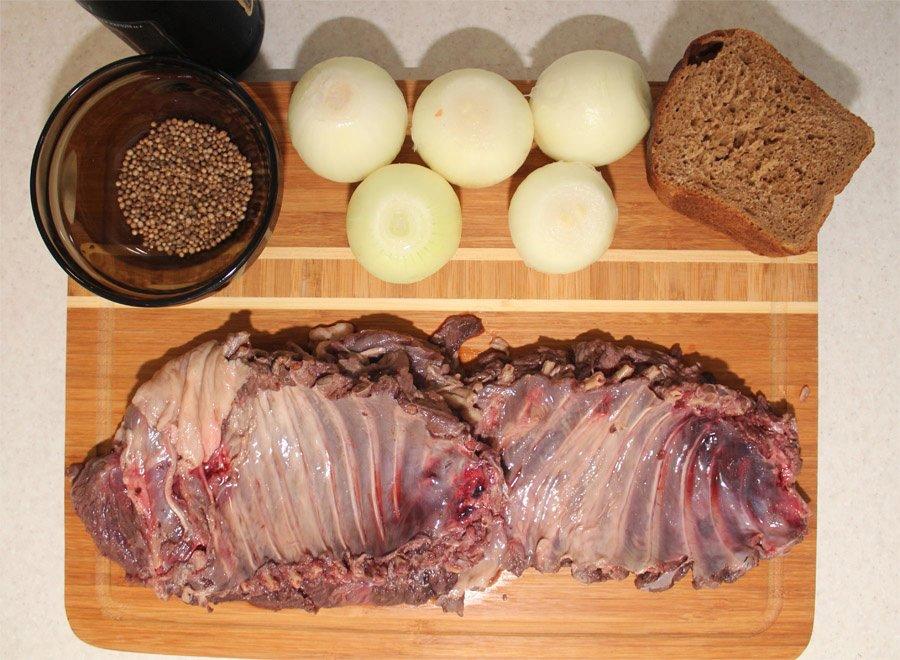
На 1 кг бобровых ребер потребуется: 5 небольших луковичек, 0,5 л пива (или даже литр, если бобр старый), 4 столовые ложки меда, 100 г

РЕБРА БОБРА В ПИВЕ На 1 кг бобровых ребер потребуется: 5 небольших луковичек, 0,5 л пива (или даже литр, если бобр старый), 4 столовые ложки меда, 100 г муки или 150 г хорошего черного или бородинского хлеба, чайная ложка кориандра (не больше) или пара веточек тимьяна, сливочное масло для жарки, соль и черный перец по вкусу. Все просто: тщательно вымоченные и избавленные от жира ребра бобра разделите на небольшие сегменты и обжарьте в большом количестве сливочного масла на горячей сковороде. Если после жарки первой партии масло почернело и пригорело – сковороду нужно вымыть – иначе будет горчить. Отдельно обжарьте на сливочном же масле нарезанный колечками лук. Но помните, что это – продукт деликатный, сковорода не должна быть слишком горячей, иначе лук подгорит. Сложите все в емкость для тушения, залейте пивом и тушите на слабом огне (чтобы слегка булькало). Прибылому бобру хватит часа, «аксакалу» нужно минимум два и пива побольше – оно испаряется при тушении и «рагу» может начать пр

Post: 24 October 10:32

Привет, друзья рыболовы! Вот что я могу рассказать о моей ночной рыбалке с хорошим уловом:

Недавно отправился я на ночную рыбалку вместе с друзьями, и у нас было весьма

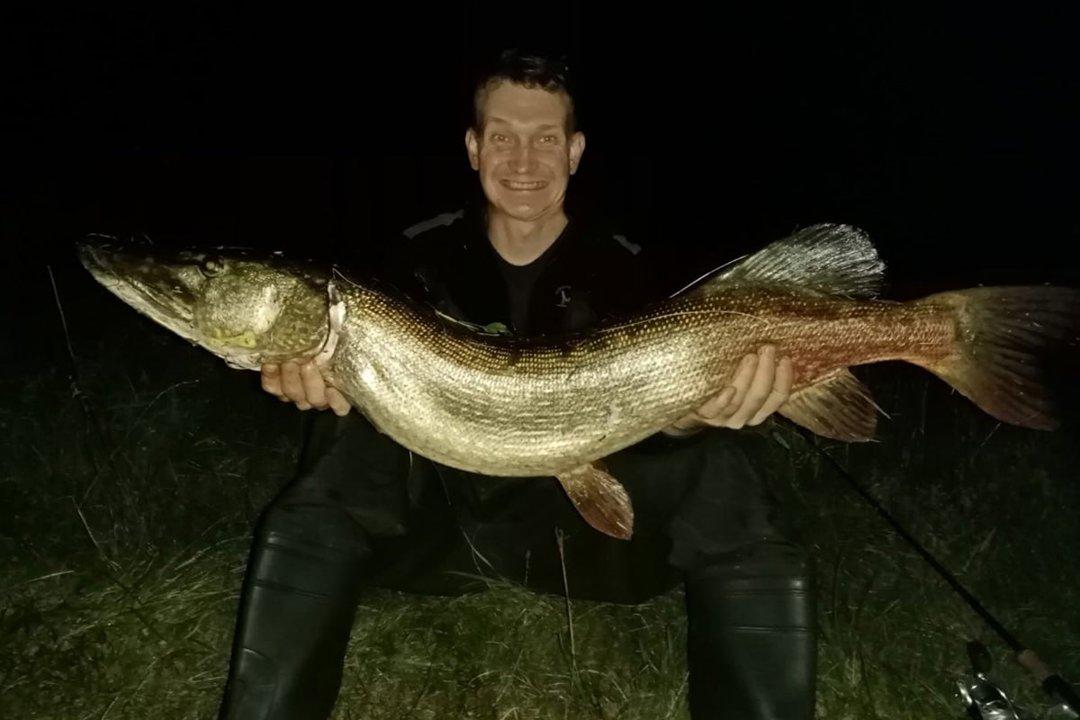
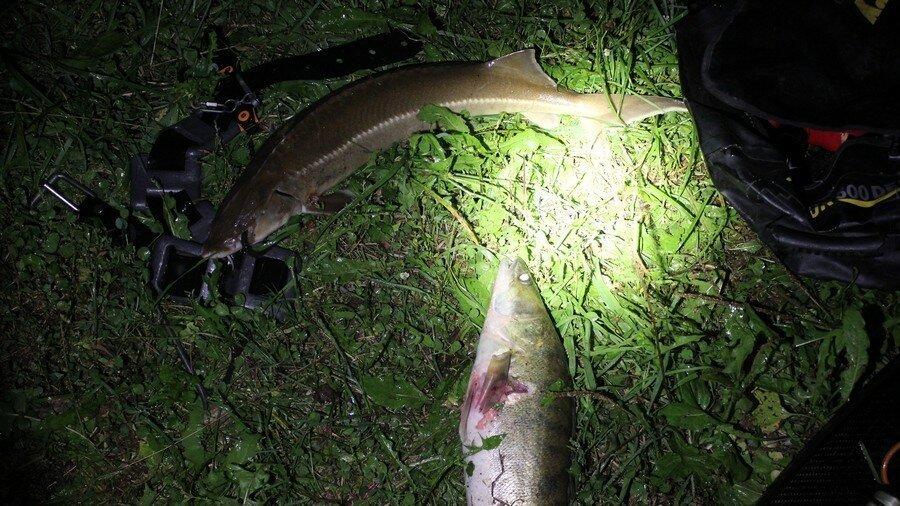
Привет, друзья рыболовы! Вот что я могу рассказать о моей ночной рыбалке с хорошим уловом: Недавно отправился я на ночную рыбалку вместе с друзьями, и у нас было весьма волнительное приключение. В конце долгой ночи мы вернулись с отличным уловом. Мы решили отправиться на рыбалку поздно вечером, так как ночные часы часто бывают более успешными для ловли. Мы выбрали уединенное место на берегу озера, подальше от городской суеты, чтобы максимально насладиться тишиной природы. Вооружившись удочками, наживкой и надежной фонарикой, мы отправились к воде. Ночное небо было звёздным, и мгновение, когда я бросил свою наживку в тёмные воды, было невероятно спокойным и медитативным. Пару часов мы сидели и ждали, пока рыба покажет себя. И вдруг, в один момент, моя удочка начала покачиваться. Эмоции били через край, когда я начал крутить катушку и поднимать удочку. Оказалась это крупная щука, и улов обещал быть отличным! Всю ночь мы ловили щук, окуня и карпа. Улов был настолько хорошим, что нам

Post: 20 October 09:11

Желтоносая, или черная, кряква
Селезень кряквы, как и селезни других уток, кроме огаря и пеганки, никакого участия <strong>в</strong> заботе о потомстве не принимает. Мат

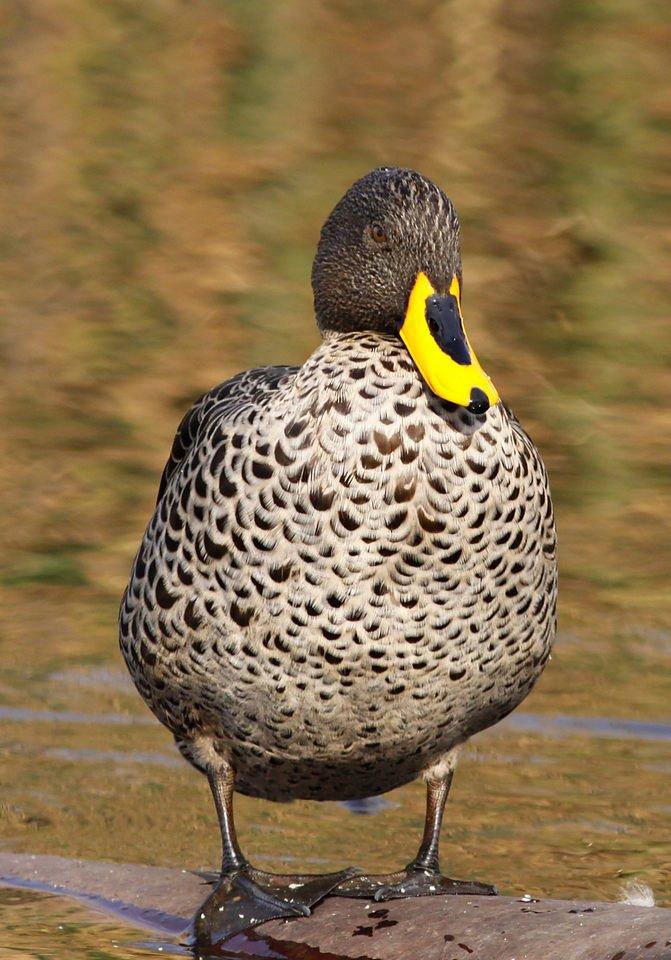
Желтоносая, или черная, кряква Селезень кряквы, как и селезни других уток, кроме огаря и пеганки, никакого участия в заботе о потомстве не принимает. Матка же нежно заботится о детенышах, самоотверженно защищает их от врагов. Развиваются утята довольно быстро и к месячному возрасту уже весят по 500—600 граммов. Оперяется молодняк постепенно. Позднее всего у него вырастают маховые перья, и потому подросшие и взматеревшие утята некоторое время еще не могут летать. Спасаясь от опасности и быстро удирая по воде, они усиленно хлопают неоперенными крыльями, за что и получили у охотников название хлопунов или хлопунцов. К двухмесячному возрасту кряковые утята совместно со старкой начинают совершать перелеты. У кряквы много врагов. Ее гнезда разоряют лисицы и енотовидные собаки, вороны и болотные луни, а в первые дни по выходе из гнезда утята страдают и от щук. Иногда утка, в случае гибели первой кладки яиц, делает вторую, строя для этого новое гнездо. Яиц во второй кладке всегда бывает меньше

Post: 7 July 11:02

Окунь на спиннинг на реке

Речного окуня можно поймать на самые разные приманки. Я чаще всего делаю это на джиг и съедобную резину, на вращающиеся блесны, и на воблеры. К

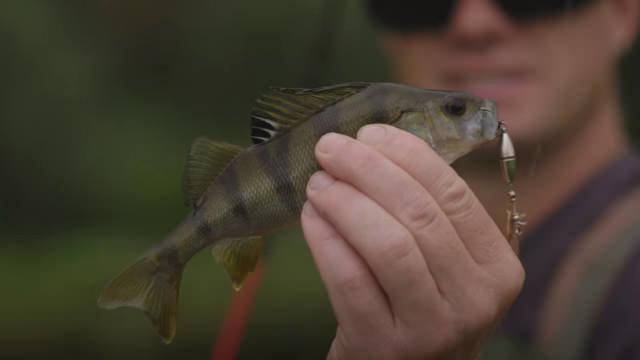
Окунь на спиннинг на реке Речного окуня можно поймать на самые разные приманки. Я чаще всего делаю это на джиг и съедобную резину, на вращающиеся блесны, и на воблеры. К примеру, микроджиг хорошо покажет себя на глубоких местах, куда не опустится блесна и воблер. А по сезону, на мой взгляд, лучше всего весна или осень, когда вода в реке холодная. Вертушка неплохо работает в середине лета, по самой теплой воде, и на участках реки со средней глубиной, а воблером получается хорошо облавливать речное мелководье, летом или в межсезонье, с умеренной температурой воды. Следующий совет о том, где искать речного окуня. Чаще всего эта рыба стоит вдоль обрывистых крутых берегов или у какой-то береговой растительности. Лучшая проводка для окуня на реке, на мой взгляд – вдоль берега. Джиговыми приманками и воблерами лучше делать заброс по течению реки, а вот с вертушками нередко срабатывает так называемая проводка апстримом, когда мы забрасываем приманку против течения речки и сплавляем вниз.

Post: 9 June 21:38

Какие животные спят стоя?

Наверное, никогда не угаснет интерес к животным. Данная тема всегда была и есть популярной и любимой многих. Но парадокс: чем больше человек уз

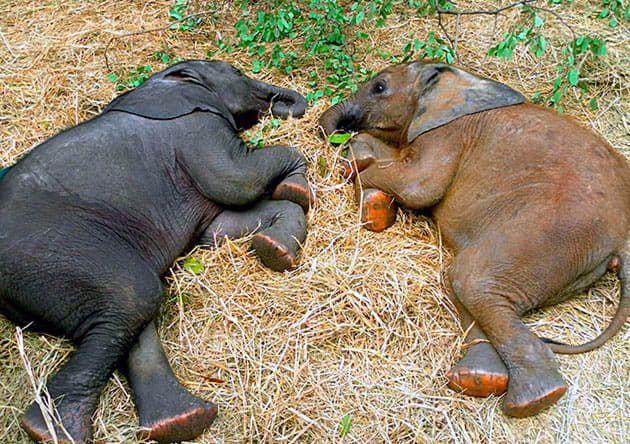
Какие животные спят стоя? Наверное, никогда не угаснет интерес к животным. Данная тема всегда была и есть популярной и любимой многих. Но парадокс: чем больше человек узнает о повадках и жизни животных, тем больше у него появляется вопросов. К примеру, какие животные спят стоя? Как спят дикие лошади? Белки Часто можно услышать, что белки спят, завернувшись в хвост. Не то, чтобы это было совсем не так, скорее, это часть правды. На самом деле белки в этом отношении похожи на многих других животных: они спят так, как лягут. Совсем как мы. Иногда они и в хвост заворачиваются, а иногда похожи на вернувшихся с гулянки пингвинов. Жирафы Пожалуй, один из самых интересных вопросов — это как спят жирафы? Действительно, на первый взгляд, с такой длинной шеей устроиться на отдых довольно проблематично. Но у природы всё продумано. Жирафы спят, согнув шею так, чтобы голова оказалась на нижней части задней конечности. Весь процесс укладывания занимает 15–20 секунд. Сначала жирафы опускаются на г

Post: 4 November 00:01

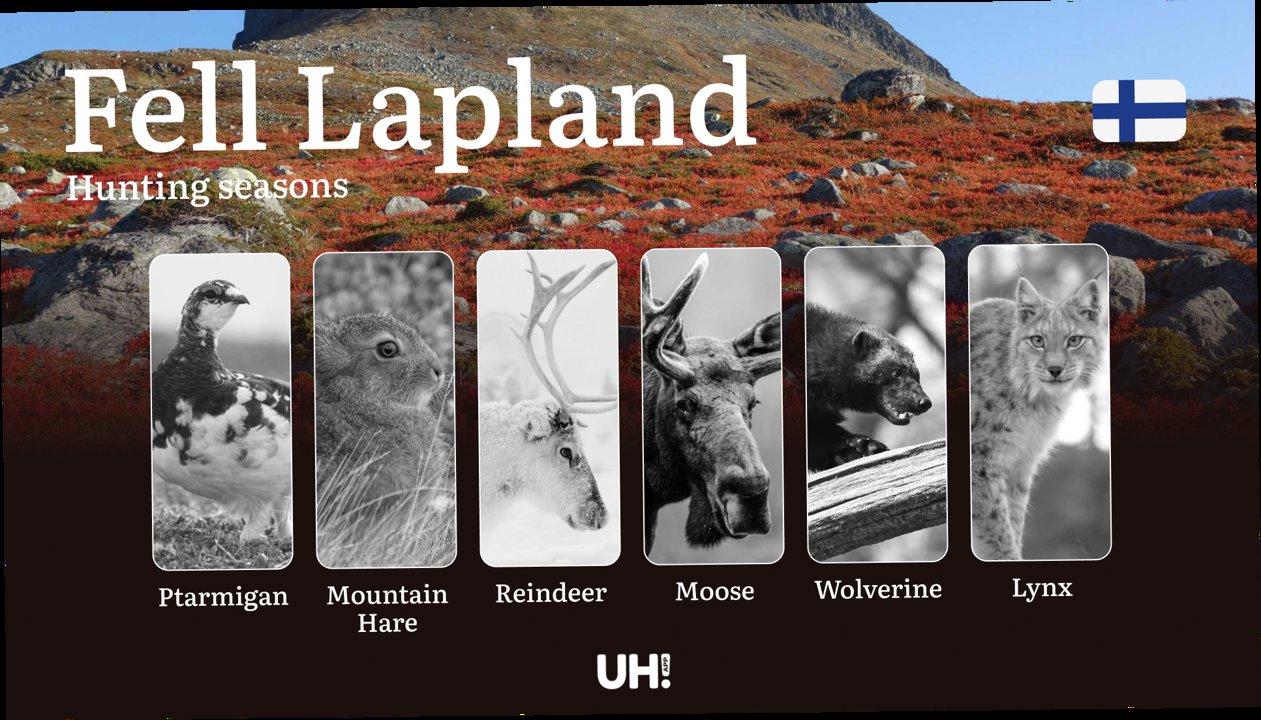
Hunting Seasons in FELL LAPLAND: Required Documents, Restrictions, General Rules, Penalties for Violating Regulations and Optimal Hunting Periods

Fell Lapland, located i

Hunting Seasons in FELL LAPLAND: Required Documents, Restrictions, General Rules, Penalties for Violating Regulations and Optimal Hunting Periods Fell Lapland, located in the northernmost part of Finland, offers a unique hunting experience characterized by its distinctive seasons and regulations. Understanding the timing and rules of hunting in this region is crucial for both local hunters and international visitors seeking an authentic Arctic hunting adventure. General Rules and Hunting Periods in Fell Lapland The primary hunting season in Fell Lapland typically spans from late August to early December, though specific dates vary depending on the game species. The Finnish Wildlife Agency strictly regulates these periods based on scientific research and environmental monitoring. In 2023, the main hunting season opened on August 20th for small game and September 1st for large game, closing on December 31st for most species. The region's harsh climate and diverse landscape significan

Post: 14 August 14:48

Hunting in Unguja South (Zanzibar South), Tanzania: Legislation and Laws, Clubs and Demographics, Geography of Tanzania
Natural Features in Tanzania, Unguja South Region

Hunting in Unguja South (Zanzibar South), Tanzania: Legislation and Laws, Clubs and Demographics, Geography of Tanzania Natural Features in Tanzania, Unguja South Region Unguja South Region, located on the southern tip of Zanzibar's main island, Unguja, encompasses approximately 854 km². The region boasts diverse ecosystems, including coastal forests, coral rag zones, and mangrove swamps. Notably, the Jozani Chwaka Bay National Park, covering about 50 km², is the only national park in Zanzibar and is home to unique species such as the endangered Zanzibar red colobus monkey and Aders's duiker. Demographics of Unguja South (Zanzibar South) As of the 2022 census, Unguja South Region has a population of approximately 195,873 people. The indigenous Hadimu people are among the native ethnic groups in the region. While specific data on the number of hunters is not readily available, traditional hunting practices have been part of the local culture. Tanzanian Hunting Practices and Customs

Post: 17 July 09:33

Hunting in Tabora Region, Tanzania: Seasons, Laws and Demographics, Demographics and Geography of Tanzania

Geographical and Natural Features in Tabora Region

Tabora Reg

Hunting in Tabora Region, Tanzania: Seasons, Laws and Demographics, Demographics and Geography of Tanzania Geographical and Natural Features in Tabora Region Tabora Region, located in central-western Tanzania, is the country's largest administrative region, covering approximately 72,150 km². The terrain consists of a central plateau with elevations ranging from 1,000 to 1,500 meters above sea level. The region features diverse landscapes, including miombo woodlands, the Itigi thicket, and significant water bodies like the Ugalla and Malagarasi Rivers. Approximately 46% of Tabora is covered by forest reserves, and 22% is designated as game reserves, such as the Ugalla River National Park and Kigosi Game Reserve. Hunters and Demographics of Tabora, Tanzania As of the 2022 census, Tabora Region has a population of approximately 3,391,679 people. The region is predominantly rural, with communities engaged in agriculture and livestock rearing. The Nyamwezi and Sukuma are the primary et

Post: 16 July 12:07

Hunting in Ruvuma Region, Tanzania: Laws, Legislation and Clubs. The Hidden Practice for Hunters

Geographical and Natural Features in Ruvuma Region

Ruvuma Region, locat

Hunting in Ruvuma Region, Tanzania: Laws, Legislation and Clubs. The Hidden Practice for Hunters Geographical and Natural Features in Ruvuma Region Ruvuma Region, located in southern Tanzania, spans approximately 63,669 km², with nearly 47% covered by water bodies, including Lake Nyasa. The terrain features the Matengo Highlands and Lukumburu Mountains, reaching elevations up to 2,000 meters. The region's diverse ecosystems, comprising miombo woodlands, grasslands, and riverine forests, provide habitats for various game species. Statistics and Demographics of Ruvuma, Tanzania As of the 2022 census, Ruvuma Region has a population of approximately 1.85 million, with over 74% residing in rural areas. While specific data on the number of hunters is not readily available, the region's rural communities and rich wildlife suggest a presence of both local and visiting hunters. Hunting Aspects and Restrictions of the Area Hunting in Ruvuma follows Tanzania's national regulations to ensu

Post: 14 July 09:52

Hunting in Rukwa Region, Tanzania: Laws and Clubs, Geography and Demographics. Aspects of Legislation

Natural and Geographical Features of Tanzanian Hunting

Rukwa Regio

Hunting in Rukwa Region, Tanzania: Laws and Clubs, Geography and Demographics. Aspects of Legislation Natural and Geographical Features of Tanzanian Hunting Rukwa Region, located in western Tanzania, spans approximately 27,765 km², with 23.79% comprising water bodies like Lake Rukwa and parts of Lake Tanganyika. The region's terrain includes the Ufipa Plateau, reaching elevations up to 2,350 meters at Malonje, and diverse ecosystems such as Miombo woodlands, which are habitats for various wildlife species. Demographics and Hunting Statistics of Rukwa As of the 2022 census, Rukwa Region has a population of approximately 1,540,519. The region is home to several ethnic groups, including the Fipa, Nyiha, Lyangalile, Mambwe, and Lungu. While specific data on the number of hunters is not readily available, traditional hunting practices have been part of the local culture, primarily for subsistence purposes. Tanzanian Hunting Practices and Values Traditional hunting methods in Rukwa R

Post: 14 July 06:38

Hunting in Pemba South Region, Tanzania: Laws and Legislation, Clubs and Hunting Seasons, Demographics of Tanzania

Geographical Features of Pemba South, Tanzania

Pemba

Hunting in Pemba South Region, Tanzania: Laws and Legislation, Clubs and Hunting Seasons, Demographics of Tanzania Geographical Features of Pemba South, Tanzania Pemba South Region, located on the southern part of Pemba Island in the Zanzibar Archipelago, spans approximately 332 km². The terrain is gently undulating, with elevations reaching up to 78 meters at Chamgindo. The region experiences a tropical climate, with annual rainfall varying between 900 and 2,300 millimeters. Its diverse ecosystems include coastal forests, mangroves, and coral reefs, providing habitats for various wildlife species. Hunters and Demographics, Statistics of Population in Pemba South Region As of the 2022 census, Pemba South Region has a population of approximately 271,350 people. The region is predominantly inhabited by the Hadimu and Swahili ethnic groups. While specific data on the number of hunters is not readily available, traditional hunting practices have been part of the local culture, primar

Post: 13 July 14:22

Hunting in Mwanza Region, Tanzania: Laws and Legislation, Seasons and Clubs, Tanzanian Hunting Traditions

Natural Features and Local Geographics of Mwanza Regions

Mwanz

Hunting in Mwanza Region, Tanzania: Laws and Legislation, Seasons and Clubs, Tanzanian Hunting Traditions Natural Features and Local Geographics of Mwanza Regions Mwanza Region, situated in northwestern Tanzania, encompasses approximately 25,233 square kilometers, with over 53% of this area covered by water, primarily Lake Victoria. The region's terrain is characterized by granite outcrops and flat plains, providing diverse habitats for various wildlife species. Notably, Ukerewe Island, the largest lake island in Africa, is part of Mwanza, offering unique hunting environments. Demographics of Mwanza Region, Tanzania As of the 2022 census, Mwanza Region had a population of approximately 3.7 million people, making it the second most populous region in Tanzania. The region is predominantly inhabited by the Wasukuma, Wakerewe, Wakara, and Wazinza ethnic groups. While specific data on the number of hunters is not readily available, the region's rural communities have a history of tradi

Post: 12 July 14:03

Hunting in Mtwara Region, Tanzania: Laws and Legislation, Clubs and Seasons, Demographics in Tanzania

Geographical and Natural Features in Mtwara, Tanzania

Mtwara Regio

Hunting in Mtwara Region, Tanzania: Laws and Legislation, Clubs and Seasons, Demographics in Tanzania Geographical and Natural Features in Mtwara, Tanzania Mtwara Region, located in southeastern Tanzania, encompasses approximately 16,710 square kilometers. The region features diverse landscapes, including the Makonde Plateau and the Ruvuma River, which forms the southern boundary with Mozambique. Mtwara's varied terrain supports a range of wildlife habitats, making it a potential area for hunting activities. Tanzanian Hunters and Demographics of Mtwara As of the 2022 census, Mtwara Region had a population of approximately 1.63 million people. The region is home to various ethnic groups, including the Makonde, Yao, and Makua. While specific data on the number of hunters in Mtwara is not readily available, the region's rural areas and proximity to game reserves suggest that hunting, both traditional and regulated, may be practiced. Local Hunting Practices in Tanzania Hunting in T

Post: 12 July 12:04

Hunting in Morogoro Region, Tanzania: Laws and Legislation, Clubs and Seasons, Hunting Communities in Tanzania

Geographical Features of Morogoro and Tanzania

Morogoro R

Hunting in Morogoro Region, Tanzania: Laws and Legislation, Clubs and Seasons, Hunting Communities in Tanzania Geographical Features of Morogoro and Tanzania Morogoro Region, located in eastern Tanzania, spans approximately 70,624 square kilometers, making it the second-largest region in the country. The region boasts diverse landscapes, including the Nguru Mountains, which reach elevations up to 2,400 meters, and the expansive Nyerere National Park, formerly part of the Selous Game Reserve. This park, covering about 30,893 square kilometers, is one of the world's largest wildlife sanctuaries and is home to the Rufiji River, Tanzania's largest river, which supports a rich array of wildlife. Demographial Aspects of Morogoro Region As of the 2022 census, Morogoro Region had a population of approximately 3.2 million people. The region is predominantly rural, with communities such as the Luguru, Ngulu, Kutu, Sagara, Vidunda, Kaguru, Mbunga, Ndamba, Pogoro, and Ngindo residing in the a

Post: 11 July 14:05

Hunting in Mara Region, Tanzania: Hunting Seasons, Laws and Legislation, Tanzanian Demographics and Geography

Geographical Features in Tanzania and Mara Region 

The Mar

Hunting in Mara Region, Tanzania: Hunting Seasons, Laws and Legislation, Tanzanian Demographics and Geography Geographical Features in Tanzania and Mara Region The Mara Region, located in northern Tanzania, encompasses diverse landscapes, including savannahs, woodlands, and riverine ecosystems. It shares the renowned Serengeti National Park with the Simiyu Region, forming part of the greater Serengeti-Mara ecosystem. This area is characterized by vast open plains, rolling hills, and the Mara River, which supports a rich biodiversity and offers hunters a unique environment to pursue various game species. Demographics and Local Statistics of Mara Region As of the 2022 census, the Mara Region had a population of approximately 2.37 million people. While specific data on the number of hunters in the region is not readily available, Tanzania's hunting industry is well-regulated, with numerous hunting concessions and licensed outfitters operating across the country. The region's proximit

Post: 11 July 06:16

Hunting in Katavi Region, Tanzania: Laws and Legislation, Clubs and Associations, Demographics in Tanzania
Natural Features and Hunting Aspects in Katavi

Katavi Region,

Hunting in Katavi Region, Tanzania: Laws and Legislation, Clubs and Associations, Demographics in Tanzania Natural Features and Hunting Aspects in Katavi Katavi Region, located in western Tanzania, encompasses approximately 45,843 km². The terrain includes floodplains, plateaus, and miombo woodlands, providing diverse habitats for wildlife. The region experiences a tropical climate with a rainy season from November to April and a dry season from May to October. Temperatures range between 13°C and 30°C, depending on altitude. Demographics of Katavi and Tanzania As of the 2022 census, Katavi Region has a population of approximately 1.15 million people. While specific data on the number of hunters is not readily available, the region's rural communities and rich wildlife suggest a presence of both local and visiting hunters. Hunting Aspects of Tanzania, Katavi Hunting in Katavi follows Tanzania's national regulations to ensure ethical and sustainable practices. Key regulations incl

Post: 9 July 14:04

Tigray Hunting: A Comprehensive Guide to Majestic Geography, Diverse Wildlife, and Timeless Traditions

The Tigray Region of northern Ethiopia is a land of dramatic lands

Tigray Hunting: A Comprehensive Guide to Majestic Geography, Diverse Wildlife, and Timeless Traditions The Tigray Region of northern Ethiopia is a land of dramatic landscapes, ancient history, and rich biodiversity. However, due to ongoing political instability, hunting in Tigray has been largely restricted or discouraged since 2020. This guide provides an overview of the Tigray hunting potential, focusing on pre-conflict conditions and emphasizing the need for hunters to verify current restrictions before planning any expeditions. Geographical and Natural Features Tigray spans approximately 41,409 km², characterized by rugged mountains, deep valleys, and semi-arid plains. The region is home to the Simien Mountains, a UNESCO World Heritage Site, and the Tekezé River, which carves through its western edge. Elevations range from 500 meters in the lowlands to over 4,500 meters in the highlands, creating diverse ecosystems. The climate varies significantly, with cooler temperatures in

Post: 2 July 06:05

Related to request “сроки весенней охоты 2025 в нижегородской”

UH.app — social media network and application for hunters.

© 2025 Uhapp LLC. All rights reserved.